
News
Stay up to date on the latest crypto trends with our expert, in-depth coverage.

1Bitcoin adoption ‘booming’ while price chops: Which metrics matter most?2SEC approval sought for JitoSOL Solana-based liquid staking token ETF3Crypto Biz: A Bitcoin treasury shareholder revolt
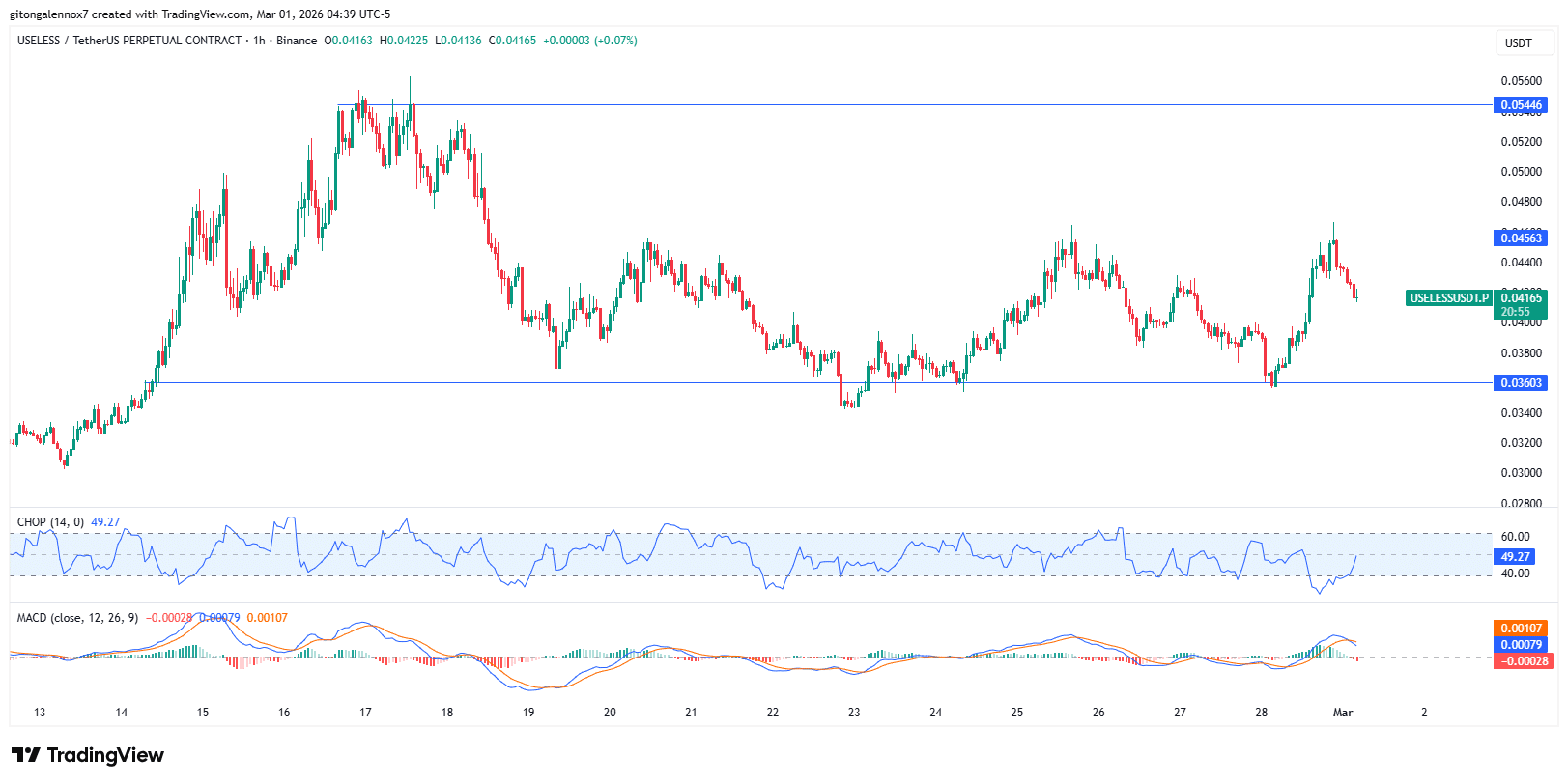
USELESS jumps 17% as whales load up – Why THIS support is KEY!
AMBCrypto·2026/03/02 00:03
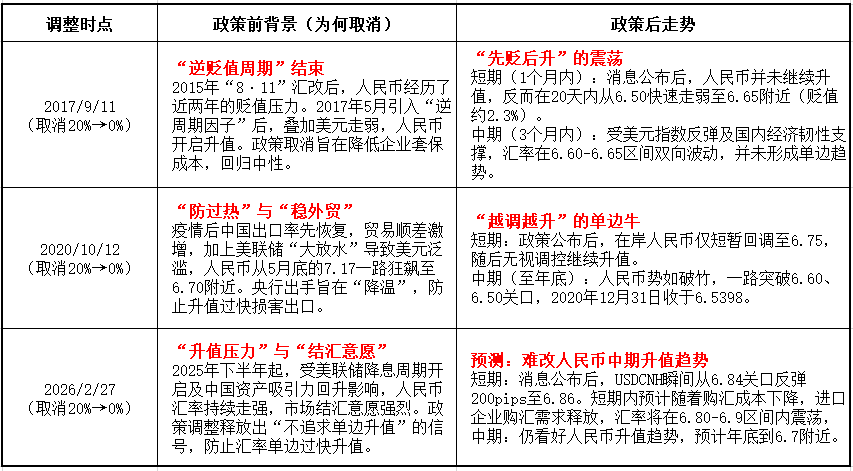
Market Impact of Cancelling Forward Foreign Exchange Risk Reserve Ratio
早安汇市·2026/03/02 00:03

Explosions Echo Throughout the City! Witnessing History on Monday
金融界·2026/03/01 23:53
US Dollar Index attracts some buyers to near 98.00 as Middle East conflict fuels demand
101 finance·2026/03/01 23:45
WTI soars over 8% after Iran conflict chokes the Strait of Hormuz
101 finance·2026/03/01 23:45
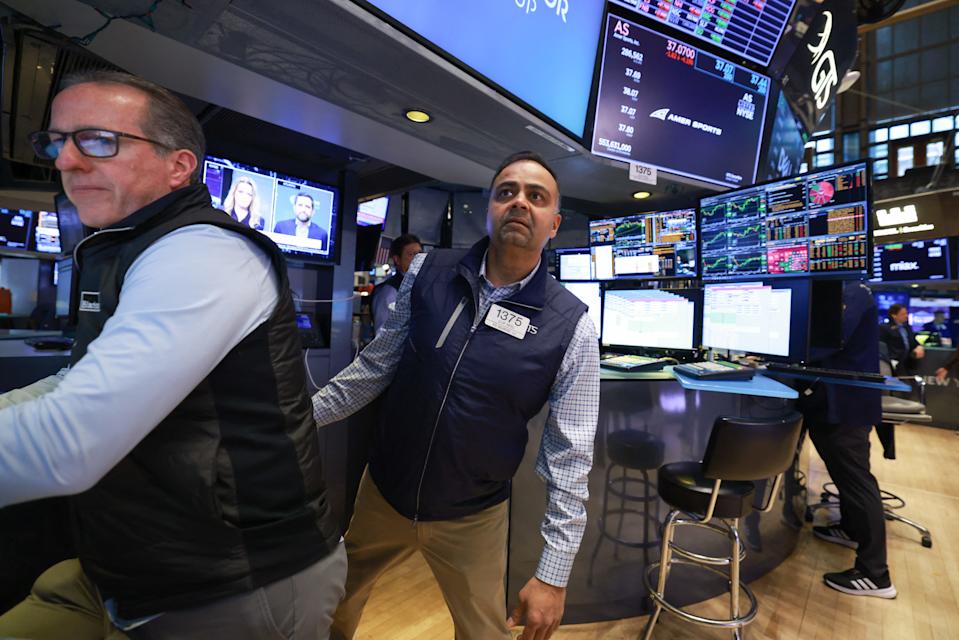
Oil surges, equities tumble as markets open following Iran attacks
101 finance·2026/03/01 23:42
BP Increases Shale Production as It Shifts Focus to Worldwide Upstream Expansion
101 finance·2026/03/01 23:15
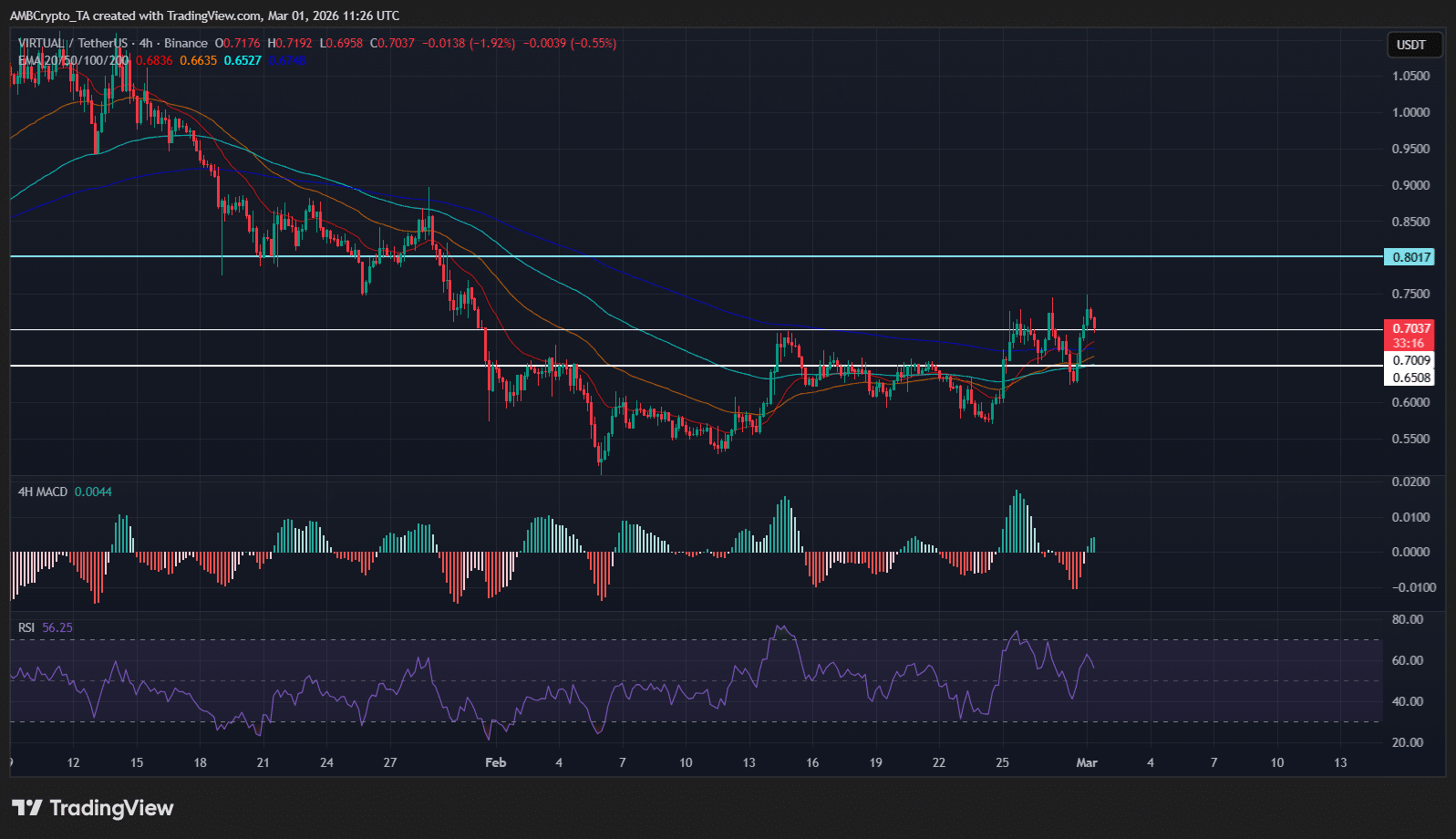
VIRTUAL rallies 9% toward key resistance – Is $0.85 the next stop?
AMBCrypto·2026/03/01 23:03
Flash
00:11
Wartime Verification: Hyperliquid Becomes the Preferred Hedging Venue in Times of Crisis, with 24/7 Trading as Its Biggest AdvantageBlockBeats News, March 2, as the conflict between the US and Iran escalates and traditional financial markets close for the weekend, the crypto derivatives platform Hyperliquid has become a core venue for investors to hedge commodity risks. According to Bloomberg, around the outbreak of the conflict on February 28, a large number of crypto traders flocked to Hyperliquid to trade perpetual contracts linked to crude oil, gold, and other commodities in response to geopolitical shocks. Since perpetual contracts have no expiration date and support 24/7 continuous trading, they have become the only real-time hedging tool available when traditional markets are closed. Previously, investment executive Avi Felman predicted, "Hyperliquid will become indispensable for fund managers because it never stops trading, 24/7." This prediction has been validated in the current Middle East crisis—when global mainstream commodity and forex markets are closed, the crypto futures market takes on the role of price discovery and risk hedging. Analysts believe that such "wartime liquidity tests" are strengthening the role of the crypto derivatives market within the global macro risk system.
00:08
Wood Mackenzie analyzes OPEC+ production increase decision, warns of risks in the Strait of HormuzEnergy consultancy Wood Mackenzie expert Alan Gelder stated that OPEC+'s decision to agree on a higher-than-expected production increase after the US and Israel attacked Iran is not surprising. He pointed out that there is a high degree of uncertainty in US-Iran tensions, and currently, the "unsanctioned crude oil market supply is tight." However, Gelder warned that if tanker transport cannot resume through the Strait of Hormuz, OPEC+'s decision to increase production may become ineffective. Although Middle Eastern oil-producing countries have alternative export routes, such as Saudi Arabia's East-West pipeline and Iraq's supply via the Mediterranean, these solutions cannot fully compensate for the losses caused by an export interruption through the Strait of Hormuz.
00:07
Vitalik outlines the Ethereum execution layer roadmap, focusing on major changes to the state tree and virtual machine.ChainCatcher news, Ethereum co-founder Vitalik Buterin published a post on social media outlining the Ethereum execution layer roadmap, focusing on two major changes: the state tree and the virtual machine. Regarding the state tree, Vitalik supports upgrading the current hexadecimal Merkle Patricia tree to a binary tree based on a more efficient hash function through EIP-7864. This change can shorten Merkle branches by four times, reducing client verification data bandwidth costs; at the same time, the hash function can be switched to the Blake3 or Poseidon series, greatly improving proof efficiency. The binary tree design also groups storage slots into "pages," making access to adjacent storage less costly, allowing many DeFi applications to save over 10,000 Gas per transaction. In addition, the binary tree structure is simpler and can reserve metadata bits for future state expiry features. As for the virtual machine, Vitalik proposed that the long-term direction is to replace the EVM, possibly adopting the RISC-V architecture. The new VM needs to meet four goals: higher raw execution efficiency so that most precompiles are no longer necessary; proof efficiency superior to the EVM; support for client-side generation of ZK proofs; and maximum simplification of code implementation. He pointed out that if Ethereum only stays at the "EVM+GPU" level, it is certainly "good enough," but a better VM can make the protocol much stronger. The deployment roadmap is divided into three steps: the new VM is first used to replace precompiles; then users are allowed to deploy contracts based on the new VM; and finally, the EVM is retired, with smart contracts written in the new VM, achieving full backward compatibility.
News