
Why March 7 Is Crucial for Bitcoin and the Broader Crypto Market

Despite optimism sparked over the weekend, Bitcoin and the broader crypto market may still face significant turbulence in the short term.
After a rough month that saw Bitcoin and most crypto assets touch new year-to-date (YTD) lows, renewed crypto reserve optimism sparked by weekend statements from President Donald Trump has sent prices soaring again, quickly reversing the negative sentiment.
Despite this fresh optimism, the crypto market may still face significant hurdles in the short term and Friday, March 7, perhaps, is the most significant date to watch.
For one, on March 7, the U.S. is set to release key employment data for February 2025, which include the non-farm payroll and unemployment rate, and Federal Reserve Chair Jerome Powell is expected to speak. The data releases and Powell’s speech will likely indicate whether or not near-interest rate cuts are on the table.
Per TRADING ECONOMICS data at the time of writing, the U.S. is expected to have added 153,000 jobs in February 2025, up from 143,000 in January 2025. On the other hand, the unemployment rate is expected to remain unchanged at 4.0%.
Still, on March 7, Trump will host the first-ever White House crypto summit with market participants hoping for concrete outcomes.
These events are likely to significantly impact price action, so the crypto market could experience some wild swings.
Other factors that could impact the market this week include the implementation of Trump’s tariffs on Canada and Mexico on March 4.
While all these point to short-term turbulence, analysts remain significantly optimistic in the long term.
In a Monday, March 3 note to investors, Standard Chartered Head of Digital Asset Research Geoffrey Kendrick asserted that the timing of Trump’s crypto reserve statements points to “a Trump put for crypto” similar to a Fed put for stocks, suggesting that the president appears willing to step in to mitigate significant market downturns.
Kendrick argued that this growing market belief could bolster investor confidence, allowing prices to edge upward. He also stated that it could improve the chances of U.S. states going ahead with their Bitcoin and crypto reserve plans.
“We have moved from selling rallies to buying dips. And hence I re-focus on my $500k BTC target,” the analyst surmised.
He had tipped Bitcoin to hit the $500,000 price point before Trump leaves office, bolstered by improved access and reduced volatility.
Ahead of this week’s uncertainties, Bitcoin continues to hold onto the majority of its weekend gains, trading at $92,600 at the time of writing.
Disclaimer: The content of this article solely reflects the author's opinion and does not represent the platform in any capacity. This article is not intended to serve as a reference for making investment decisions.
You may also like
Here's Walmart's hidden $1 trillion strategy
DoorDash Rebound Signal: Analysts See Double-Digit Upside From Here

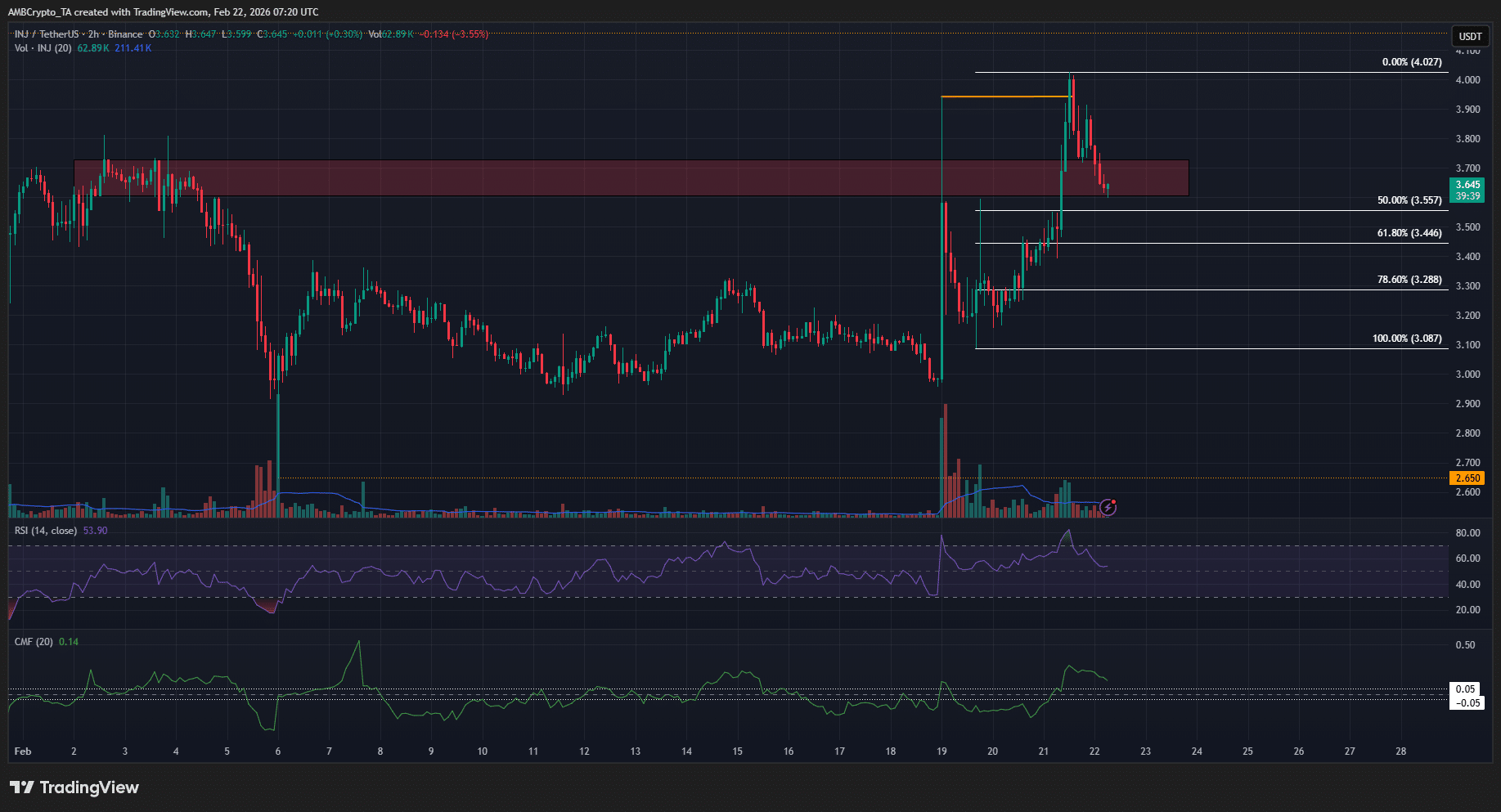
Can Injective sustain its 35% rally? INJ’s move to $6.09 depends on…
DOJ Investigates Netflix’s Influence on Filmmakers During Warner Merger Review

Trending news
MoreCrypto prices
More





