
LYS Labs: Powering Solana’s Financial Market Infrastructure
- LYS Labs, a Solana-focused Web3 data infrastructure firm, announced strategic advancements including its low-latency LYS Flash trading product. - The company partnered with QuickNode to deliver 14ms Solana data and integrated Chainlink for tamper-proof pricing, enhancing DeFi execution speed. - LYS Flash enables sub-36ms transaction execution by abstracting DEX complexities, addressing MEV risks and optimizing priority fees for high-frequency trading. - With 620+ active users and 16B+ processed events, L

LYS Labs, a Web3 data infrastructure provider specializing in machine finance on
A major aspect of LYS Labs’ growth is its alliance with QuickNode, a top-tier Web3 infrastructure platform. This partnership allows LYS Labs to provide structured Solana data with latency as low as 14 milliseconds, granting nearly instant access to wallet activity, token analytics, and liquidity events from leading decentralized exchanges (DEXes) such as Meteora, Raydium, and Pump. By tackling the issues of fragmented DEX contract logic and varying fee models, this integration simplifies processes for both traders and developers. The minimized latency closes the gap between data interpretation and actionable trading, which is crucial for high-frequency trading scenarios.
LYS Labs has also become part of the
The forthcoming LYS Flash product is poised to transform Solana trading by streamlining transaction execution. Built to hide the intricacies of decentralized exchange protocols, LYS Flash allows machines to move from signal detection to settlement in less than 36 milliseconds. It manages priority fees, MEV protection, and prevents suboptimal fills—key features for rapid trading strategies. The product’s introduction comes amid strong demand for organized blockchain data, as shown by LYS Labs’ early momentum: more than 620 active users, 16 billion events processed, and over 14 terabytes of data transferred in its initial month.
Developer involvement has been central to LYS Labs’ progress. The debut of the LYS Developer Portal and Builders Program has drawn hundreds of developers, offering them APIs, structured data resources, and community backing. Co-founder Marian Oancea, an expert in blockchain infrastructure, stressed the importance of converting raw Solana data into insights ready for AI applications. He shared that the company’s goal is to serve as the “operating system for internet capital markets,” empowering traders, protocols, and autonomous agents to act at blockchain speed.
LYS Labs’ seed funding round, which attracted investment from Alchemy Ventures, Auros Global, and Frachtis, has accelerated its growth. The company’s emphasis on low-latency data and execution meets the rising need for real-time intelligence in decentralized finance (DeFi). As Solana continues to draw institutional attention—supported by potential ETF launches and upgrades like Alpenglow—LYS Labs’ infrastructure is set to become a core component for the future of programmable finance.
Disclaimer: The content of this article solely reflects the author's opinion and does not represent the platform in any capacity. This article is not intended to serve as a reference for making investment decisions.
You may also like
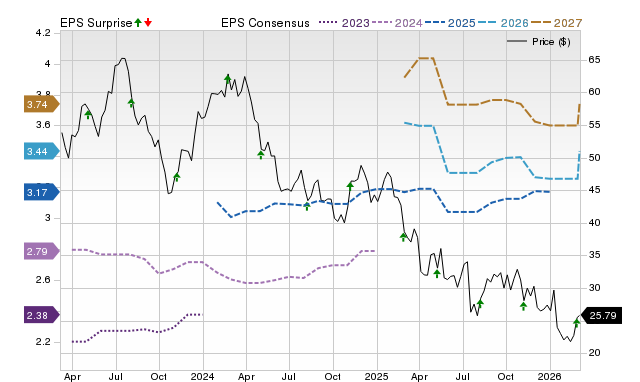
Wall Street Analysts Think Enovis (ENOV) Could Surge 76.62%: Read This Before Placing a Bet
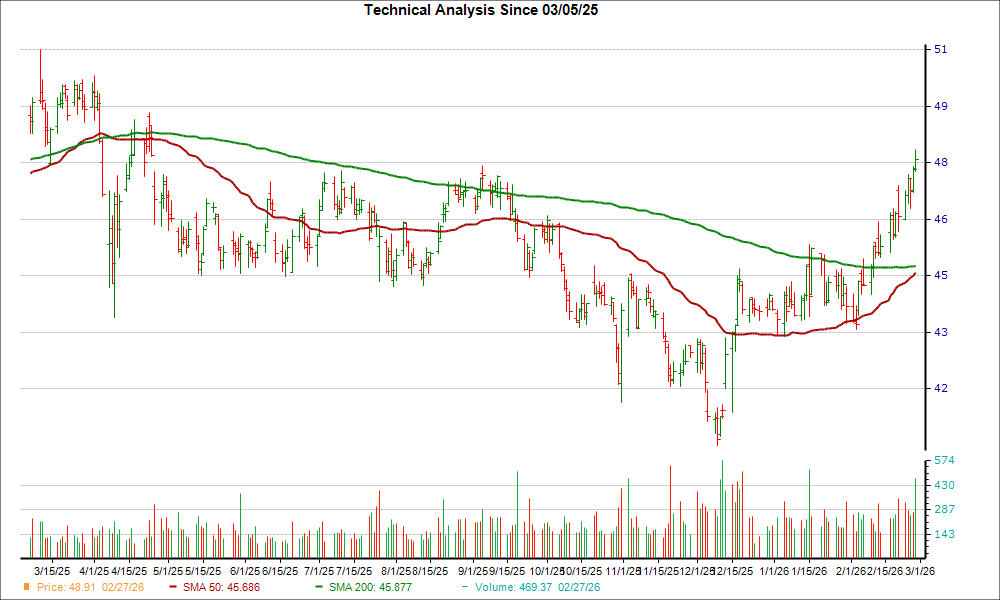
Gaming and Leisure Properties (GLPI) Just Flashed Golden Cross Signal: Do You Buy?
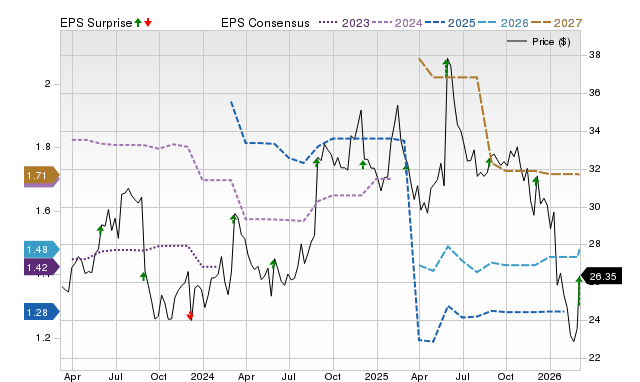
Wall Street Analysts Believe Box (BOX) Could Rally 29.03%: Here's is How to Trade
Trending news
MoreCrypto prices
More





