
Bitcoin’s Battle Over Data: Balancing Liberty and Spam Prevention Amid Fork Concerns
- Luke Dashjr denies planning a hard fork to address illegal content storage on Bitcoin blockchain, calling claims "fake news." - Controversy centers on Bitcoin Core v30 update's relaxed OP_RETURN data rules, with Knots project opposing potential spam risks. - Critics argue v30 weakens Bitcoin's censorship resistance, while Dashjr warns of declining node adoption threatening decentralization. - Community splits between anti-spam advocates (Knots 17% nodes) and Core supporters, with governance debates shapi
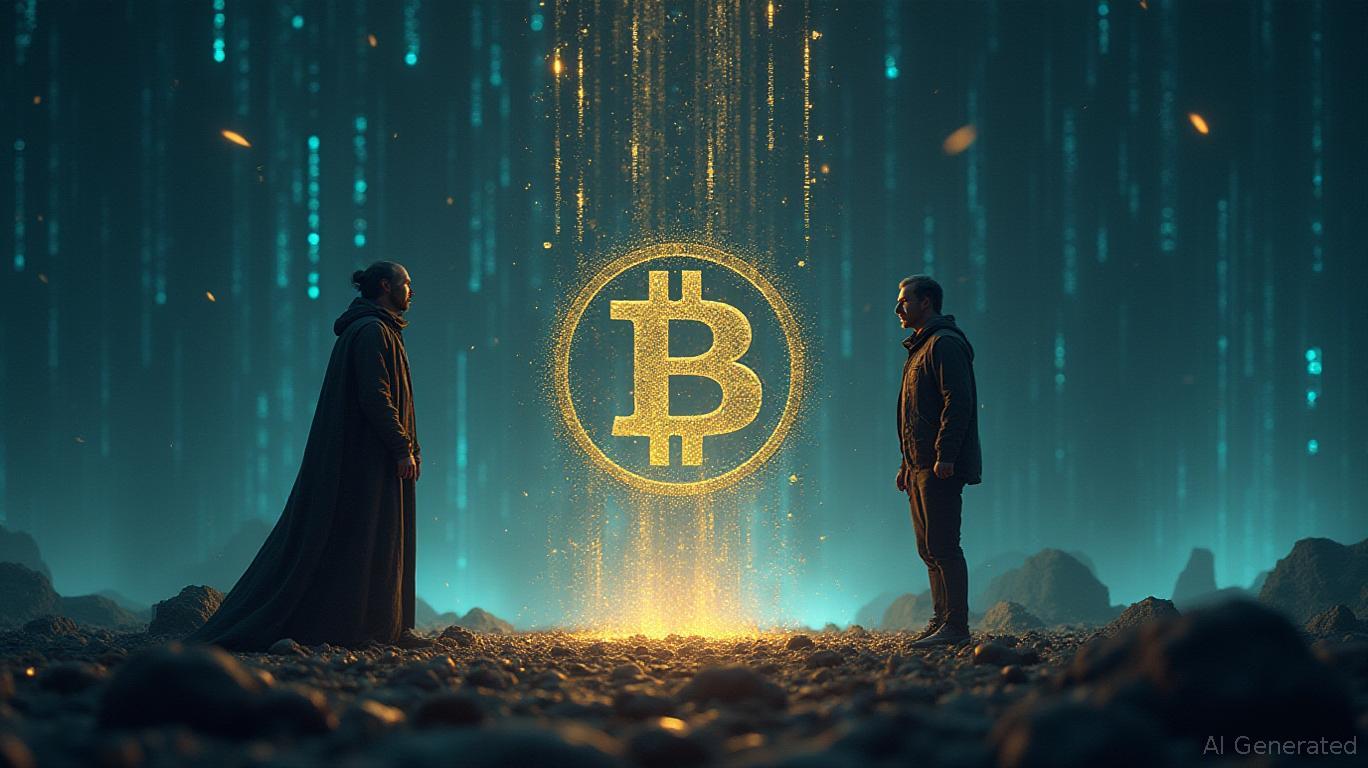
Luke Dashjr, a well-known
The ongoing dispute highlights a deep-rooted philosophical split between the Bitcoin Core team and Dashjr’s Knots project. Bitcoin Core, which serves as the main reference client, has traditionally allowed non-financial data on the blockchain, whereas Knots enforces tighter restrictions, blocking transactions that include content like Ordinals inscriptions and Runes tokens. Supporters of Dashjr and Knots argue that loosening OP_RETURN data limits in v30 could lead to more spam and threaten Bitcoin’s role as sound money. “The only ones proposing hardforks are Core30 apologists,” Dashjr remarked, positioning his opposition to v30 as a stand for Bitcoin’s foundational values BTC News: Hard Fork Chatter Disputed - CoinDesk [ 2 ].
Adam Back, a leading Bitcoin developer and outspoken opponent of the supposed hard fork plan, pointed out that Dashjr’s mining pool, OCEAN, had allegedly contacted other pools to promote lawful moderation of blockchain data. However, Dashjr disputed Back’s interpretation, accusing him of taking the messages out of context. TheRage’s article, which included screenshots of the leaked chats, was criticized for lacking context and focusing on hypothetical discussions rather than actual plans. Dashjr reiterated that the conversations were speculative and did not amount to any commitment to a hard fork Did Luke Dashjr really plan a Bitcoin hard fork? [ 3 ].
This issue has sparked strong opinions within the Bitcoin community. Udi Wertheimer, co-founder of the Ordinals project Taproot Wizards, dismissed the article as a “hit piece” and defended Dashjr against accusations of supporting censorship. Wertheimer claimed the leaked chats only discussed a theoretical use of zero-knowledge proofs to filter spam, without changing the blockchain’s immutability—a suggestion he called a “nothing burger” with no practical path forward Luke Dashjr’s Hardfork Proposal to “Save Bitcoin” Sparks Debate [ 4 ]. On the other hand, critics of Dashjr’s approach warn that any hard fork giving a multisig committee the power to retroactively edit the blockchain could undermine Bitcoin’s resistance to censorship and open the door to regulatory interference Bitcoin Core vs Knots: Debate Intensifies Over Network Direction [ 5 ].
As the discussion continues, the distribution of nodes on the Bitcoin network has shifted, with Knots nodes now making up about 17% of the total. This increase signals rising backing for Dashjr’s anti-spam measures but also raises fears of possible network division. Dashjr has pointed out the dangers of falling full node participation, warning that Bitcoin’s future relies on at least 85% of economic activity being processed by nodes instead of centralized platforms The battle between Bitcoin Core vs Knots is getting … [ 6 ]. The results of the v30 upgrade and the larger governance debate may determine Bitcoin’s future direction, weighing new data capabilities against the need to maintain its decentralized and open nature.
Disclaimer: The content of this article solely reflects the author's opinion and does not represent the platform in any capacity. This article is not intended to serve as a reference for making investment decisions.
You may also like
Shiba Inu Outlook: Experts Eye 400% Potential Rally
5 Best Crypto to Buy Now for Massive Gains in 2026? The Clock Is Ticking on These Picks

Bitcoin remains in bearish setup after range-high rejection

Crypto sees scrutiny after DOJ $328M Ponzi charges
Trending news
MoreCrypto prices
More





