
Ripple finally finds DeFi traction as XRP staking vault tops $30M

XRP is entering a new development phase as its ecosystem embraces DeFi products and strategically moves into real-world asset (RWA) tokenization.
These steps aim to give the long-standing digital asset practical roles beyond cross-border payments, a shift that could determine its future relevance in global finance.
XRP DeFi expansion
The introduction of mXRP, a liquid staking token built on XRP Ledger’s Ethereum-compatible sidechain, has triggered strong demand among holders.
By staking XRP through the Midas platform, investors receive mXRP in return. This token can circulate across DeFi protocols and potentially deliver up to 8% annual yields.
The appetite for this product was evident almost immediately, as the initial 6.5 million XRP vault was filled in hours. This led to a subsequent increase to 10 million tokens.
By Oct. 2, Axelar, the blockchain infrastructure firm supporting the initiative, reported that the vault tied to mXRP had already grown to more than $30 million.
Due to this reported strong demand, the team revealed that the vault has been further expanded to 20 million tokens. At XRP’s current market value of over $3, this would amount to more than $60 million.
That enthusiasm reflects a broader desire for fresh utility within the XRP ecosystem. Despite being one of the crypto industry’s oldest assets, XRP has historically struggled to compete with Ethereum and other chains in DeFi.
However, by offering a liquid staking token, the network steps toward closing that gap, enabling holders to put idle capital to work and increasing XRP’s relevance in decentralized markets.
XRPL RWA tokenization
Alongside DeFi innovation, developers are equipping the XRP Ledger (XRPL) with additional tools tailored for regulated institutional activity.
The most notable is the Multi-Purpose Token (MPT) Standard, designed to streamline tokenization of real-world assets while embedding compliance safeguards directly at the protocol level. XRPL ranks among the top 10 blockchain networks for RWA activities, according to RWA.xyz data.
Martins Hiesboeck, head of research at Uphold, pointed out that the MPT represents a “strategic leap into institutional finance.”
The token standard includes built-in mechanisms for asset freezing, fund clawbacks, and identity-based access controls. These features allow issuers to comply with sanctions, mitigate fraud, and restrict transfers to verified holders without relying on bespoke smart contracts.
These standards allow tokens to be created and managed quickly, lowering operational risk and accelerating time to market.
Moreover, the design leverages XRPL’s key strengths: three-to-five-second finality, low fixed transaction fees, and a highly secure, battle-tested network.
Hiesboeck further explained that each operation, issuance, transfer, or management requires a small fee in XRP, which is then burned, gradually reducing the circulating supply. In addition, issuers must lock a reserve of XRP for every new ledger object, further tightening token availability.
Considering this, he concluded:
“This utility model is a key strategic pivot, shifting the XRP valuation narrative away from pure speculation and toward a mathematically quantifiable model based on verifiable, high-throughput global financial activity. The MPT standard strategically positions the XRPL as the leading secure and compliant institutional blockchain for the future of tokenized finance.”
The post Ripple finally finds DeFi traction as XRP staking vault tops $30M appeared first on CryptoSlate.
Disclaimer: The content of this article solely reflects the author's opinion and does not represent the platform in any capacity. This article is not intended to serve as a reference for making investment decisions.
You may also like
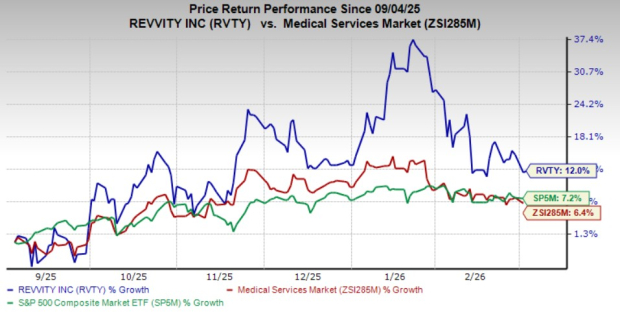
Here's Why Keeping Revvity Stock in Your Portfolio Makes Sense at This Time
Airline ETFs Draw Attention as US-Iran Tensions Escalate
Iran’s $7.8B Crypto Market: Domestic Tool or IRGC Sanctions Shield?
Trending news
MoreCrypto prices
More





