
SEC filing reveals ETH and SOL ETFs may include staking rewards

Two of the largest digital asset managers, Bitwise and 21Shares, have made a notable update to their Ethereum and Solana ETF filings that could signal a shift in how crypto exchange-traded products operate in the United States.
According to amended S-1 statements filed with the U.S. Securities and Exchange Commission (SEC), both issuers now reference the possibility of staking Ethereum and Solana holdings within their funds.
If approved, this change would allow these ETFs to earn staking rewards, the income generated by helping validate transactions on proof-of-stake blockchains. Until now, U.S.-listed crypto ETFs have been limited to holding underlying assets passively, without the ability to participate in network consensus.
The amended filings, submitted this week, come after several months of quiet lobbying from ETF issuers seeking regulatory clarity around staking income. While the inclusion of this language does not mean the SEC has approved the feature, it indicates that the agency is at least considering the idea.
Analysts view this as an early sign that the SEC’s stance on staking may be softening, especially given the growing pressure to allow ETFs to compete with on-chain yield opportunities available to retail and institutional investors abroad.
What staking inside an ETF could mean for ETH and SOL yields
For Ethereum, current staking rewards range between 3% and 4%, while Solana’s rewards typically fall between 7% and 8% annually. ETF management fees for these funds are generally around 0.20% to 0.30%, meaning that if staking proceeds are distributed to holders, the yield could cover or even exceed the fund’s fees.
Such a change could transform how ETF issuers compete in the market. Instead of focusing solely on management costs and liquidity, future funds may also compete on net yield, creating a new performance metric for investors comparing crypto ETFs.
While the SEC has not yet commented on these amendments, the filings suggest that staking could soon move from the on-chain economy into traditional financial products, bridging a gap between DeFi incentives and regulated investment vehicles.
The post SEC filing reveals ETH and SOL ETFs may include staking rewards appeared first on CryptoSlate.
Disclaimer: The content of this article solely reflects the author's opinion and does not represent the platform in any capacity. This article is not intended to serve as a reference for making investment decisions.
You may also like
Custodia Bank Fights Back: Urgent Rehearing Request on Fed Master Account Denial
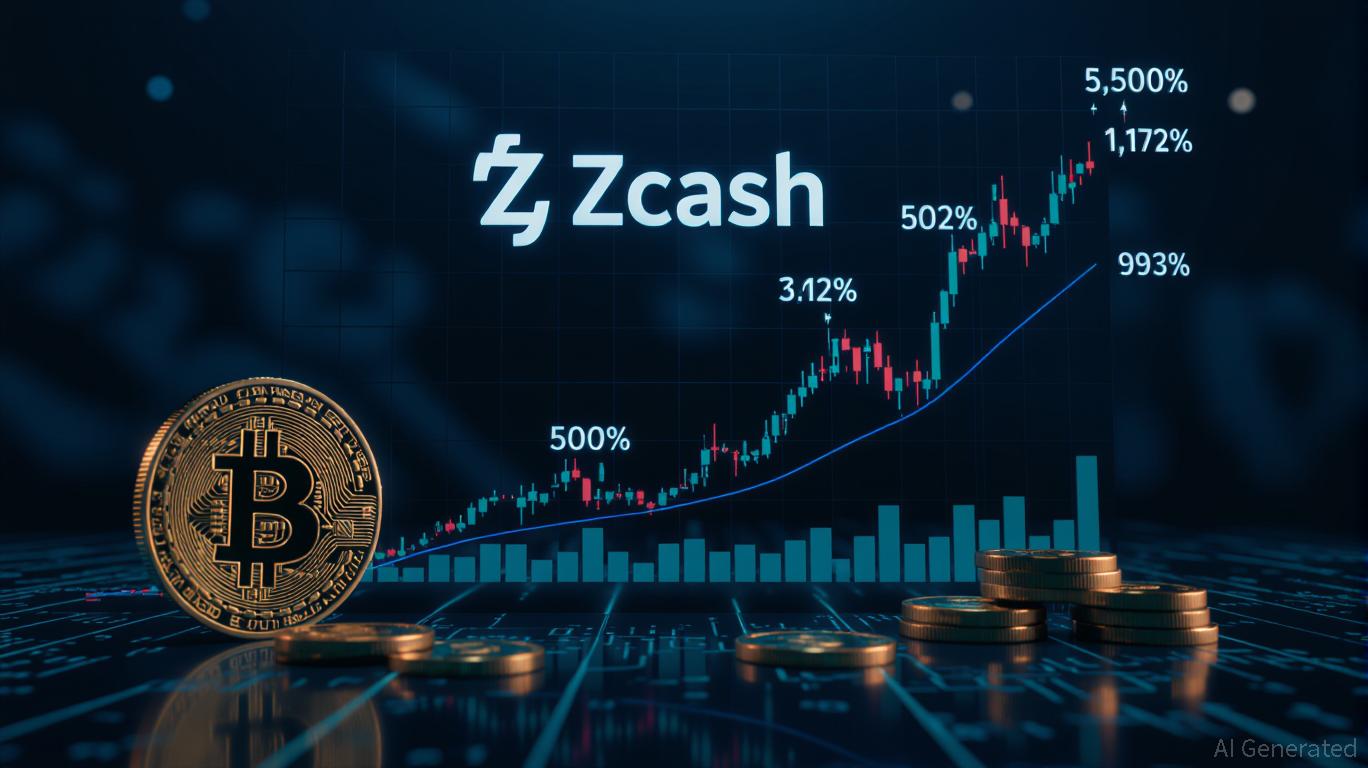
Zcash Halving 2025 and What It Means for the Future of Privacy-Focused Cryptocurrency
- Zcash's 2025 halving reduced block rewards by 50% and locked 12% of new supply via ZIP 1015, enhancing its deflationary model. - The event triggered a 942% price surge to $526.48 but saw rapid 4.2% declines as traders cashed profits amid market volatility. - Institutional adoption grew with $137M from Grayscale, yet regulatory scrutiny and liquidity risks persist for privacy-focused assets. - Upcoming 2028 halving aims to match Bitcoin's 1% inflation rate, but success depends on balancing privacy with co
The Increasing Significance of ICP Network Expansion within Web3 Infrastructure: Targeted Investments in Scalable and Decentralized Networking Solutions
- ICP Network's 2025 Fission/Stellarator upgrades enable 11,500 TPS and Bitcoin/Ethereum interoperability, attracting $1.14B in TVL and partnerships with Microsoft/Google. - ICP's Internet Identity system and UN's "Universal Trusted Credentials" initiative demonstrate decentralized identity's role in digitizing SME finance and cross-border commerce. - Tokenized RWAs on ICP reached $33B in 2025, with Hamilton Lane's fund and Protium upgrade addressing institutional needs for regulatory compliance and blockc

Merriam-Webster selects ‘slop’ as its word of the year
Trending news
MoreCrypto prices
More





