
Bitcoin Leverage Liquidations Spike: A Warning Story About Risk in Unstable Crypto Markets
- Bitcoin's Nov 14, 2025 price crash triggered $1.1B in leverage liquidations, echoing 2022's FTX collapse as over-leveraged positions and DATCos' forced selling exacerbated market stress. - Technical indicators showed RSI hitting 2022 lows and Bitcoin breaking below 3-year volatility bands, signaling extreme bearish momentum and institutional risk mitigation over speculation. - DATCos' 40% NAV declines forced $4.3-6.4B in crypto sales to meet debt covenants, creating self-reinforcing price drops as thin l
Technical Signals Point to Intense Market Strain
Bitcoin’s technical metrics reveal a bleak outlook for sentiment. The Relative Strength Index (RSI) for
DATCos and the Underlying Surge of Forced Liquidations
Another destabilizing element, though less frequently discussed, is the influence of Digital Asset Treasury Companies (DATCos), which have emerged as a significant driver of forced selling. These organizations, which accumulated billions in crypto as corporate reserves, now find themselves in the red after the recent price collapse. Their funding—often based on convertible notes and private investment in public equity (PIPE) deals—creates a scenario where falling asset values force mandatory sales to satisfy debt agreements or correct market-to-net-asset-value (mNAV) discrepancies
Take, for instance, DATCos focused on Solana, which have experienced a 40% reduction in net asset value,
Dwindling Liquidity and Retail Investor Reactions
The ongoing liquidity crunch is making these risks worse. The depth of Bitcoin’s order book at the 1% price range has
Key Takeaways for Investors
Given these conditions, investors must rethink their risk management approaches. The recent wave of liquidations—especially the $973 million in closed long positions—
For institutions, the selling pressure from DATCos emphasizes the need to stress-test portfolios for forced liquidation scenarios. Diversifying funding sources and limiting exposure to volatile crypto assets can help reduce the risk of being swept up in the next round of forced selling.
Conclusion: Exercising Prudence in a Volatile Market
The recent spike in Bitcoin liquidations is not an isolated occurrence, but rather a reflection of deeper systemic weaknesses. From retail traders taking on too much leverage to DATCos lacking sufficient capital, the market is precariously close to a self-reinforcing crisis. With broader economic uncertainty—compounded by the U.S. government shutdown and evolving Federal Reserve policies—cautious positioning is more crucial than ever. Those who focus on managing risk rather than chasing quick profits may be best positioned to weather this period of instability.
Disclaimer: The content of this article solely reflects the author's opinion and does not represent the platform in any capacity. This article is not intended to serve as a reference for making investment decisions.
You may also like
Zacks Investment Ideas feature highlights: Garmin and Apple
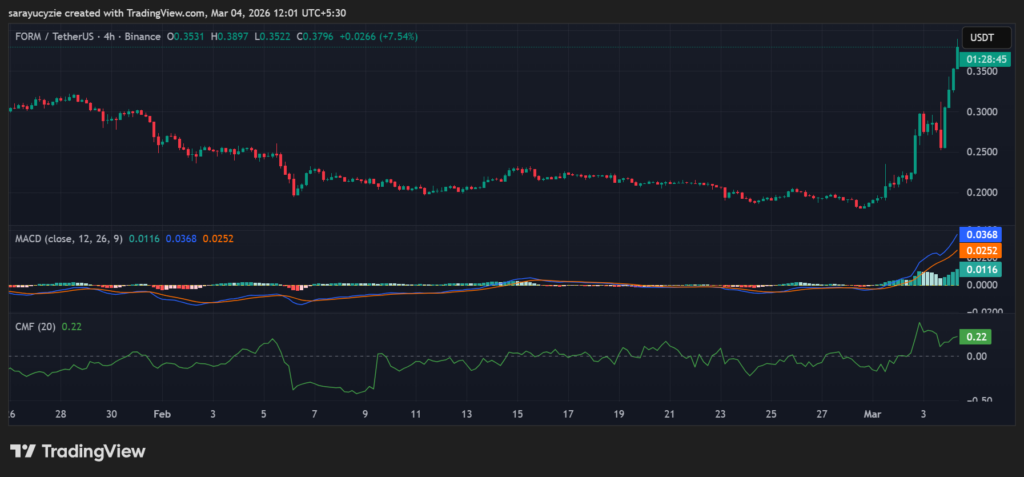
Four (FORM) Explodes 26%: Sustainable Trend or Quick Pop? post-158690 post-158690 post-158690
XRP Range Trading Continues as Analysts Eye 25% Bounce From Key Support
XRP Could Break Below $1 or Rise Above ATH Depending on How It Reacts to This Key Level

Trending news
MoreCrypto prices
More





