
What Insights Does History Offer Regarding Tariff Disruptions?

Understanding the Impact of a Major Tariff Hike
In 2025, the United States experienced a historic 15% jump in its average tariff rate—the most significant increase in recent times. Evaluating how such a dramatic and abrupt tariff change, often called a tariff shock, might influence unemployment and inflation is essential for shaping monetary policy decisions.
Typically, if a tariff shock results in higher inflation, adopting a stricter monetary policy could help control rising prices, assuming other conditions remain unchanged. On the other hand, if the tariff shock does not substantially affect inflation but causes unemployment to rise, a more accommodative monetary policy might be warranted.
Despite these considerations, experts remain divided on the broader economic consequences of tariff shocks.
Disclaimer: The content of this article solely reflects the author's opinion and does not represent the platform in any capacity. This article is not intended to serve as a reference for making investment decisions.
You may also like
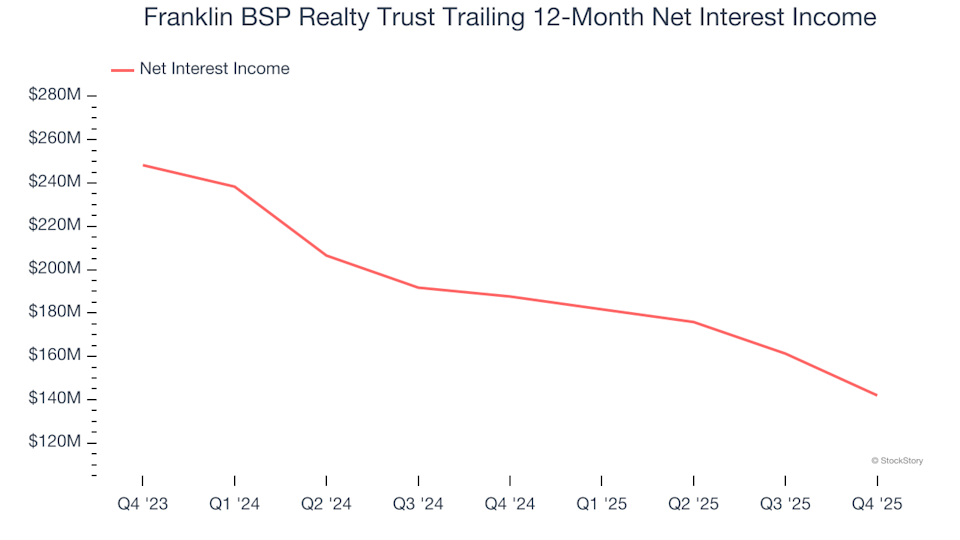
3 Reasons Why FBRT Carries Risk and One Alternative Stock Worth Considering
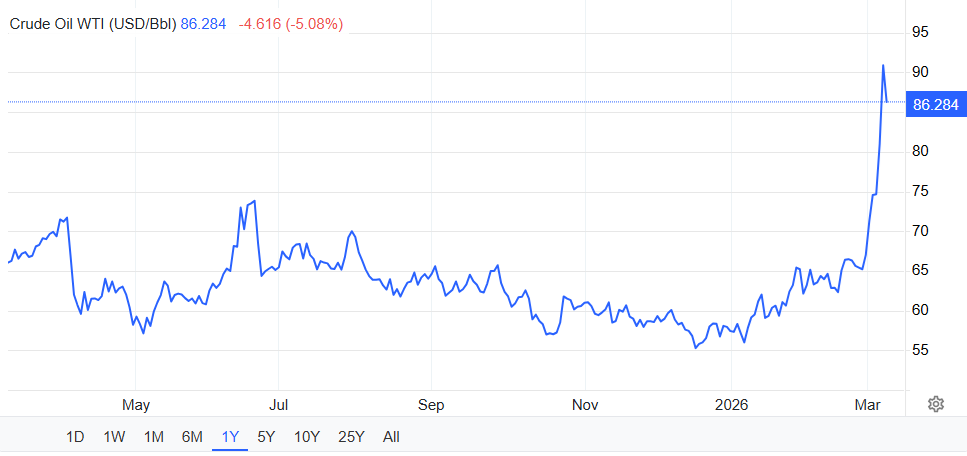
Oil is now the hottest topic on Crypto Twitter
Freightcar America: Fourth Quarter Earnings Overview
What is the Strategic Petroleum Reserve, and is it effective in reducing gasoline prices?
Trending news
MoreCrypto prices
More





