
Trump Broadens US Withdrawal From Climate Efforts by Leaving UN Organizations

US Announces Withdrawal from Key Global Climate Organizations
Photo Credit: Samuel Corum/Sipa/Bloomberg
The United States, under President Donald Trump, has taken further steps away from international climate collaboration by declaring its intention to leave several major global organizations, including leading United Nations and scientific groups dedicated to climate change.
Top Stories from Bloomberg
The US plans to exit 66 organizations, including the Intergovernmental Panel on Climate Change (IPCC) and the UN Framework Convention on Climate Change (UNFCCC). Experts believe these departures will reduce both the US’s ability to address greenhouse gas emissions and the global impact of these institutions.
These decisions align with Trump’s broader efforts to roll back environmental regulations and support fossil fuel industries. In January 2025, the administration began the formal process to leave the Paris Agreement, the 2015 international treaty aimed at curbing global warming—a move reminiscent of Trump’s first term.
Secretary of State Marco Rubio explained that the administration is withdrawing from organizations it views as “redundant, mismanaged, unnecessary, wasteful, or poorly governed,” and that promote agendas at odds with US interests.
Leaving the UNFCCC would officially remove the US from the UN body responsible for setting ambitious emission reduction targets and organizing the annual COP climate summits, which focus on issues like decarbonization and climate finance. US representatives were notably absent from the latest negotiations in Brazil.
“This is a boon for China and a free pass for countries and polluters seeking to dodge accountability,” said John Kerry, former US Secretary of State and climate envoy under President Joe Biden. “It’s another self-inflicted setback for the US on the world stage.”
Should the US leave the UNFCCC, any future administration would face greater obstacles in rejoining. President Biden quickly reentered the Paris Agreement after taking office in 2021, but returning to the UNFCCC could prove more difficult. Some climate skeptics argue that rejoining would require a new Senate vote with a two-thirds majority, while some legal scholars believe a future president could rejoin without Senate approval.
Impact on Scientific Leadership and Climate Policy
Delta Merner, associate director for the climate accountability campaign at the Union of Concerned Scientists, noted that by leaving the IPCC, the US would lose its ability to help shape the scientific reports that inform global climate policy, though individual American scientists might still participate.
Founded in 1998 by the UN and the World Meteorological Organization, the IPCC is widely recognized as the leading authority on human-driven climate change and has produced six major assessments that guide climate policy worldwide. The organization has long depended on US funding and expertise.
US participation in the next major IPCC report, expected in 2029, was already uncertain due to significant layoffs and program closures at key federal weather and climate agencies. Some American experts were barred from attending a preparatory meeting in China last year.
“Withdrawing doesn’t erase the science,” Merner emphasized. “It simply leaves Americans, policymakers, and businesses without reliable climate information at a time when it’s needed most.”
More Top Reads from Bloomberg Businessweek
©2026 Bloomberg L.P.
Disclaimer: The content of this article solely reflects the author's opinion and does not represent the platform in any capacity. This article is not intended to serve as a reference for making investment decisions.
You may also like
Letter to Shareholders from CEO Dr. Ryan Saadi

Solana Faces Stiff Resistance as ETF Inflows Defy Price Declines
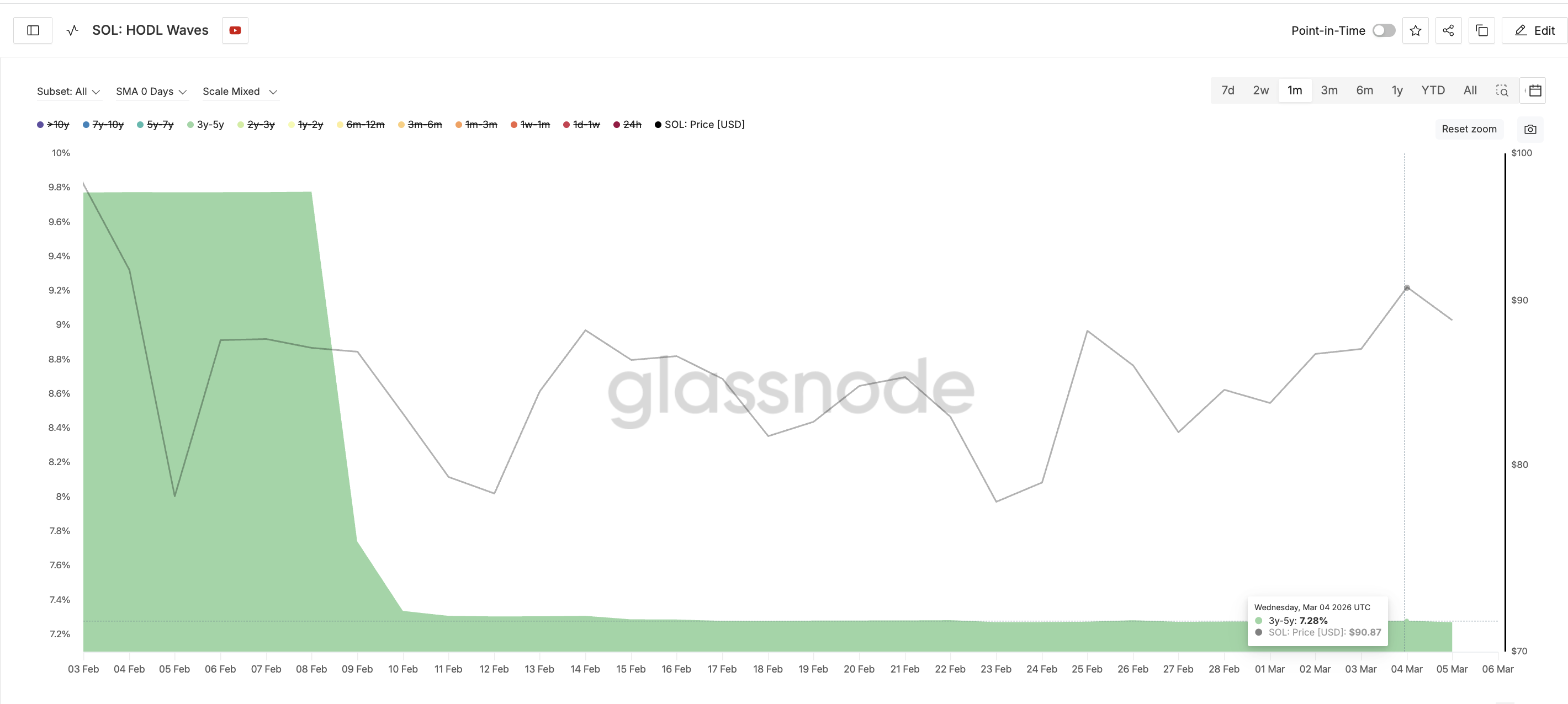
Solana’s Rally to $94 Failed to Convince Its Oldest Holders — Why a Pullback May Follow
Crypto Is Frozen. XRP Is Not. The Man Who Built Ripple’s Products Explains Why
Trending news
MoreCrypto prices
More





