
Apple's most expensive AI division is handed over to a man who even scrutinizes the banana budget

Show original
By:爱范儿
Last fall, inside Apple’s iconic spaceship headquarters, Craig Federighi, Senior Vice President of Software Engineering, stood on stage and addressed the software and AI teams. The first part was polite enough—he said he looked forward to deep collaboration between the two teams. But soon after, the silver-haired executive changed his tone: “I like to move fast and feel the wind at my back, but in AI these past few years, I haven’t felt that speed.” The members of the foundational model team sitting below felt a jolt. It sounded like encouragement, but in reality, it was a warning—you’re too slow. 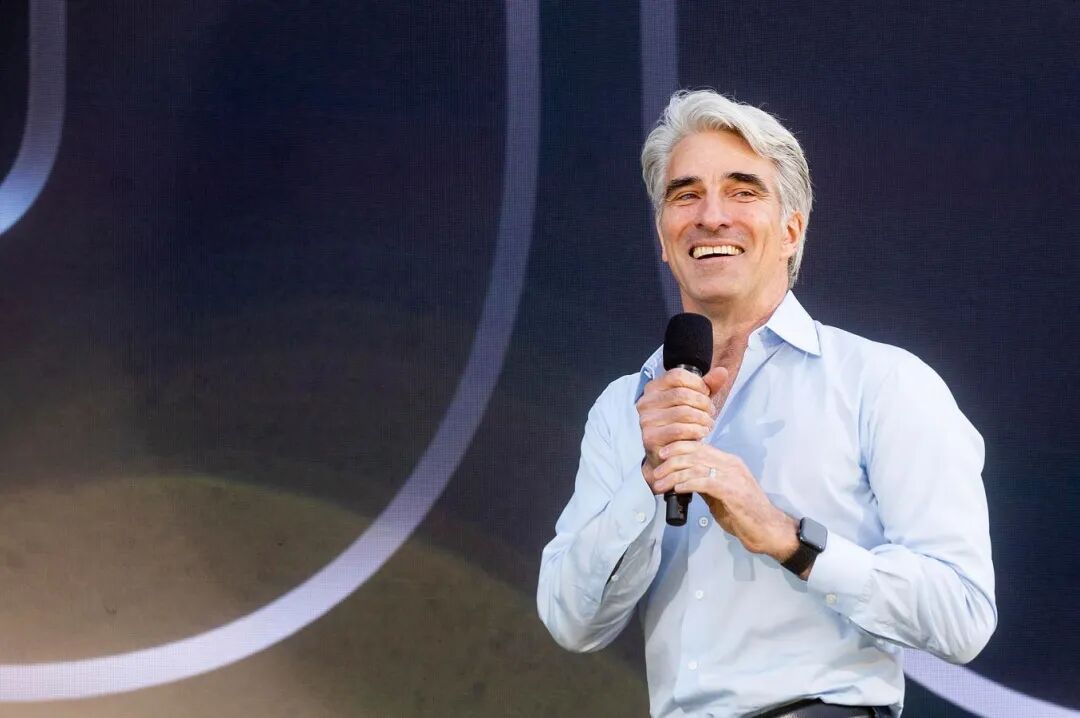 In less than two months, the other shoe dropped. Federighi officially took over Apple’s AI division, and the former head—AI guru John Giannandrea, poached from Google—quietly stepped aside to become an advisor, awaiting retirement this spring. Even more explosive news followed. Not long ago, Apple announced a decision unthinkable just five years ago: handing over Siri’s soul to long-time rival Google’s Gemini model. According to The Information’s latest report, we can finally piece together Apple’s complete AI strategy pivot:
Leadership change: Federighi has formally taken over the AI division. Known for his “frugality” and “product delivery ability,” he replaced former Google executive Giannandrea.
Strategic recalibration: This personnel change directly led to a strategic shift—Apple decided to reach a deal with Google to introduce the Gemini model. This is not just a partnership, but an implicit admission that Apple’s own foundational models are “not up to the task” in the short term.
Hardware gamble: Whether it’s the rumored Ai Pin-like wearable device or the desktop robot codenamed for new hardware, their fate now hinges on whether Federighi can deliver a truly conversational Siri this spring. Original link 🔗
After struggling to adapt in the AI era, Apple is trying to use its strongest product thinking to rein in an out-of-control technological wild horse. The executive who even scrutinizes the banana budget has taken over the most cash-burning department In Silicon Valley, AI is a money-burning game. Zuckerberg is poaching talent, Altman is raising funds, but only Apple, at this moment, chose the “most frugal” executive to take the helm. Federighi has an internal label at Apple: an extreme cost controller (Penny-pincher). According to those who have worked with him, his management style is so meticulous it borders on harsh—even the banana snack budget in the team’s office needs his personal approval; for risky projects with unclear returns, he cuts or pivots without hesitation. Putting such a “penny-pinching” executive in charge of the AI division—the one most in need of high-stakes bets and bold miracles—shows Cook’s careful calculations, but also an underlying conservatism that’s hard to ignore.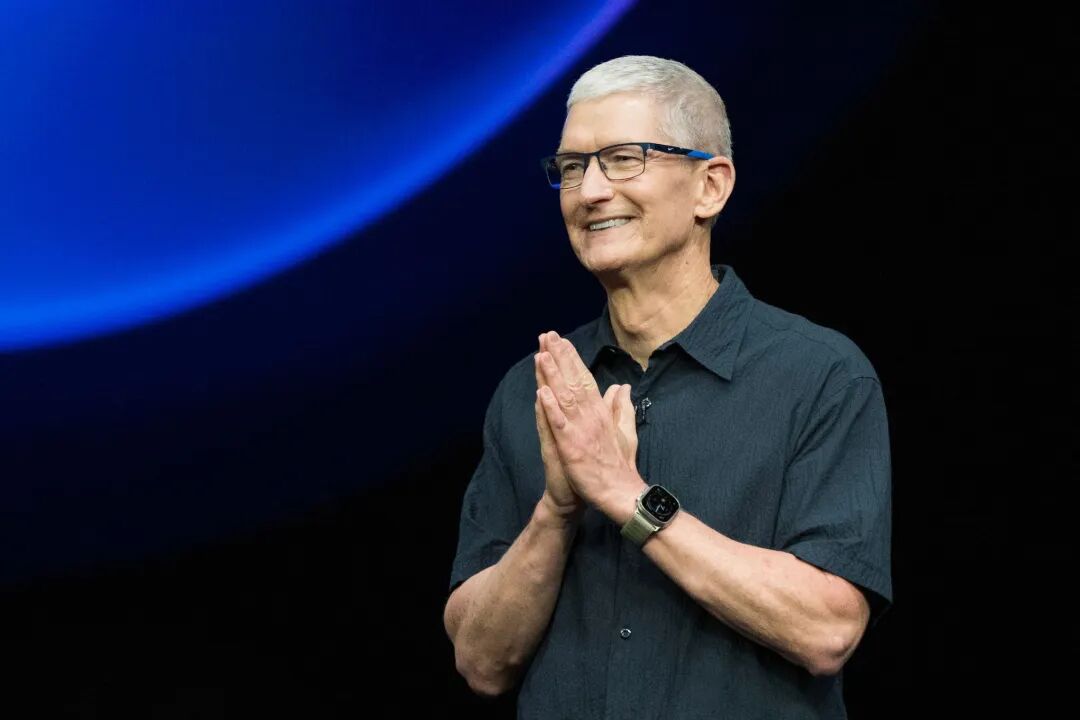 This sends a clear signal: Apple is tired of the endless race for bigger model parameters, tired of burning billions like OpenAI without a clear business model in sight. Cook wants “delivery”—to embed AI into the iPhone as stably and cost-effectively as an iOS component. So, researchers who once dreamed of building the “next GPT-4” at Apple were disappointed. Federighi has a natural aversion to unpredictable algorithms; he prefers “hard-coded,” controllable features. This culture clash directly led to the departure of key figures like former foundational model lead Ruoming Pang, who quickly joined Meta. Borrowed soul: The “no choice” behind teaming up with Google At the same time Federighi took power, Apple made a move that left the original AI team feeling “betrayed”: bringing in external models. According to the report: Federighi pushed for the partnership with Google Gemini because he determined Apple’s in-house models “weren’t ready.” The models that ran decently in the lab simply couldn’t perform on mobile devices.
 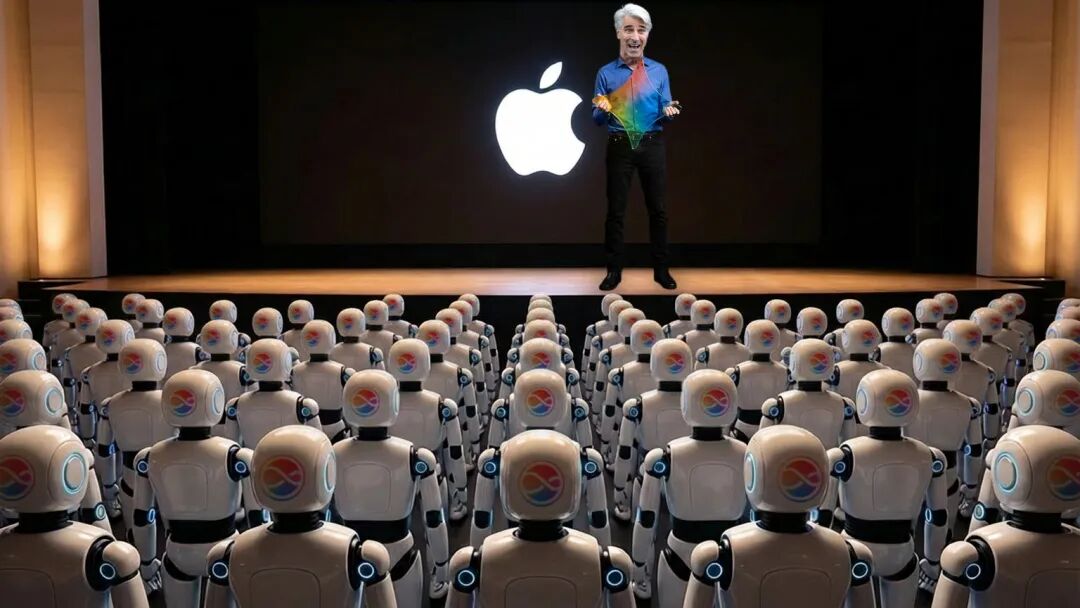 For a company that has always wanted to build even the screws in its own data centers, outsourcing core experiences to its biggest competitor would have been unthinkable in the Jobs era. But this highlights Apple’s current predicament—when faced with pride or survival, Federighi chose survival. If Apple doesn’t leverage Google’s power, the promised “Siri 2.0” slated for later this year may be delayed again. And if Siri doesn’t get upgraded, Apple’s queue of new hardware waiting for release will never be “full blooded.” The hardware future choked by Siri Apple’s core problem in AI investment lies in the disconnect between hardware and software. Apple is developing a wearable device similar to Ai Pin, as well as a desktop robot with a rotating screen. These futuristic products are essentially “physical containers for Siri.” Without robust voice interaction, they’re just expensive electronic junk. The cautionary tale is right in front of them. Humane Ai Pin, founded by former Apple employees, has become the tech world’s laughing stock due to its disastrous interaction experience. Apple clearly doesn’t want to repeat that mistake. According to insiders, the only reason the desktop robot hasn’t been released is that “Siri isn’t ready.”
  This forms a vicious cycle: New hardware needs a smarter Siri -> in-house models can’t deliver -> can only borrow Google’s -> internal morale drops -> development slows even further. This is the deadlock Federighi now faces. This series of moves—leadership change, outsourcing, painting rosy pictures—has also put Apple’s AI-era anxiety on full display. They fear making mistakes, fear privacy scandals, fear disrupting the iPhone ecosystem that rakes in hundreds of billions every year—so they move even more cautiously, step by step.
 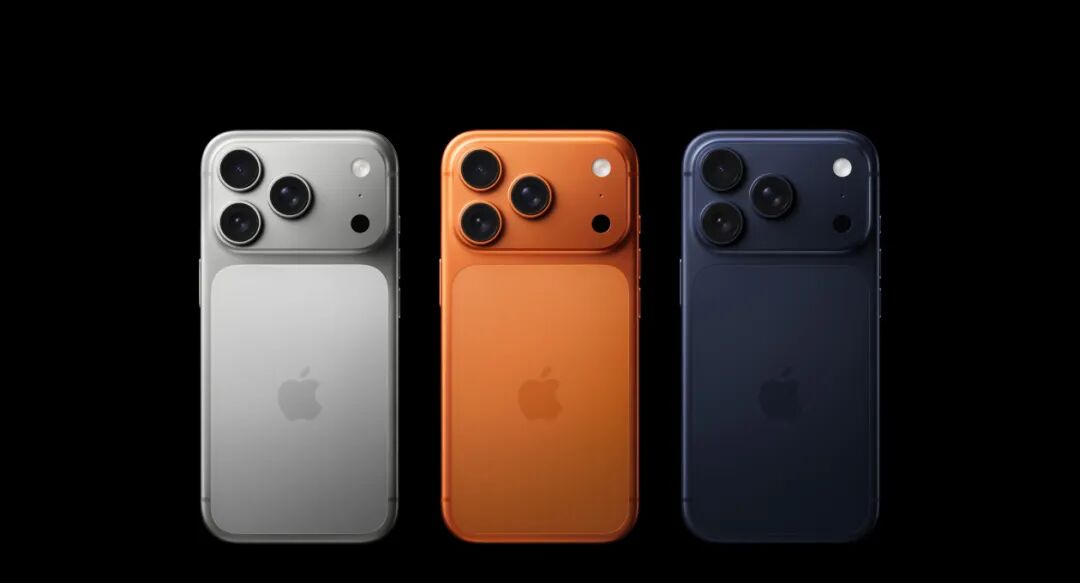 Apple has given up on direct confrontation at the foundational model layer and retreated to its strength: productization, on-device optimization, and cost control. This may be a rational choice aligned with Apple’s DNA, but in the winner-takes-all era of AI, this “wanting it both ways” strategy carries greater uncertainty. Federighi’s rise may ensure Apple AI avoids major mistakes and delivers features on time in the coming years. But as competitors spare no expense to seize the next big gateway, those who play their cards too cautiously in the AI game could be forced out even sooner. Although I worry for Apple, I still hope that in the coming years’ Apple keynotes, we can once again experience the surprise of “One More Thing.”
In less than two months, the other shoe dropped. Federighi officially took over Apple’s AI division, and the former head—AI guru John Giannandrea, poached from Google—quietly stepped aside to become an advisor, awaiting retirement this spring. Even more explosive news followed. Not long ago, Apple announced a decision unthinkable just five years ago: handing over Siri’s soul to long-time rival Google’s Gemini model. According to The Information’s latest report, we can finally piece together Apple’s complete AI strategy pivot: Leadership change: Federighi has formally taken over the AI division. Known for his “frugality” and “product delivery ability,” he replaced former Google executive Giannandrea.
Strategic recalibration: This personnel change directly led to a strategic shift—Apple decided to reach a deal with Google to introduce the Gemini model. This is not just a partnership, but an implicit admission that Apple’s own foundational models are “not up to the task” in the short term.
Hardware gamble: Whether it’s the rumored Ai Pin-like wearable device or the desktop robot codenamed for new hardware, their fate now hinges on whether Federighi can deliver a truly conversational Siri this spring. Original link 🔗
After struggling to adapt in the AI era, Apple is trying to use its strongest product thinking to rein in an out-of-control technological wild horse. The executive who even scrutinizes the banana budget has taken over the most cash-burning department In Silicon Valley, AI is a money-burning game. Zuckerberg is poaching talent, Altman is raising funds, but only Apple, at this moment, chose the “most frugal” executive to take the helm. Federighi has an internal label at Apple: an extreme cost controller (Penny-pincher). According to those who have worked with him, his management style is so meticulous it borders on harsh—even the banana snack budget in the team’s office needs his personal approval; for risky projects with unclear returns, he cuts or pivots without hesitation. Putting such a “penny-pinching” executive in charge of the AI division—the one most in need of high-stakes bets and bold miracles—shows Cook’s careful calculations, but also an underlying conservatism that’s hard to ignore.
This sends a clear signal: Apple is tired of the endless race for bigger model parameters, tired of burning billions like OpenAI without a clear business model in sight. Cook wants “delivery”—to embed AI into the iPhone as stably and cost-effectively as an iOS component. So, researchers who once dreamed of building the “next GPT-4” at Apple were disappointed. Federighi has a natural aversion to unpredictable algorithms; he prefers “hard-coded,” controllable features. This culture clash directly led to the departure of key figures like former foundational model lead Ruoming Pang, who quickly joined Meta. Borrowed soul: The “no choice” behind teaming up with Google At the same time Federighi took power, Apple made a move that left the original AI team feeling “betrayed”: bringing in external models. According to the report: Federighi pushed for the partnership with Google Gemini because he determined Apple’s in-house models “weren’t ready.” The models that ran decently in the lab simply couldn’t perform on mobile devices. For a company that has always wanted to build even the screws in its own data centers, outsourcing core experiences to its biggest competitor would have been unthinkable in the Jobs era. But this highlights Apple’s current predicament—when faced with pride or survival, Federighi chose survival. If Apple doesn’t leverage Google’s power, the promised “Siri 2.0” slated for later this year may be delayed again. And if Siri doesn’t get upgraded, Apple’s queue of new hardware waiting for release will never be “full blooded.” The hardware future choked by Siri Apple’s core problem in AI investment lies in the disconnect between hardware and software. Apple is developing a wearable device similar to Ai Pin, as well as a desktop robot with a rotating screen. These futuristic products are essentially “physical containers for Siri.” Without robust voice interaction, they’re just expensive electronic junk. The cautionary tale is right in front of them. Humane Ai Pin, founded by former Apple employees, has become the tech world’s laughing stock due to its disastrous interaction experience. Apple clearly doesn’t want to repeat that mistake. According to insiders, the only reason the desktop robot hasn’t been released is that “Siri isn’t ready.” This forms a vicious cycle: New hardware needs a smarter Siri -> in-house models can’t deliver -> can only borrow Google’s -> internal morale drops -> development slows even further. This is the deadlock Federighi now faces. This series of moves—leadership change, outsourcing, painting rosy pictures—has also put Apple’s AI-era anxiety on full display. They fear making mistakes, fear privacy scandals, fear disrupting the iPhone ecosystem that rakes in hundreds of billions every year—so they move even more cautiously, step by step. Apple has given up on direct confrontation at the foundational model layer and retreated to its strength: productization, on-device optimization, and cost control. This may be a rational choice aligned with Apple’s DNA, but in the winner-takes-all era of AI, this “wanting it both ways” strategy carries greater uncertainty. Federighi’s rise may ensure Apple AI avoids major mistakes and delivers features on time in the coming years. But as competitors spare no expense to seize the next big gateway, those who play their cards too cautiously in the AI game could be forced out even sooner. Although I worry for Apple, I still hope that in the coming years’ Apple keynotes, we can once again experience the surprise of “One More Thing.” 0
0
Disclaimer: The content of this article solely reflects the author's opinion and does not represent the platform in any capacity. This article is not intended to serve as a reference for making investment decisions.
PoolX: Earn new token airdrops
Lock your assets and earn 10%+ APR
Lock now!
You may also like
Global funds are scrambling for US dollar safe haven!
美投investing•2026/03/04 02:10
Which AI software stock takes center stage today? An analysis from a trend scout
101 finance•2026/03/04 02:06
Upland Software's Earnings: A Classic 'Sell the News' After a Guidance Reset
101 finance•2026/03/04 02:06
Trending news
MoreCrypto prices
More
Bitcoin
BTC
$68,217.55
-0.07%

Ethereum
ETH
$1,979.56
-1.12%

Tether USDt
USDT
$1.0000
+0.01%

BNB
BNB
$632.63
-0.44%

XRP
XRP
$1.36
-1.32%

USDC
USDC
$1
-0.03%

Solana
SOL
$87.34
+2.25%

TRON
TRX
$0.2793
-1.31%

Dogecoin
DOGE
$0.08981
-2.85%

Cardano
ADA
$0.2632
-3.65%
How to buy BTC
Bitget lists BTC – Buy or sell BTC quickly on Bitget!
Trade now
Become a trader now?A welcome pack worth 6200 USDT for new users!
Sign up now