
TEPCO Aims for $20 Billion in Savings as Fukushima Challenges Prompt Strategic Overhaul

TEPCO Launches New Business Strategy Centered on Fukushima Decommissioning
Tokyo Electric Power Company Holdings (TEPCO) has introduced its Fifth Comprehensive Special Business Plan, prioritizing the decommissioning of the Fukushima Daiichi nuclear plant. The company aims to achieve cumulative cost savings of ¥3.1 trillion (approximately $19–20 billion) between fiscal years 2025 and 2034. To strengthen its financial position, TEPCO also plans to sell assets and seek strategic partnerships.
This updated strategy represents a significant departure from previous plans. TEPCO now acknowledges that, under current circumstances, it lacks the financial strength to both fund the Fukushima decommissioning and invest in future growth—even if nuclear restarts are approved.
Key Elements of the New Management Approach
- Cost Reduction: Achieving ¥3.1 trillion in savings over the next ten years through external benchmarking, reprioritizing projects, and enforcing stricter capital management.
- Asset Sales: Generating ¥200 billion from the sale of real estate and non-core assets within three years.
- Restoring Cash Flow: Returning to positive free cash flow to regain financial independence and reduce reliance on emergency funding.
These initiatives are designed to ensure long-term funding for Fukushima-related responsibilities, such as compensation and decommissioning, while also maintaining a stable power grid and meeting growing energy demand.
Challenges and Governance Changes at Fukushima Daiichi
TEPCO has described the upcoming phase of the Fukushima Daiichi project—especially the large-scale removal of fuel debris—as both technologically and financially unpredictable. The company has set aside an additional ¥903 billion in reserves for disaster-related work, bringing the total estimated cost of decommissioning to about ¥5.4 trillion so far.
The new plan also introduces a governance shift, granting the decommissioning division greater independence in resource allocation and decision-making. Oversight will continue from Japan’s Nuclear Damage Compensation and Decommissioning Facilitation Corporation (NDF).
TEPCO’s Role in Japan’s Energy Transition
Despite ongoing financial challenges, TEPCO is positioning itself as a key contributor to Japan’s green and digital transformation (GX/DX) and energy security, particularly in eastern Japan. The company’s main objectives include:
- Expanding the power grid and accelerating connections to meet the needs of data centers in the Tokyo area
- Increasing the use of renewable energy, large-scale energy storage, and low-carbon power procurement
- Restarting nuclear operations at Kashiwazaki-Kariwa, pending local approval and regulatory assurance
Importantly, TEPCO now emphasizes that forming alliances is essential. The company is seeking partners who can contribute capital, technology, and expertise, while maintaining governance structures that guarantee funding for Fukushima and repayment of public funds.
Implications for Stakeholders
For investors and policymakers, TEPCO’s recovery depends on its ability to execute: delivering nearly $20 billion in cost savings, monetizing assets, and attracting reliable partners—all while managing one of the world’s most complex nuclear decommissioning efforts.
The ambitious cost-cutting target highlights the seriousness of TEPCO’s financial situation and the need to demonstrate that Fukushima-related obligations can be handled without indefinite government support.
By Charles Kennedy for Oilprice.com
More Top Reads From Oilprice.com
Disclaimer: The content of this article solely reflects the author's opinion and does not represent the platform in any capacity. This article is not intended to serve as a reference for making investment decisions.
You may also like
HSFO Costs Surge by 40% Amid Conflict Disrupting Major Singapore Bunkering Center
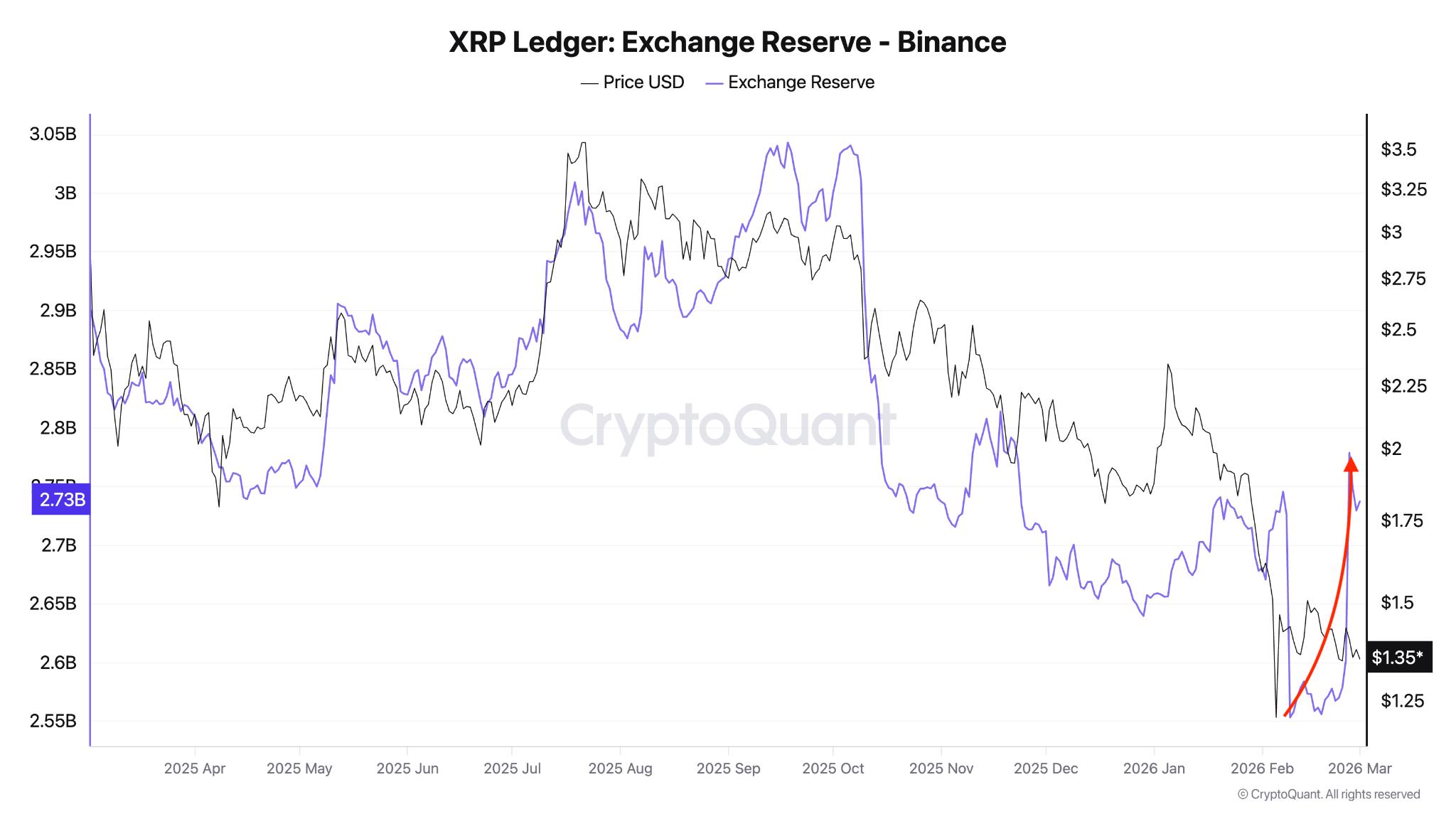
XRP faces $650M sell risk as charts hint at prices below $1
Sunrun’s Declining Subscriber Value: An Overlooked Trigger in the Shift Toward Positive Cash Flow?
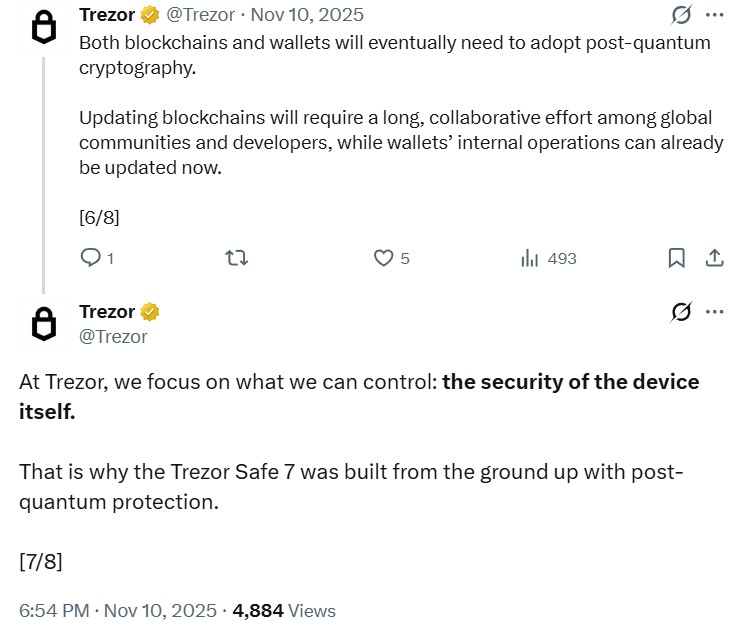
Are quantum-proof Bitcoin wallets insurance or a fear tax?
Trending news
MoreCrypto prices
More





