
Silver is going crazy! From $30 to $110: Should you chase the rally, or wait for it to crash before picking it up?

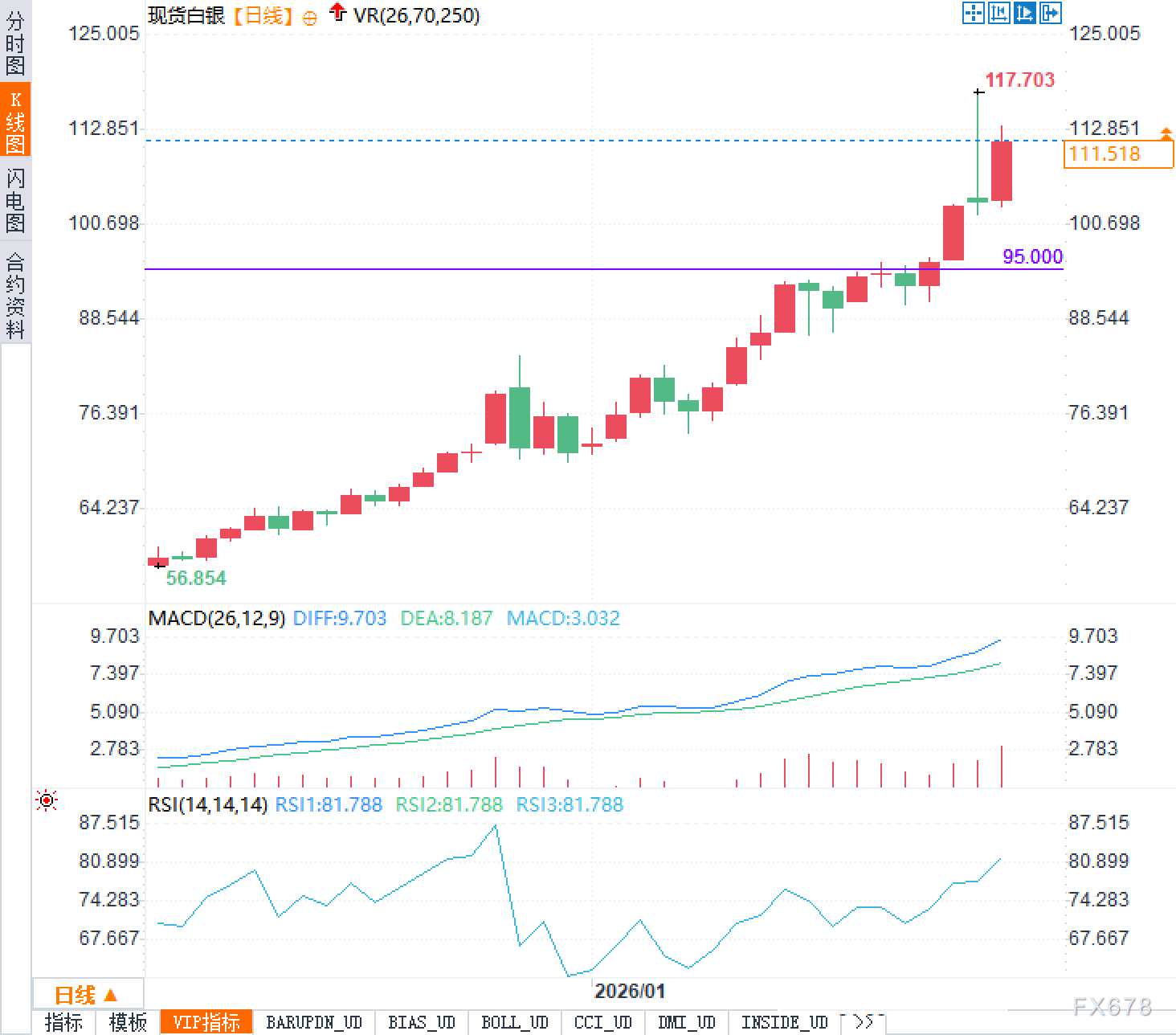
Huitong Network, January 27 — Recently, spot silver's performance has resembled a thrilling extreme sport. On Tuesday, January 27, before the US market opened, trading hovered around $111.50, with overall market sentiment still leaning bullish. However, the price trend is no longer steadily rising, instead frequently staging roller-coaster-like surges and sharp drops. Just yesterday, silver prices once spiked to a historic high of $117.70, before encountering large-scale profit-taking and quickly falling back to the $103 region. In just a few hours, the price swing approached $15, which analysts believe is comparable to the volatility seen in a minor financial crisis.
Recently, spot silver's performance has resembled a thrilling extreme sport. On Tuesday, January 27, prior to the US market open, trading hovered around $111.50, and overall market sentiment remained bullish. However, the price trend is no longer a steady climb but has instead turned into frequent roller-coaster-like surges and plunges. Just yesterday, silver prices surged to a record high of $117.70, then faced large-scale profit-taking and quickly dropped back to the $103 area. Within just a few hours, the price swing approached $15, which analysts consider on par with volatility observed during minor financial crises.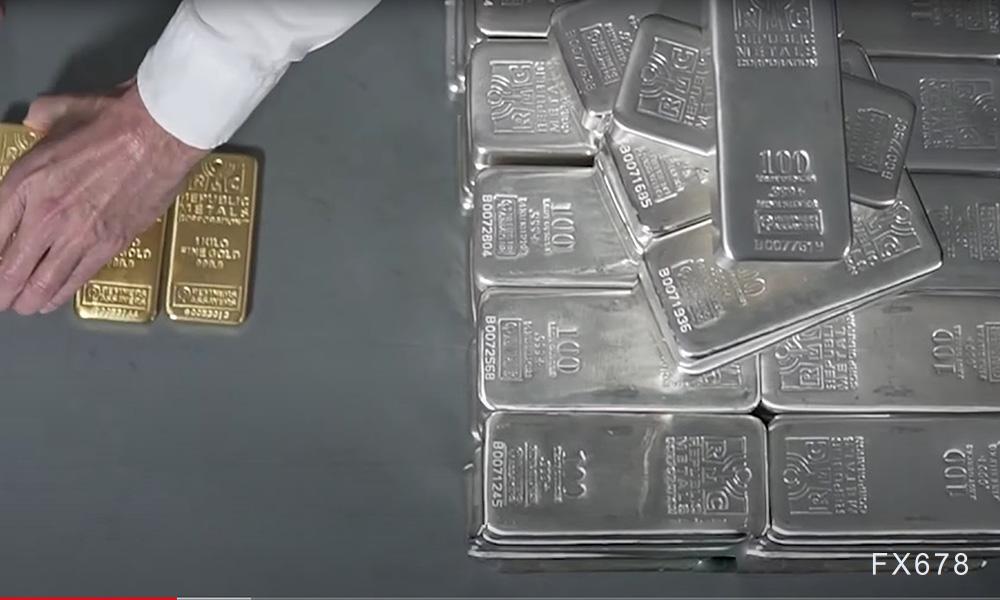
On the following day, the plot reversed again. In the early European session, buying power quickly returned, pushing the price above $113 in one go and almost recovering all of the previous day's losses. Notably, the intensity of this round of price action is especially striking when viewed over a yearly timeframe. At the same time last year, silver was still lingering around $30; now, not only has it broken through the $100 mark, but single-day swings of nearly $10 have become the norm. Since the beginning of the year, the rally has clearly accelerated, and this week it has shown an almost parabolic surge. Such a rapid rise has long departed from traditional valuation logic and is now driven more by capital sentiment and macro narratives.
Three Main Engines Driving Silver's Surge: Safe Haven, Rate Cut Expectations, and Supply-Demand Tightness
The forces behind this strong rally in silver are not due to a single factor, but the resonance of multiple main drivers. First is the significant increase in safe-haven demand. Global political and geopolitical tensions continue, and the risk of a US government shutdown has resurfaced. Senate Democratic leader Schumer publicly opposed a funding proposal that included appropriations for the Department of Homeland Security, increasing the likelihood of a federal agency shutdown. Against this backdrop, investors have reduced risk exposure and shifted toward safe-haven assets such as gold and silver, directly boosting demand for precious metals allocations.
Second, monetary policy expectations are also playing a key role. The market is closely watching the future direction of the Federal Reserve's policy, especially whether the pace of rate cuts may accelerate this year. If a downward trend in interest rates is confirmed, real rates will remain low, which is very favorable for precious metals that do not yield interest. At the same time, the US dollar has recently shown a period of weakness, further enhancing the appeal of dollar-denominated silver and creating a "double whammy" effect. Funds are using currency depreciation trades to flow into asset classes considered "representatives of real purchasing power," making silver a top choice.
The third force comes from the combination of supply-demand fundamentals and structural narratives. Discussions about tight silver supply are increasing. While industrial demand grows steadily, investment demand has suddenly surged, causing short-term price elasticity to be dramatically amplified. Especially when trending markets resonate with capital chasing higher prices, prices often accelerate away from fundamentals. Coupled with corrections in some sovereign bonds and foreign currencies, investors are reassessing their asset portfolios, giving silver more reasons for allocation. These factors together have created a macro environment favorable for precious metals to continue strengthening.
Rising Too Fast Becomes a Hidden Risk: Fragile Balance Under High Leverage
Although the overall trend remains bullish, analysts warn that the current market has entered a highly sensitive stage. This month, silver's cumulative gain has reached about 57%, and the total gain over the past six months is close to 98%. Such a rapid price jump means the market has seriously deviated from historical equilibrium ranges. While the trend has yet to reverse, any minor event could trigger a sharp correction.
The core issue is the coexistence of "crowded trades" and high leverage. When large amounts of capital concentrate in the same long direction, market liquidity can become extremely fragile. Once a profit-taking signal or external risk subsides, prices may not retreat gradually but instead fall sharply in leaps. Such "flash crashes" often trigger chain stop-losses and margin calls, further intensifying selling pressure until prices fall to a support level that attracts bargain hunting and completes a high-volatility rebalancing process.
Historical experience shows that in a strong trending market, "calling the top" too early is often the main source of losses. True turning points usually do not occur at price peaks but rather at key moments of liquidity exhaustion and risk appetite reversal. Therefore, analysts believe it is better to pay attention to signals that may trigger trend reversals—such as a sudden shift in Federal Reserve policy, easing of geopolitical crises, or an unexpected strengthening of the US dollar—rather than trying to predict where the top will be. Only when these conditions change substantially could the current bullish pattern really collapse.
Two Future Scenarios: Continuing Strength or Violent Shake-Out?
Looking ahead, silver may evolve along two paths. The first is continued bullishness. As long as political uncertainty persists and expectations for monetary easing remain, silver prices may continue to run strong. Even if there are pullbacks, capital may step in at lower levels, pushing prices to repeatedly hit new highs. In this scenario, every significant correction may be seen as a "buying opportunity" rather than a sign of the trend's end.
The second scenario is a sharp correction. If macro risks temporarily ease and safe-haven premiums fall rapidly, coupled with heavy profit-taking, silver could experience a cliff-like drop. The purpose of such a correction would be to flush out high-leverage positions and overly crowded longs, making room for the next phase of the trend. Although the long-term trend may not end here, the short-term impact should not be underestimated.
Disclaimer: The content of this article solely reflects the author's opinion and does not represent the platform in any capacity. This article is not intended to serve as a reference for making investment decisions.
You may also like
Dana's March 25 Catalyst: Testing the $10B Math Against a $35 Price Target
TradFi to adopt 24/7 crypto rails sooner than expected: Bitwise
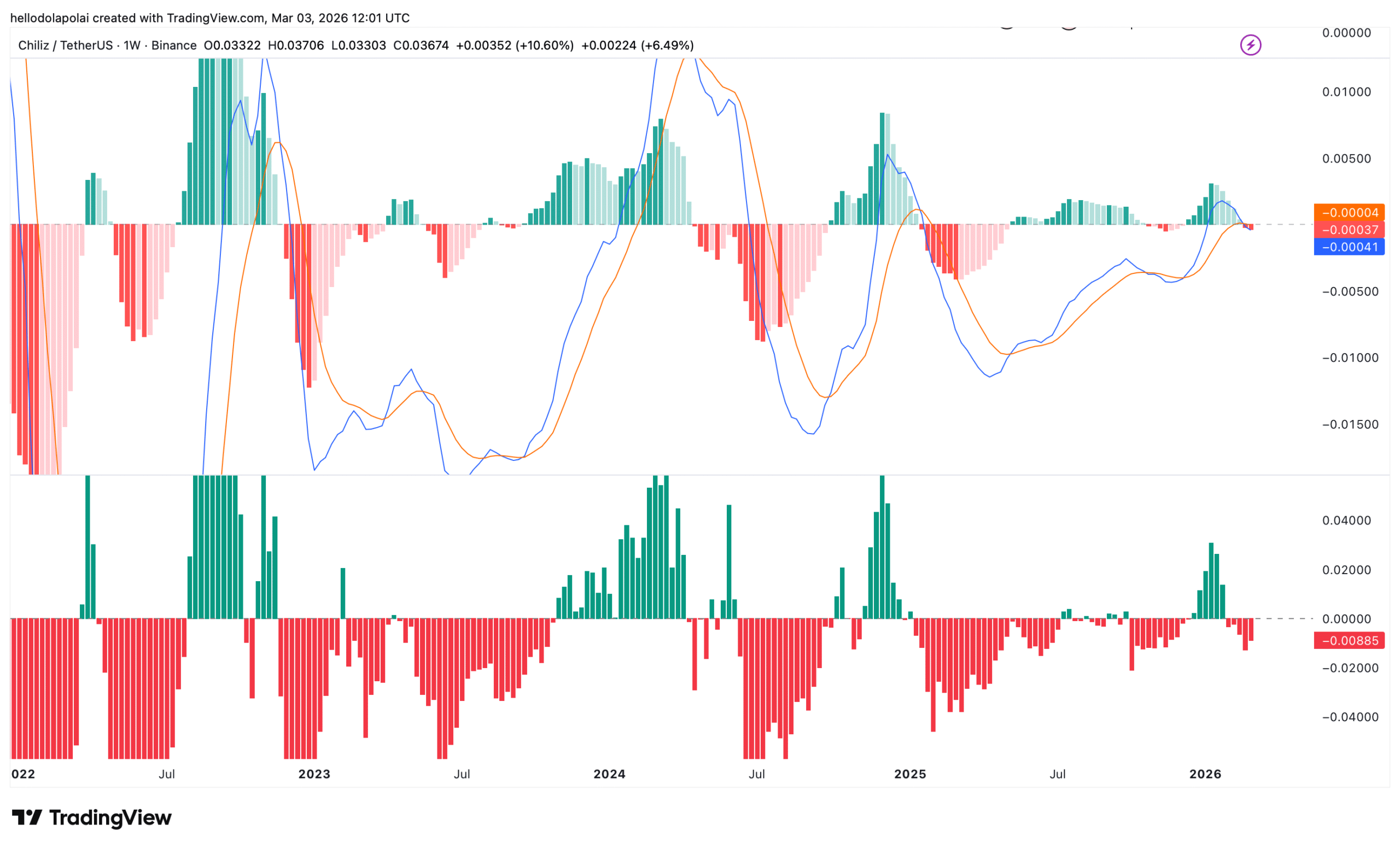
Chiliz nears key resistance: What’s behind CHZ’s fragile rally?
Marvell: Cramer's "Buy the Dip" Alpha vs. The "Lost Deal" Noise
Trending news
MoreCrypto prices
More





