
Europe’s prohibition on Russian gas is expected to spark a fresh surge in demand for LNG tankers

EU LNG Ban Set to Drive Demand for Dozens of New Carriers
As the European Union moves forward with its initiative to prohibit imports of Russian liquefied natural gas (LNG), industry experts anticipate a significant uptick in the need for LNG shipping vessels. According to a senior analyst at Vortexa, this policy shift could result in the construction of approximately 30 additional LNG carriers.
Vortexa’s Ashley Sherman notes that if current sanctions continue to exempt Yamal LNG, allowing it to supply European customers, the region will require at least 30 new LNG ships—either with minimal or no ice-class specifications—to meet ongoing demand. Europe remains the world’s second-largest LNG importer, trailing only Asia.
Timeline for Russian Gas Phase-Out
In December of last year, the EU committed to a binding plan to gradually reduce and ultimately eliminate both LNG and pipeline gas imports from Russia. The schedule sets the end of 2026 as the cutoff for LNG, with pipeline gas imports to cease by autumn 2027.
Last month, the European Council officially endorsed the ban, instructing member states to develop strategies for diversifying their gas sources and to identify any obstacles to replacing Russian supplies by March. However, countries such as Hungary and Slovakia have voiced concerns, arguing that the policy could lead to unsustainable increases in their energy expenses.
Sanctions and Exemptions
While the Yamal LNG facility, operated by Novatek, has so far avoided direct EU sanctions due to Europe’s pressing gas needs, ships loading from this Western Siberian plant have been targeted by restrictions. In contrast, Novatek’s Arctic LNG 2 and Gazprom’s Portovaya LNG plant are both subject to Western sanctions. Despite these measures, both facilities continue to ship LNG to China, even as their production sites and associated carriers face penalties.
Record LNG Imports Amid Harsh Winter
Despite the ongoing sanctions and policy changes, the EU imported unprecedented volumes of LNG last month, driven by severe winter conditions. According to data from Gas Infrastructure Europe, cited by Russia’s TASS news agency, imports reached 12.7 billion cubic meters.
By Irina Slav for Oilprice.com
Disclaimer: The content of this article solely reflects the author's opinion and does not represent the platform in any capacity. This article is not intended to serve as a reference for making investment decisions.
You may also like
Breaking: The US and Israel launch strikes on Iran, prompting global markets to turn risk-averse
Weekly review calendar week 9 – 2026
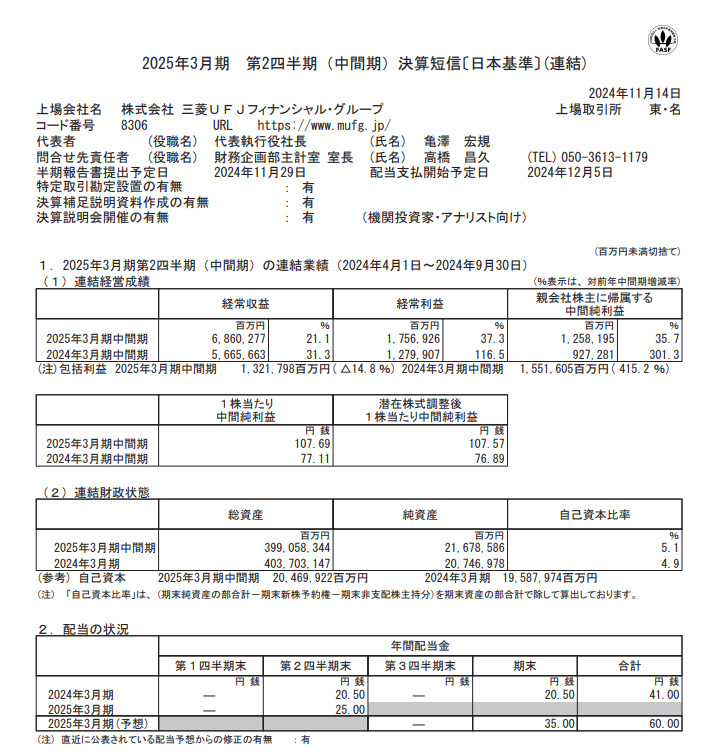
三菱日联金融:上半财年净利润1.26万亿日元,同比增长35.7%
Nansen Boosts User Engagement with AI-Led DeFi Rewards via UnifAI
Trending news
MoreCrypto prices
More





