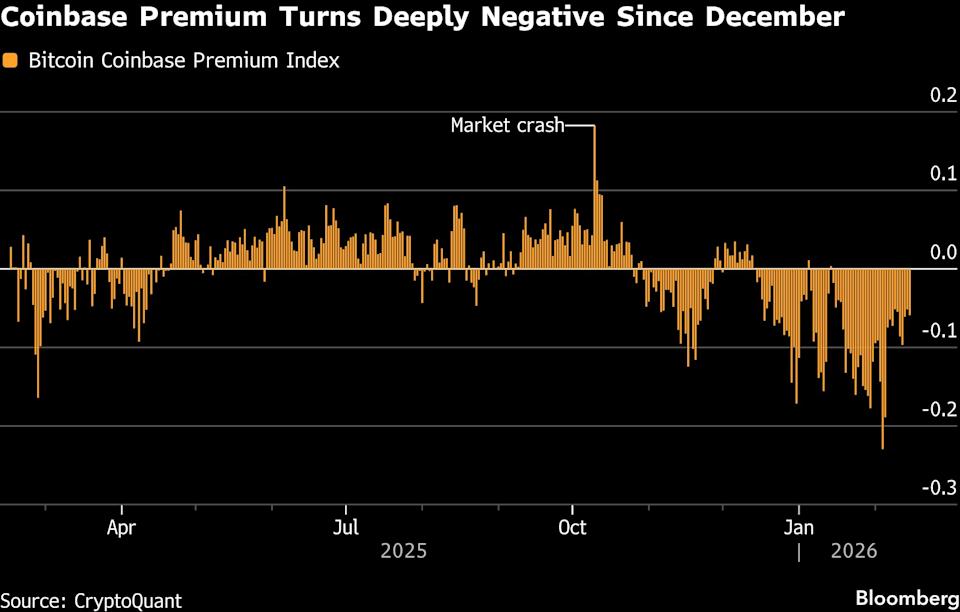
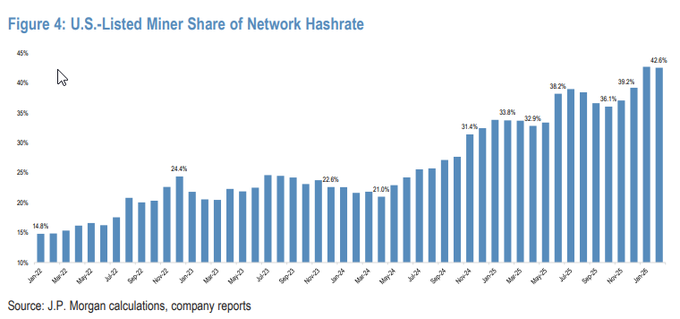
In 2025, the landscape of Bitcoin ownership underwent a striking transformation. According to the latest ownership report released by River, the distribution of Bitcoin saw a historic pivot as holdings shifted away from individual investors and moved decisively toward institutions, corporations, and governments. Far from being a fleeting trend, this shift signaled a critical structural change in Bitcoin’s ownership history, marking a moment that stands apart from prior years.
Corporate Accumulation Hits Record Highs
Over the year, corporations sharply ramped up their Bitcoin portfolios, collectively acquiring an additional 489,000 BTC—the largest net gain among all investor segments. Driven by strategic treasury policies, a growing number of companies continued to adopt Bitcoin as a reserve asset, integrating it firmly into their balance sheets. Data from River’s report highlighted that, in 2025, corporate treasuries absorbed a substantial share of Bitcoin’s circulating supply, signifying a significant leap in institutional commitment to digital assets.
Demand for Bitcoin funds and exchange-traded funds (ETFs) also surged at an unprecedented rate. The total amount of Bitcoin held in these investment products rose by 205,000 BTC over the period. Governments, too, expanded their presence in the crypto market, with public portfolios recording a net accumulation of 135,000 BTC. This influx underscores not only heightened state-level interest in digital currencies but also a diversifying array of structured holders.
Taken together, these three pillars—corporations, funds, and governments—shifted approximately 829,000 BTC into institutional and structured portfolios by year’s end. This massive transfer marked a notable movement from retail to institutional ownership across the broader market.
Retail Investors Pull Back
Driving this transformation were the actions of individual investors, whose retreat left a pronounced mark on 2025. The aggregate holdings within personal Bitcoin wallets declined by 696,000 BTC over the year, representing the largest annual drop on record for this group.
While institutional and public entities were accumulating, individual holders were offloading significant portions of their Bitcoin reserves back onto the market. According to the data, retail investors supplied much of the liquidity that enabled these large institutional buys, creating a newly balanced dynamic. This marked a sharp reversal from previous years, when retail investors had typically been net accumulators.
Comparisons with 2024 data reveal just how stark the shift has been, with clear evidence of a dramatic pivot in ownership trends throughout the year.
Market Structure Impacts and Outlook
The ongoing realignment in ownership presents potential long-term consequences for market dynamics. Institutional investors such as corporations, ETFs, and governments generally pursue longer-term strategies and operate under well-defined governance principles, a stark contrast to the historically more reactive behavior of retail traders.
With Bitcoin ownership consolidating in the hands of long-term capital allocators, the industry may witness shifts in liquidity distribution and price volatility in the coming period. Some experts anticipate that this could stabilize the market, while others point to potential challenges arising from more concentrated holdings.
The 2025 figures signal that Bitcoin is becoming increasingly interwoven into institutional and governmental financial infrastructure. As detailed adaptation reports are expected later in the year, further insights on this transition await. Nevertheless, current ownership charts clearly depict a striking redistribution in how Bitcoin is held, offering a window into a rapidly maturing digital asset ecosystem.