
Eurozone Business Growth Accelerates Beyond Forecasts

European Economic Activity Surpasses Expectations

The La Defense business district rises behind the Arc de Triomphe in Paris. - joel saget/Agence France-Presse/Getty Images
In February, private sector growth across Europe accelerated more than analysts had forecast, with a notable recovery in industrial output. This resilience comes as European economies continue to withstand ongoing challenges.
According to S&P Global, their latest index tracking manufacturing and service sector performance in the eurozone climbed to 51.9 in February, up from 51.3 in January. Economists surveyed by The Wall Street Journal had predicted a slightly lower figure of 51.5.
Top Stories from The Wall Street Journal
Readings above 50 indicate expansion, while values below this threshold signal contraction.
The improvement in the eurozone was largely fueled by a surge in manufacturing, which returned to growth for the first time since August and reached its highest level in three and a half years.
Germany led this resurgence, benefiting from new government stimulus measures after a prolonged period of stagnation.
“Germany’s GDP likely saw noticeable growth in the first quarter,” commented Cyrus de la Rubia, chief economist at Hamburg Commercial Bank.
He added, “Both service and manufacturing companies remain upbeat about the coming year, suggesting GDP growth could exceed 1% in 2024.”
Despite ongoing trade tensions and weaker global demand for exports, the eurozone has shown greater resilience than many anticipated. Increased government spending and a renewed emphasis on domestic demand have helped stabilize the region amid global uncertainty.
The European Central Bank noted in a recent bulletin, “Provided there are no major short-term disruptions, activity in the euro area is expected to gradually recover, with domestic demand providing support.”
Meanwhile, the United Kingdom saw business activity approach a two-year peak, with manufacturing boosted by a post-pandemic surge in export orders.
Similar trends were observed in India and Japan, where growth accelerated, though Australia’s private sector expansion slowed.
Globally, economic growth outpaced expectations in 2025, and the International Monetary Fund projects worldwide expansion of approximately 3.3% for 2026.
Risks and Outlook
Despite these positive signs, the future remains uncertain. Economists warn that ongoing trade disputes could have significant long-term consequences. The IMF estimates that severe trade fragmentation could reduce global GDP by as much as 7%.
Additionally, doubts remain about the sustainability of the current surge in artificial intelligence investments, which could impact future economic activity.
More Popular Reads from The Wall Street Journal
Disclaimer: The content of this article solely reflects the author's opinion and does not represent the platform in any capacity. This article is not intended to serve as a reference for making investment decisions.
You may also like
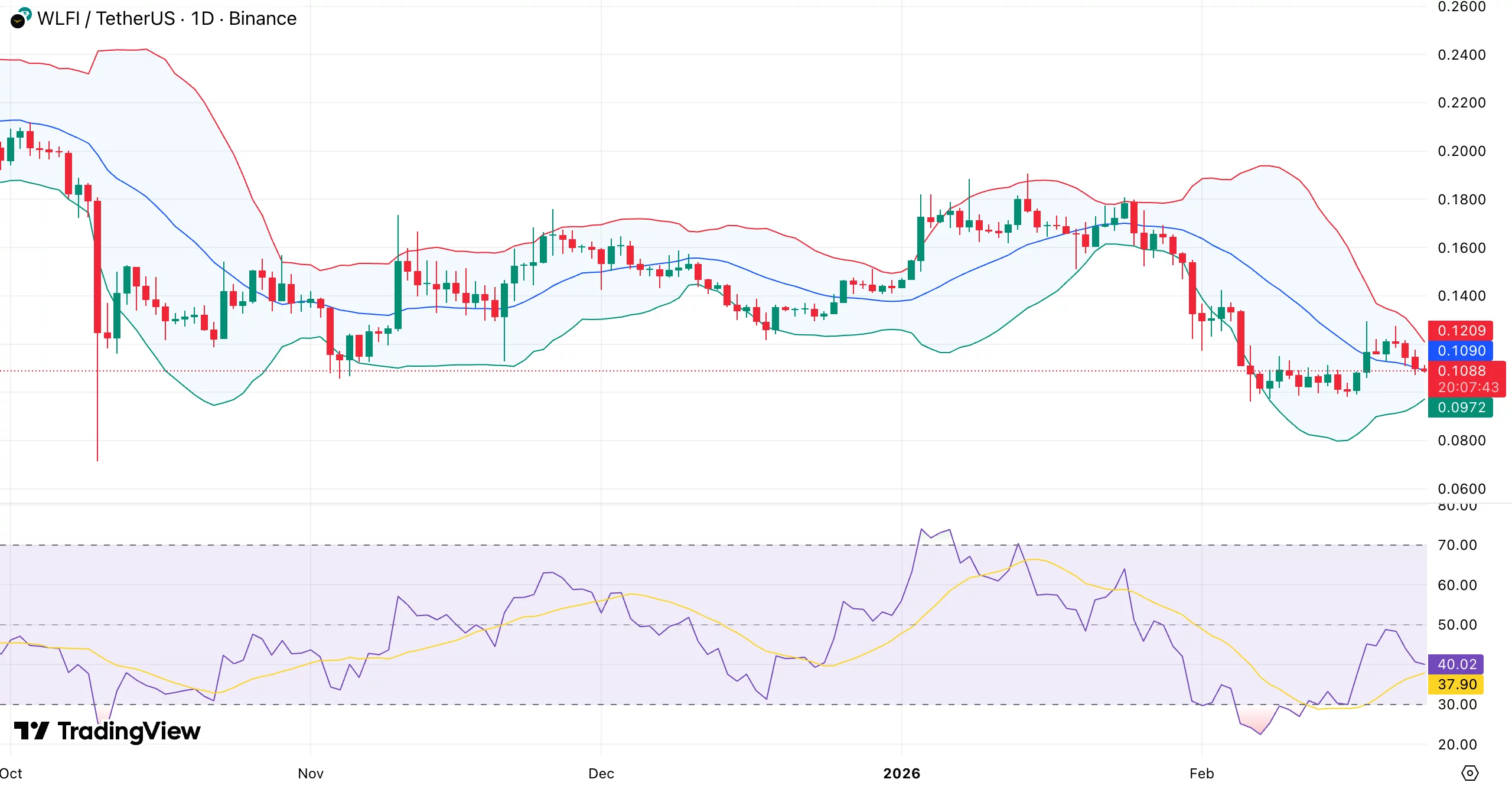
World Liberty Financial price tests $0.10 support as USD1 briefly depegs
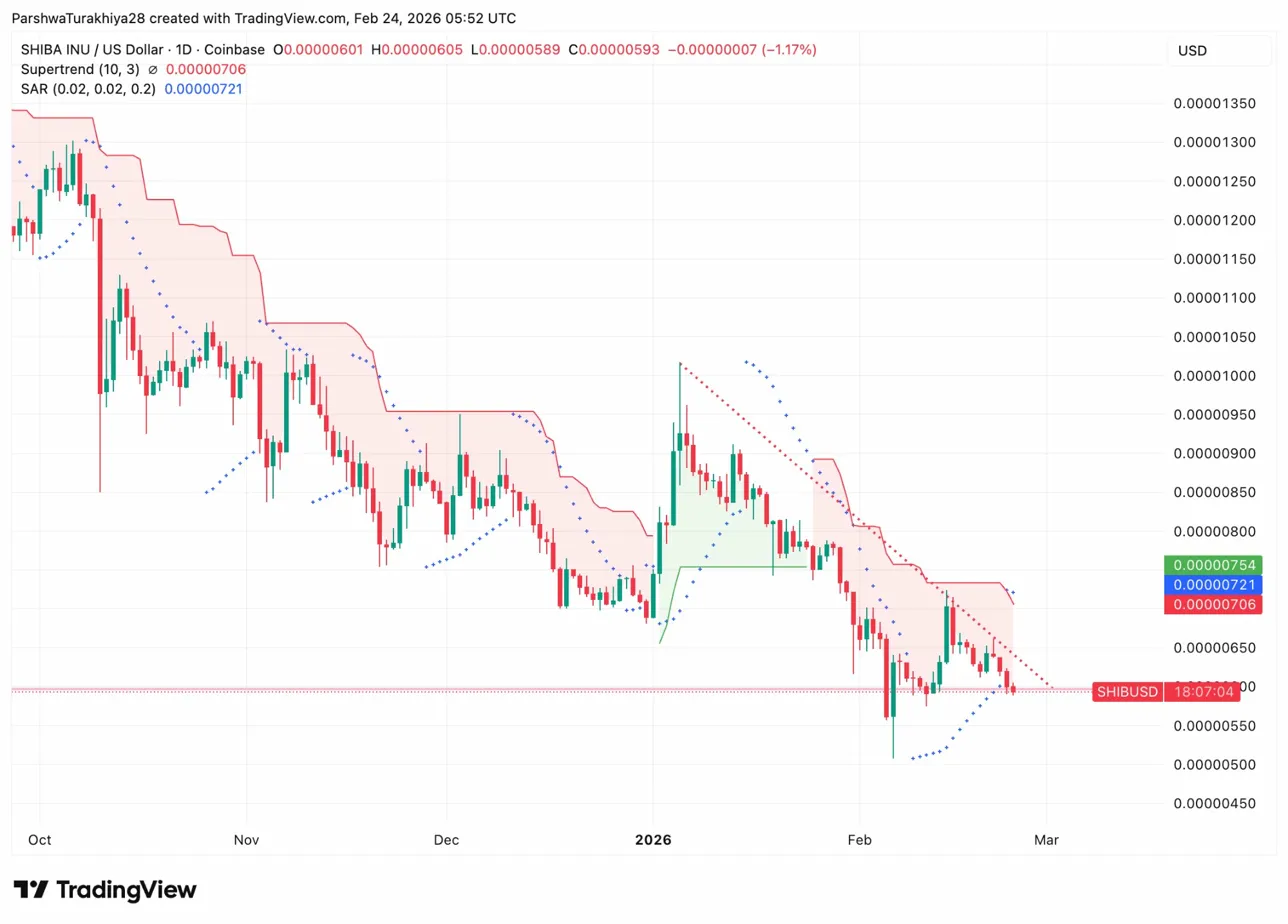
Shiba Inu Drops to 26th: Can SHIB Price Climb Back to Top 10?
Shiba Inu Price Prediction: Burn Surge Fails To Offset SOU NFT Scam Fears
Edison International (EIX) Faces Analyst Caution Amid Near-Term Risks

Trending news
MoreCrypto prices
More





