
Diageo's Recovery: An Unprecedented Challenge for "Drastic Dave"

Dave Lewis Takes Charge: Diageo's High-Stakes Transformation
In January, Sir Dave Lewis assumed leadership of Diageo after the previous CEO departed following a profit warning and a prolonged decline in share price. Investors responded positively, boosting Diageo’s market value by nearly $2.6 billion overnight. Lewis, nicknamed "Drastic Dave" for his decisive cost-cutting at Unilever and his successful turnaround of Tesco, now faces a daunting challenge: steering a company burdened by substantial debt and rapidly declining sales.
Diageo’s financial situation is precarious. The company holds $22 billion in net debt, about 3.4 times its EBITDA, leaving little margin for error. After lowering its full-year sales outlook twice this fiscal year, Diageo now anticipates organic sales to decrease by 2-3%, a downgrade from earlier projections. Lewis’s proven track record in cost reduction will be tested as he navigates a company facing both high leverage and shrinking revenues.
Lewis’s Track Record: Turning Around Troubled Giants
Lewis is renowned for rescuing companies in crisis. At Tesco, he tackled profit warnings, mounting debt, and reputational damage by implementing aggressive cost controls, revitalizing brands, and countering discount competitors. Diageo’s current issues—falling sales, challenges from weight-loss drugs, and weakening demand in the US and China—echo the complex problems Lewis has solved before. However, the spirits industry presents new hurdles, including a different cost structure and a more unpredictable consumer base.
Structural Weakness: Persistent Demand Declines
Diageo’s sales slump is not a short-term setback but reflects deeper, ongoing demand erosion in its two largest markets. This fundamental shift in consumer behavior is the central challenge Lewis must address.
Recent figures highlight the severity: in the first half of the fiscal year, organic net sales dropped 2.8%, missing expectations. The Greater China region saw a dramatic 42% decline, worsening since the last guidance, while US spirits sales fell 9.3%. Diageo’s CFO attributed these declines to tighter consumer budgets and heightened competition, especially in tequila. The company’s premium offerings are being squeezed by both economic pressures and a crowded marketplace.
While Europe and Africa showed relative strength, these gains were insufficient to offset the steep losses elsewhere. This pattern resembles the slow erosion of established brands in retail during the early 2000s, but Diageo’s challenges are more acute.
Despite falling sales, Diageo reported slightly higher pre-tax profit and adjusted basic earnings per share of 95.3 cents, only marginally lower than last year. This suggests that cost-saving measures are cushioning profits, but the underlying revenue decline remains a concern. Lewis’s challenge is not just maintaining margins, but reigniting sales growth—a task that will require more than just cost-cutting.
Strategic Choices: Cost Reduction and Portfolio Optimization
Diageo’s board has already approved immediate steps to improve financial flexibility, including cutting the dividend and lowering sales guidance. These swift actions are characteristic of Lewis’s approach. However, the real strategic dilemma lies in balancing these financial fixes with the longer-term goal of revitalizing brand strength in a changing market.
Analysts anticipate that Diageo will pursue asset sales—often referred to as "kitchen sinking"—to reduce its $22 billion net debt. Yet, as one analyst observed, current market conditions are unfavorable for asset sales, with valuations near historic lows and limited M&A opportunities. Unlike Lewis’s asset disposals at Tesco, today’s environment makes such moves less attractive, emphasizing internal cost-cutting as the main tool for deleveraging.
With over 200 brands, Diageo’s portfolio is both an advantage and a potential distraction. Investors are eager to see Lewis’s approach to brand focus. While streamlining is expected, iconic holdings like Guinness and Moet Hennessy are considered too valuable to divest. Portfolio adjustments will likely target less profitable or non-core assets, favoring a targeted approach over broad sell-offs.
Ultimately, the company faces a trade-off: immediate actions such as cost reductions and dividend cuts versus the longer-term need to restore brand vitality, especially in China and the US. Lewis must demonstrate that he can do more than shore up the balance sheet—he must spark renewed demand for premium spirits amid shifting consumer preferences and fierce competition.
Absolute Momentum Long-Only Strategy: DGE Backtest Summary
- Entry Criteria: Buy when 252-day rate of change is positive and price exceeds the 200-day moving average.
- Exit Criteria: Sell when price falls below the 200-day moving average, after 20 trading days, or when reaching +8% profit or -4% loss.
- Universe: DGE, past 2 years.
- Strategy Return: 17.37%
- Annualized Return: 8.32%
- Maximum Drawdown: 6.69%
- Profit-Loss Ratio: 2.93
- Total Trades: 9
- Winning Trades: 7
- Losing Trades: 1
- Win Rate: 77.78%
- Average Hold Days: 19.89
- Average Win Return: 2.45%
- Average Loss Return: 0.8%
- Maximum Single Return: 6.09%
- Maximum Single Loss Return: 0.8%
Key Catalysts and Risks: What Will Drive the Turnaround?
Diageo’s recovery depends on several pivotal factors. The most important is Lewis’s forthcoming strategic plan, expected in the third quarter. At Tesco, his blueprint centered on cost reduction and price competitiveness. For Diageo, the strategy must also address how to rebuild brand appeal in structurally weak markets like China and the US. Without a clear path to growth beyond financial maneuvers, the recent stock rally may not last.
Another critical signal will be whether sales in Diageo’s weakest regions begin to stabilize or recover. The sharp declines in China and the US are not minor setbacks—they require a fundamental response in marketing and product development. Early signs of stabilization would indicate the new strategy is working, while continued deterioration would confirm deeper, persistent challenges.
There is also a significant risk: the aggressive cost-cutting and brand rationalization that Lewis is known for could inadvertently harm brand equity. In a market where younger consumers are increasingly disengaged, maintaining brand strength is essential. Diageo’s extensive portfolio is a source of value, but excessive pruning could undermine its premium positioning and pricing power. With limited opportunities for external growth, internal improvements are crucial, making this risk even more pronounced.
Conclusion: Balancing Immediate Action and Long-Term Renewal
Diageo stands at a crossroads between urgent financial measures and the need for sustained brand rejuvenation. The market is betting that Lewis can deliver both. The coming quarters will reveal whether his proven turnaround strategies can be adapted to a business facing not just financial strain, but a rapidly evolving consumer landscape.
Disclaimer: The content of this article solely reflects the author's opinion and does not represent the platform in any capacity. This article is not intended to serve as a reference for making investment decisions.
You may also like
How China’s restriction on rare earths led to a technological breakthrough in the United States
What Should You Anticipate From MongoDB’s (MDB) Fourth Quarter Results
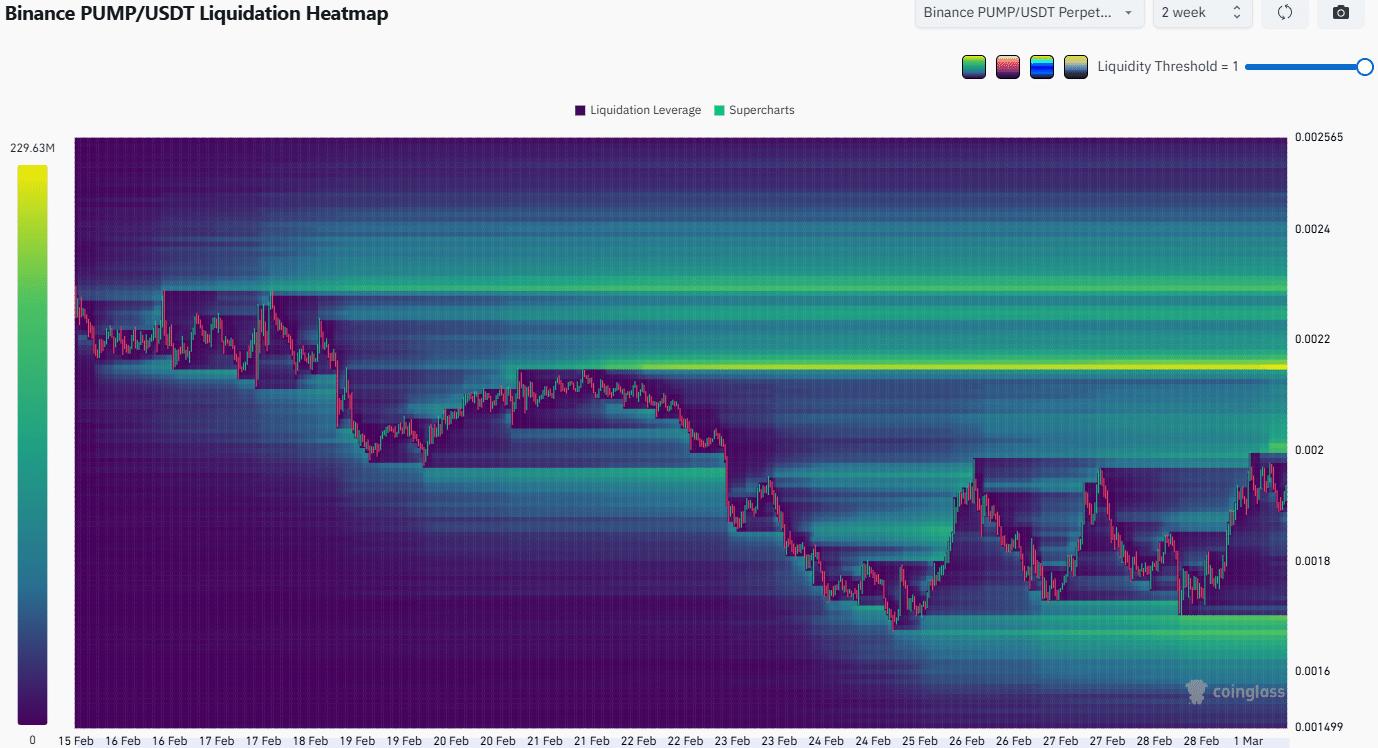
PUMP: Indecisive price action keeps traders on edge
Trending news
MoreCrypto prices
More





