
Brokers Recommend Considering ASML (ASML) for Investment: Important Information to Know Before You Decide

How Much Do Wall Street Analyst Ratings Matter?
Many investors look to Wall Street analyst recommendations when making decisions about buying, selling, or holding stocks. News about changes in these ratings by analysts working for brokerage firms can often move a stock’s price. But how significant are these recommendations in reality?
Before evaluating how trustworthy brokerage ratings are and how you might use them, let’s review what analysts are currently saying about ASML (ASML).
Current Analyst Ratings for ASML
ASML’s average brokerage recommendation (ABR) stands at 1.34 on a scale from 1 (Strong Buy) to 5 (Strong Sell). This figure is calculated from the ratings of 29 different brokerages and falls between Strong Buy and Buy.
Of these 29 ratings, 23 are Strong Buy and two are Buy, meaning that 79.3% of analysts rate the stock as Strong Buy and 6.9% as Buy.
Trends in Brokerage Recommendations
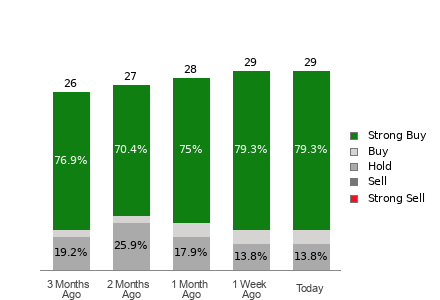
While the ABR points to a buying opportunity for ASML, relying solely on this metric may not be wise. Research indicates that brokerage recommendations rarely help investors consistently pick stocks with the highest potential for price gains.
Why is this the case? Brokerage firms often have a vested interest in the stocks they cover, leading analysts to issue more positive ratings. Studies show that for every “Strong Sell” recommendation, there are five “Strong Buy” ratings from brokerages.
This means that analyst interests may not always match those of individual investors, and their ratings don’t reliably predict future price movements. Instead, these recommendations may be best used to confirm your own research or to support signals from proven indicators.
One such indicator is the Zacks Rank, a proprietary rating system with a strong track record. Zacks Rank sorts stocks into five categories, from #1 (Strong Buy) to #5 (Strong Sell), and is known for predicting short-term price performance. Using the ABR to supplement the Zacks Rank can help investors make more informed decisions.
ABR vs. Zacks Rank: Key Differences
Although both the ABR and Zacks Rank use a 1-to-5 scale, they measure different things.
- The ABR is based solely on brokerage analyst recommendations and is often shown as a decimal (e.g., 1.28).
- The Zacks Rank is a quantitative model that focuses on changes in earnings estimates, displayed as whole numbers from 1 to 5.
Brokerage analysts tend to be overly optimistic, often issuing more favorable ratings than their research supports due to their firms’ interests. As a result, these ratings can mislead investors more often than they help.
By contrast, the Zacks Rank is driven by earnings estimate revisions, which have been shown to correlate strongly with short-term stock price movements. The Zacks Rank also maintains a balanced distribution across all covered stocks, ensuring objectivity.
Another important distinction is timeliness. The ABR may not always reflect the latest information, while the Zacks Rank is updated promptly as analysts revise their earnings forecasts, making it a timely tool for predicting price changes.
Should You Invest in ASML?
Recent earnings estimate revisions for ASML show that the Zacks Consensus Estimate for the current year has climbed 7.6% in the past month to $33.67.
This upward trend, along with strong agreement among analysts in raising their EPS forecasts, suggests growing confidence in ASML’s earnings outlook—a factor that could drive the stock higher in the near term.
These positive changes, combined with other earnings-related factors, have earned ASML a Zacks Rank #2 (Buy).
Therefore, ASML’s Buy-equivalent ABR can be a helpful reference point for investors.
Zacks’ Top Semiconductor Pick
There’s a lesser-known company in the semiconductor space that produces products not offered by industry giants like NVIDIA. Positioned to benefit from the next wave of market growth, this company is just starting to gain attention—an ideal time for investors to take notice.
With robust earnings growth and a rapidly expanding customer base, it’s well placed to meet surging demand for technologies like Artificial Intelligence, Machine Learning, and the Internet of Things. The global semiconductor market is expected to grow from $452 billion in 2021 to $971 billion by 2028.
Disclaimer: The content of this article solely reflects the author's opinion and does not represent the platform in any capacity. This article is not intended to serve as a reference for making investment decisions.
You may also like
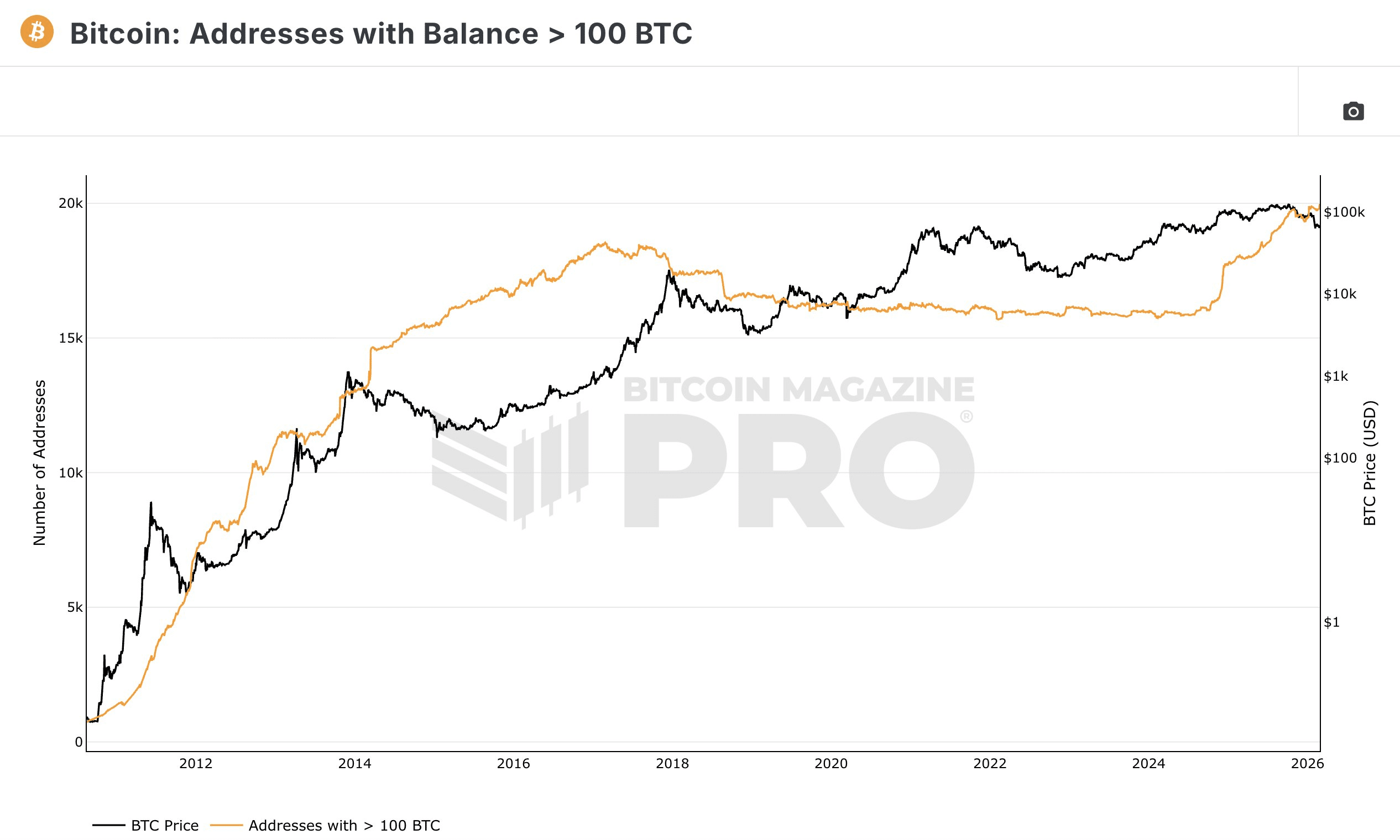
Bitcoin whale addresses holding 100 BTC hit ATH – Strategic play for H2 rally?
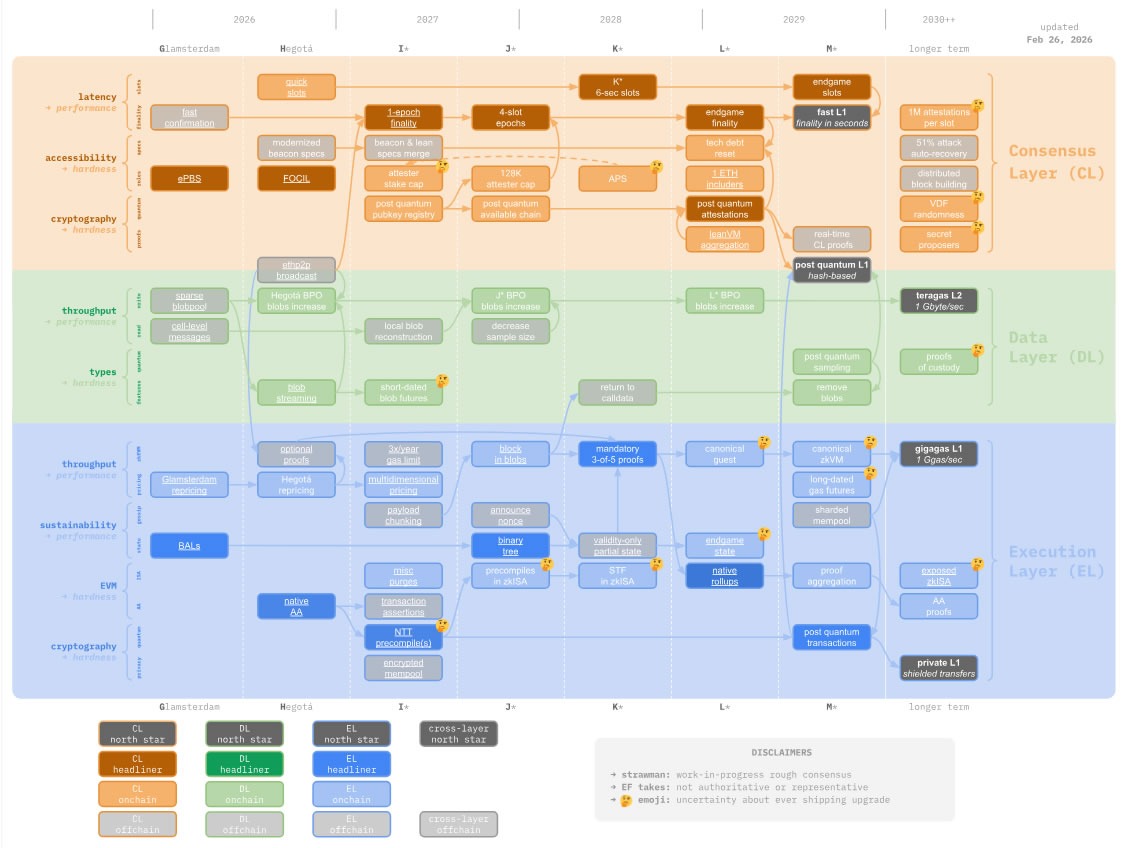
Ethereum smart accounts are finally coming 'within a year' — Vitalik Buterin
涉嫌滥用分类广告主导地位!Meta遭欧盟罚款7.98亿欧元

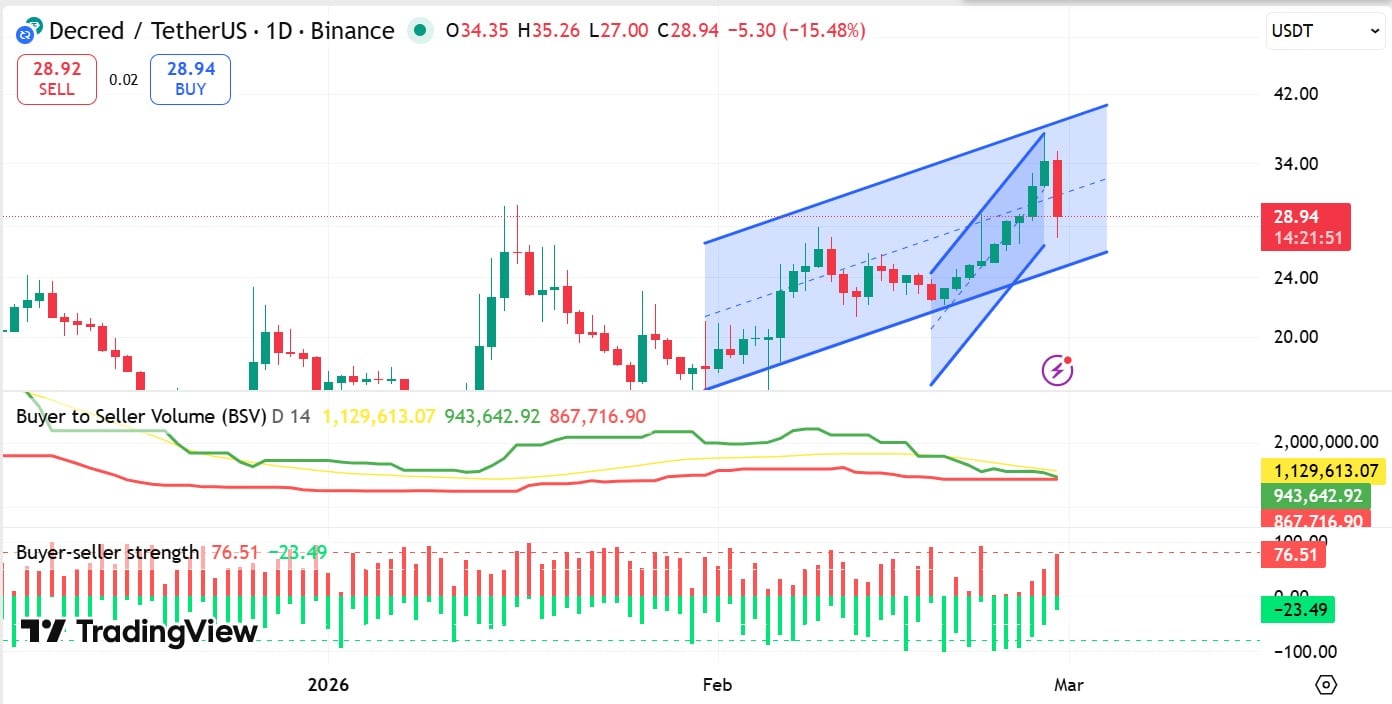
Analyzing Decred’s post-selloff state – Is $24 or $35 next for DCR?
Trending news
MoreCrypto prices
More





