
Walmart Drops 0.79 Amid Governance Dispute Over DEI Policy Changes; Trading Volume Places 39th

Market Overview
On February 25, 2026, Walmart (WMT) ended the trading session down 0.79%, as investors remained cautious amid ongoing debates over corporate governance. The company recorded a trading volume of $2.18 billion, placing it 39th in terms of daily activity. This slight decrease occurred during a period of heightened market uncertainty, with many businesses facing increased examination of their diversity, equity, and inclusion (DEI) policies. The modest decline in Walmart’s stock reflects broader volatility among retail and consumer goods companies, as industry participants adjust their strategies in response to changing regulatory and political landscapes.
Main Influences
Walmart’s recent share price dip is closely linked to the intensifying national conversation about DEI practices in corporate leadership, a topic that has gained momentum during President Donald Trump’s administration. Reports indicate that Walmart, along with companies like Goldman Sachs (GS, +2.12%), Target (TGT, +0.80%), and Meta (META, +2.25%), has either revised or considered changes to its DEI policies. These adjustments are largely a response to pressure from conservative shareholder groups, who advocate for removing diversity requirements from board selection processes. The National Legal and Policy Center (NLPC), a leading conservative organization, has played a significant role in these efforts, arguing that DEI initiatives unfairly disadvantage white men and conflict with established civil rights laws.
The NLPC’s growing influence has led several major firms to remove DEI language from their governance policies. Walmart, for example, has scaled back its DEI commitments since 2024, reversing expansions made during the Black Lives Matter movement in 2020. This retreat has sparked debate among investors about the potential long-term effects on company culture and governance. Critics warn that reducing DEI standards could result in less diverse leadership, which may hinder innovation and limit the variety of perspectives in strategic decision-making. Supporters of the rollback, however, argue that these changes are consistent with the Civil Rights Act of 1964, which does not specifically address board appointments.
Walmart’s situation is further complicated by its international presence. A significant share of its revenue comes from markets outside the U.S., where DEI practices are often more deeply embedded in business operations. Balancing domestic political expectations with global standards presents a complex challenge for the company’s leadership. Meanwhile, companies like Colgate-Palmolive and Apple have resisted similar shareholder pressures, highlighting the range of approaches to DEI in the corporate world. Walmart’s decision to scale back its DEI policies may be aimed at satisfying conservative investors, but it also risks alienating stakeholders who see diversity as essential for long-term success.
The market’s response to these shifts is multifaceted. While Walmart’s shares declined slightly, the percentage of S&P 500 companies openly including DEI criteria in board selection has dropped from about 50% in 2024 to less than 14% in 2026. This trend suggests that investor attitudes are increasingly shaped by the prevailing political and regulatory climate, even though the financial consequences of these policy changes remain unclear. The Equal Employment Opportunity Commission’s recent efforts to investigate possible DEI-related discrimination add another layer of legal and reputational risk for companies maintaining such policies. For Walmart, the key challenge is to navigate these complexities without undermining its global brand or operational performance.
In summary, the intersection of governance, political forces, and market trends will continue to influence Walmart’s stock trajectory. The company’s success will depend on its ability to articulate a clear strategy that addresses both domestic and international priorities. As advocacy groups like the NLPC push for further changes, Walmart’s leadership must carefully consider the short-term advantages of appeasing certain shareholders against the potential long-term drawbacks of reducing diversity and adaptability within the organization.
Disclaimer: The content of this article solely reflects the author's opinion and does not represent the platform in any capacity. This article is not intended to serve as a reference for making investment decisions.
You may also like
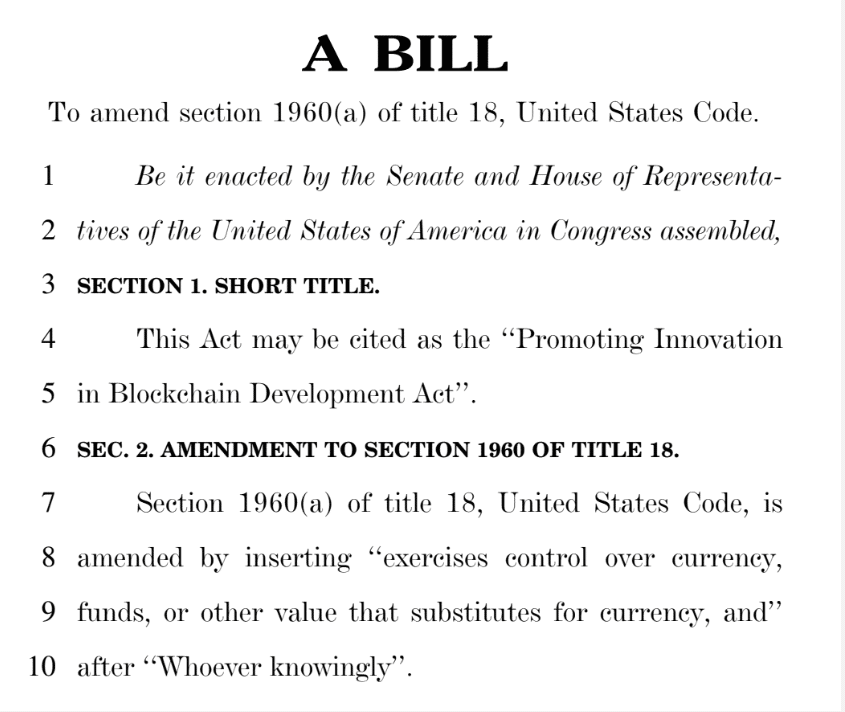
All about U.S Congress’s new bill and its intent to protect open-source developers
Southwest's Rally: A Guidance Reset or a Priced-In Beat?

TERN-701 ASH Data: Is This a Strategic Opportunity for Revaluation or Has the Market Already Factored It In?
Trending news
MoreCrypto prices
More





