
Xanadu's PennyLane Integration: A Strategic Play on Quantum Software's S-Curve

Quantum computing is racing toward a paradigm shift, but the path to practicality is blocked by a critical bottleneck: software. As hardware scales toward thousands of qubits, the complexity of quantum programs is expected to grow exponentially. This creates a massive compilation challenge, where turning high-level algorithms into machine instructions becomes the rate-limiting step in the entire stack. For the field to cross the S-curve from lab experiments to real-world applications, this software layer must become both powerful and accessible.
Xanadu is positioning itself at the heart of this infrastructure layer. Its PennyLane framework provides a user-friendly Python interface, lowering the barrier for researchers and developers to write hybrid quantum-classical programs. The real power, however, lies in its Catalyst compiler, which handles the heavy-lifting of optimization and compilation. The company's recent integration with the Munich Quantum Toolkit (MQT) is a strategic move to solve the interoperability problem that has plagued the field. By connecting PennyLane's intuitive frontend to MQT's high-performance Core project, they are creating a cohesive, scalable stack.
This collaboration is a direct response to the siloed nature of early quantum software. As the evidence notes, quantum tools from one organization often didn't work on another's hardware, creating an enormous obstacle. The integration with MQT's Core project, which is built on mature classical compilation technology, brings state-of-the-art optimization and verification directly into the workflow.
| Total Trade | 0 |
| Winning Trades | 0 |
| Losing Trades | 0 |
| Win Rate | 0% |
| Average Hold Days | 0 |
| Max Consecutive Losses | 0 |
| Profit Loss Ratio | 0 |
| Avg Win Return | 0% |
| Avg Loss Return | 0% |
| Max Single Return | 0% |
| Max Single Loss Return | 0% |
The S-Curve of Quantum Software Adoption
The integration of PennyLane with the Munich Quantum Toolkit is a deliberate play on the exponential growth curve. The industry has moved past the hype phase; 2025 delivered strong proof points that capital is underwriting quantum at a data-center scale. Now, 2026 is the year the field gets judged on market execution. The focus shifts from raw momentum to turning that momentum into scalable infrastructure. Success will be measured not by user counts alone, but by the depth of integration into major hardware roadmaps and high-performance quantum computingQUBT+7.03% (HPCQC) systems.
This collaboration signals that the software layer is being validated as a critical infrastructure investment. By connecting Xanadu's user-friendly frontend to MQT's high-performance, classical-compilation-inspired Core project, they are building a stack that can keep pace with the next wave of hardware. As evidence shows, hardware is scaling rapidly-Fujitsu and RIKEN are targeting a 1,000-qubit machine for 2026, while IBM points to multi-chip systems with thousands of qubits. For these systems to move from lab experiments to real-world applications, the software must be both powerful and accessible. The integration lowers the barrier for developers, allowing them to focus on innovation rather than complex software configurations.
The bottom line is that adoption is now a market execution metric. The quantum software ecosystem is maturing from isolated tools to a unified, interoperable workflow. This is the infrastructure layer that will support the paradigm shift. When more organizations are building multiple systems, demand shifts to steady throughput and reliable supply. The validation of this software stack at a data-center scale is a key signal that the field is building the fundamental rails for the next computing paradigm.
Financial and Valuation Context: Betting on the Paradigm Shift
Xanadu's financial setup is a classic bet on a paradigm shift. The company carries a $3 billion valuation and generated just $10 million in revenue in 2024. This gap between valuation and current sales is the premium placed on future software dominance. The path to closing it runs through a pending $3.1 billion business combination, a deal expected to close in the first quarter of 2026. This transaction is the vehicle to become the first publicly traded pure-play photonic quantum computing company, providing the capital needed to scale as the industry moves from today's noisy, intermediate-scale quantum (NISQ) era toward future utility.
The investment case hinges on Xanadu capturing a dominant share of the software stack during this transition. As hardware scales toward machines with thousands of qubits, the demand for efficient, interoperable software will explode. PennyLane, with its user-friendly interface and the performance boost from integrations like the one with MQT's Core project, is positioned to become the de facto standard. The company's strategy of building a unified workflow addresses a critical fragmentation risk. Yet this very focus on standardization is also the core vulnerability.
The key risk is the rise of competing software standards or proprietary lock-in by hardware vendors. The evidence highlights the siloed nature of early quantum software as a major obstacle. While Xanadu is collaborating to solve this, the field is also seeing the formation of competing alliances, like the QIR Alliance led by Quantinuum. If multiple incompatible software layers emerge, it could fragment the ecosystem and dilute Xanadu's potential market share. The company's success depends on its software stack becoming the foundational infrastructure layer that all other tools and hardware can plug into, rather than just one more proprietary option in a crowded field. The coming quarters will test whether its collaborative approach wins the standardization race.
Catalysts and Risks: What to Watch in 2026
The coming year will test whether Xanadu's software infrastructure thesis holds. The industry is shifting from hype to market execution, and the validation of any stack depends on its ability to keep pace with the next wave of hardware. The primary catalysts are clear: watch for announcements of integrations with major hardware platforms beyond the initial MQT collaboration. Success will be measured by the adoption rate of the combined PennyLane/MQT Core stack in large-scale research deployments and, eventually, industrial use cases. This is the supply-side test QuantWare's CEO described, where demand shifts from one flagship chip to steady throughput and reliable supply.
The key near-term milestone is the pending business combination, expected to close in the first quarter. This will provide the capital needed to scale operations and accelerate these integrations. The evidence shows hardware is scaling rapidly, with Fujitsu and RIKEN targeting a 1,000-qubit machine for 2026 and IBM pointing to multi-chip systems with thousands of qubits. For these systems to move from lab experiments to real-world applications, the software must be both powerful and accessible. The integration with MQT's Core project, which is built on mature classical compilation technology, brings state-of-the-art optimization and verification directly into the workflow. The result is a system where users can access advanced compilation techniques with a single line of code, allowing them to focus on innovation rather than complex software configurations.
Yet the primary risk remains a failure to achieve true interoperability, leading to a fragmented software landscape that slows overall industry adoption. The evidence highlights the siloed nature of early quantum software as a major obstacle. While Xanadu is collaborating to solve this, the field is also seeing the formation of competing alliances, like the QIR Alliance led by Quantinuum. If multiple incompatible software layers emerge, it could fragment the ecosystem and dilute Xanadu's potential market share. The company's success depends on its software stack becoming the foundational infrastructure layer that all other tools and hardware can plug into, rather than just one more proprietary option in a crowded field. The coming quarters will test whether its collaborative approach wins the standardization race.
Disclaimer: The content of this article solely reflects the author's opinion and does not represent the platform in any capacity. This article is not intended to serve as a reference for making investment decisions.
You may also like
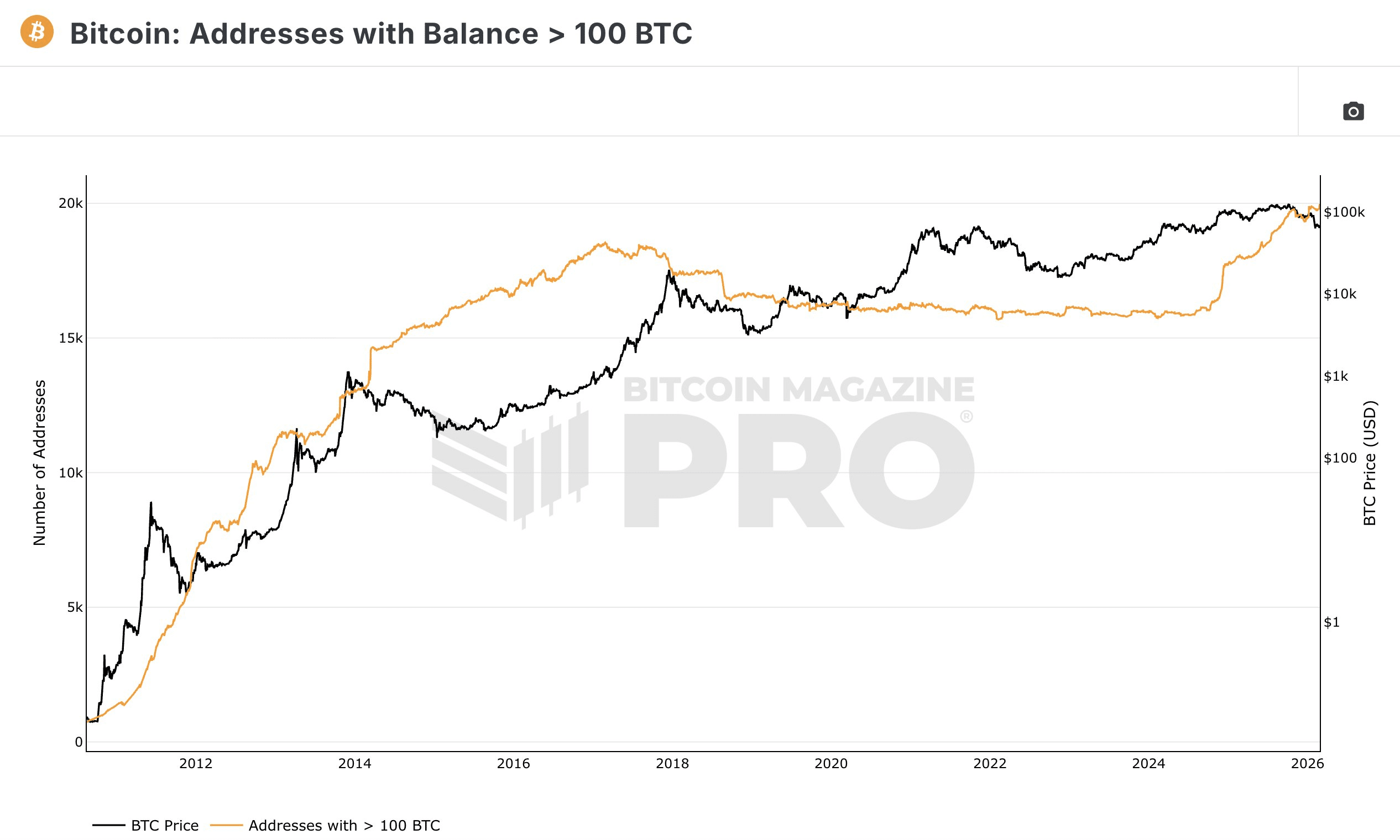
Bitcoin whale addresses holding 100 BTC hit ATH – Strategic play for H2 rally?
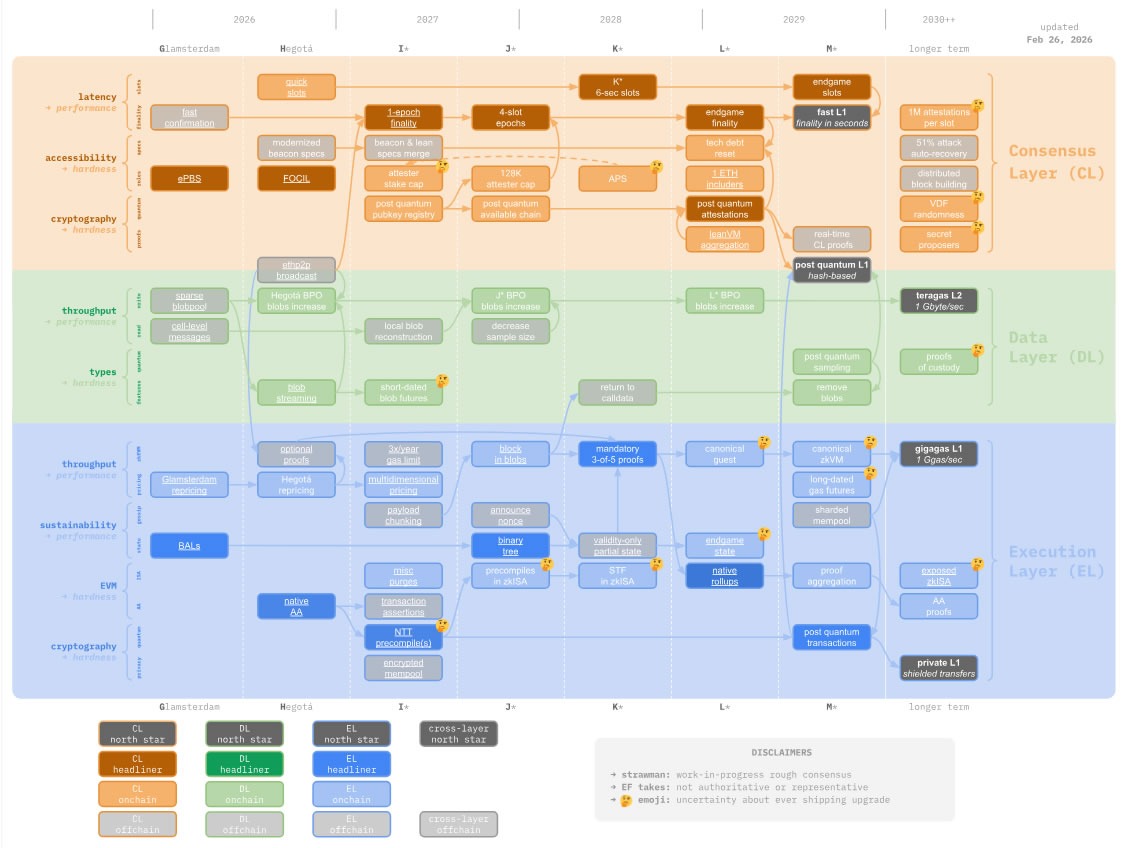
Ethereum smart accounts are finally coming 'within a year' — Vitalik Buterin
涉嫌滥用分类广告主导地位!Meta遭欧盟罚款7.98亿欧元

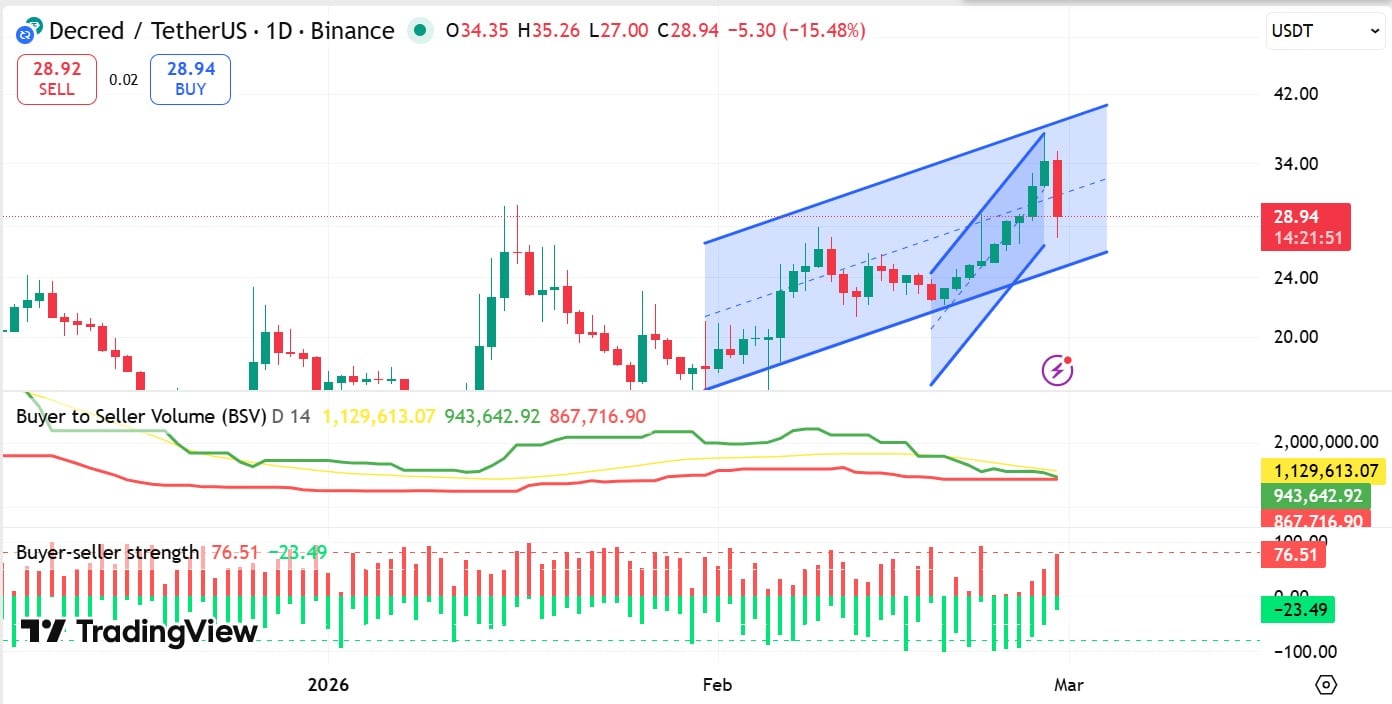
Analyzing Decred’s post-selloff state – Is $24 or $35 next for DCR?
Trending news
MoreCrypto prices
More





