
Media Industry Rotation: Evaluating the Netflix and Paramount Acquisition Contest for Investment Portfolio Strategy

Warner Bros. Discovery Takeover: Strategic Choices and Market Impact
The competition to acquire Warner Bros. Discovery has become a pivotal event, driving significant shifts within the media sector. At the heart of this contest are two contrasting strategies: Netflix is pursuing a straightforward, all-cash purchase focused on streaming assets, while Paramount is making a more ambitious, all-cash offer for the entire media conglomerate. This scenario presents institutional investors with a clear decision—opt for a stable, cash-rich acquisition or take a calculated risk on a complex turnaround involving legacy media assets.
Netflix’s Approach: Certainty and Simplicity
Netflix’s bid stands out for its clarity and lower risk. The company has secured funding for its all-cash offer of $27.75 per share, maintaining the same terms as its initial proposal. Finalized in January, this deal provides immediate value for WBD shareholders and accelerates the approval process. With a total value of approximately $82.7 billion, Netflix’s offer gives investors a defined premium over the current trading price of $29.15, minimizing uncertainty.
Paramount’s Proposal: Higher Premium, Greater Complexity
Paramount’s revised offer raises the stakes with a $31 per share bid for all of Warner Bros. Discovery, including the planned Discovery Global spin-off. While this represents a higher headline premium, it introduces significant uncertainty. Paramount has passed an initial regulatory waiting period, but Netflix points out that this is not final approval. Paramount is still addressing a second information request from the DOJ, and the deal faces a lengthy regulatory process. Paramount’s offer also includes a $7 billion break-up fee and a $2.8 billion termination fee payable to Netflix if the deal falls through, adding further financial complexity.
Evaluating Risk, Quality, and Return
This takeover battle is not just about price—it’s a test of risk-adjusted returns and company quality. For institutional investors, the preference often leans toward firms with robust balance sheets, reliable cash flows, and minimal execution risk, all of which favor Netflix’s proposal. Paramount’s bid, however, brings additional structural costs that could erode this quality advantage.
- Paramount’s offer includes a $7 billion break-up fee and a $0.25 per share quarterly ticking fee starting after September 30, which increases the deal’s cost if delayed.
- Both deals are under regulatory scrutiny, but Netflix’s bid faces national security concerns, with eleven U.S. state attorneys general urging a thorough DOJ review. Paramount’s more leveraged approach faces its own regulatory hurdles, and the ticking fee structure magnifies the cost of any delay.
For portfolio managers, Netflix’s straightforward, asset-focused deal offers a more predictable and lower-risk path to value. Paramount’s more complex proposal introduces higher execution risk and known costs if the process drags on. Investors seeking quality and reduced risk are likely to favor Netflix’s approach.
Sector Rotation and Valuation Considerations
The board’s review of Paramount’s improved bid introduces short-term uncertainty for Netflix’s offer, but the all-cash structure remains a significant advantage. Warner Bros. Discovery has acknowledged that Paramount’s $31 per share bid could be superior, giving Netflix four days to respond. This creates an auction-like environment, with Netflix under pressure to match or exceed the higher premium. However, Paramount must now secure financing for a larger, more leveraged transaction, which brings additional risks.
The main distinction lies in the scope of the assets involved. Netflix is targeting only the studio and streaming divisions, making for a focused acquisition. Paramount, in contrast, aims to acquire all of Warner Bros. Discovery’s assets, including cable networks and the Discovery Global spin-off. This difference will shape the future of the media industry: a Netflix win could drive further consolidation in streaming, while a Paramount victory would maintain a larger, more complex conglomerate.
Ultimately, the outcome will depend on how quickly each deal can clear regulatory and financial obstacles. Netflix faces political and antitrust challenges, while Paramount’s deal is subject to a lengthy review. Delays could make Paramount’s ticking fee and higher premium more attractive, but the certainty of Netflix’s offer remains a strong counterbalance.
Key Catalysts and Scenarios for Investors
The immediate trigger is a strict deadline: Warner Bros. Discovery has given Netflix four days to respond to the board’s view that Paramount’s offer may be superior. Netflix must decide by March 4 whether to revise its proposal. The market is watching closely to see if Netflix will increase its bid or walk away.
Valuation hinges on the premium over Netflix’s current share price. Paramount’s $31 per share offer is about 6.7% above the current trading price of $29.15. However, the higher premium comes with greater complexity and execution costs, while Netflix’s original offer is a lower-risk, all-cash deal for a focused asset.
The main risk is a delayed closing, which would trigger Paramount’s ticking fee starting after September 30, 2026. Prolonged regulatory reviews—whether for Netflix’s national security concerns or Paramount’s antitrust issues—would increase the total cost of the Paramount deal and impact risk-adjusted returns.
- If Netflix quickly matches or exceeds the $31 offer, the deal path stabilizes and supports the streaming consolidation narrative.
- If the deal is delayed past the ticking fee trigger, Paramount’s higher premium becomes more costly, potentially forcing the board to reconsider.
- If Netflix overcomes regulatory challenges, the quality factor trade is validated, and execution risk is reduced.
In summary, the final outcome will depend on which proposal can clear regulatory and financial hurdles most efficiently, with Netflix’s certainty and quality facing off against Paramount’s higher premium and complexity.
Disclaimer: The content of this article solely reflects the author's opinion and does not represent the platform in any capacity. This article is not intended to serve as a reference for making investment decisions.
You may also like
QSR Shares See Modest Rise Following Strategic Shift and Analyst Upgrades, Even as Trading Volume Ranks 463rd
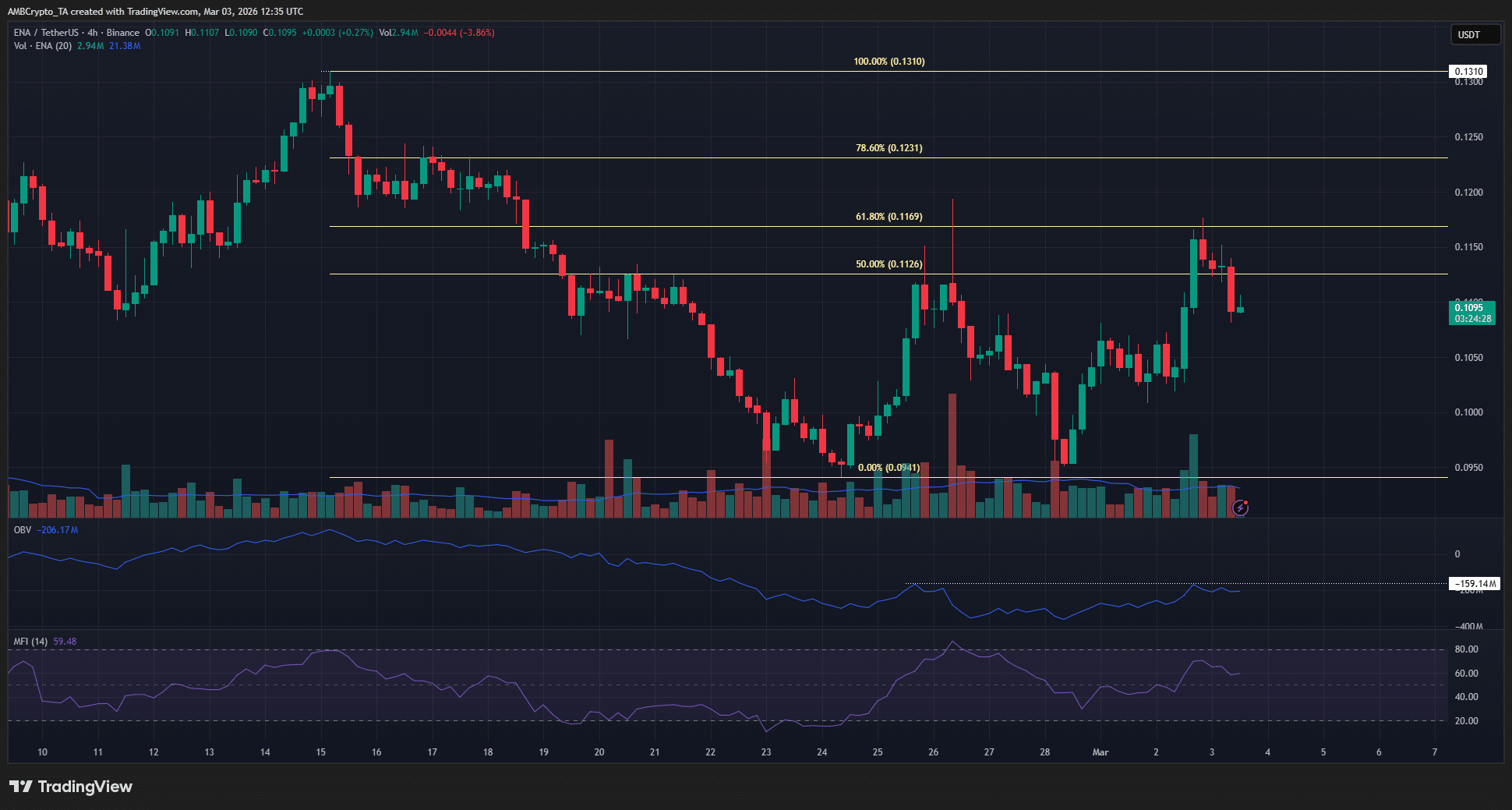
Ethena’s retracement rally, explained: Heavy volume, light conviction
DTE Energy Experiences 56% Jump in Volume, Moving Its Stock to 490th Place in Daily Trading Rankings
ASE Technology's 7.81% Plunge Amid Earnings Miss and Institutional Splits as $320M Volume Surges to Rank 446th
Trending news
MoreCrypto prices
More





