
Port Houston achieves best-ever January driven by export growth; Corpus crude experiences decline

Port Houston Achieves All-Time High in January Container Traffic, Driven by Export and Resin Demand
Port Houston began 2026 with its most active January ever for container throughput, fueled by a surge in petrochemical exports, expanded resin packaging operations, and increased refrigerated shipments moving through the Houston Ship Channel.
In January, the port processed 370,034 TEUs (twenty-foot equivalent units), marking a 4% rise from the previous year and setting a new record for the month.
Both loaded imports and exports climbed 5% year-over-year, with outbound shipments of petrochemicals and resins remaining the primary contributors to container volume growth.
During the Port Commission meeting on February 19, port officials highlighted the robust performance across the channel to start the year.
“We saw a strong kickoff in January. Overall vessel activity at the port increased by 2% compared to last year, which itself was a strong year,” said Ryan Mariacher, chief port operations officer, during Tuesday’s commission session.
Mariacher noted that January set a new benchmark for container activity, with over 370,000 TEUs handled and notable expansion at both the Bayport and Barbours Cut container terminals.
Growth in Resin Shipments and Cold-Chain Logistics
Port Houston is responsible for about 60% of all U.S. resin exports, a share expected to grow as new packaging facilities come online.
The first phase of Packwell’s 725,000-square-foot resin packaging plant near the Bayport Container Terminal was recently finished, introducing rail-served unloading, advanced packaging lines, and warehousing adjacent to the marine terminal.
Port representatives believe this new capacity will help lower costs and enhance connections to international shipping lines.
Refrigerated (reefer) container traffic has also been on the rise. In 2025, reefer volumes jumped 13%, supported by established cold-chain systems and USDA-APHIS cold-treatment certification, which allows certain perishables to be treated during transit.
Commercial leaders reported a “significant increase in demand” from retailers for both refrigerated imports and exports.
Increases in Truck, Vessel, and Overall Cargo Tonnage
CEO Charlie Jenkins explained that rising demand is translating into higher activity throughout the port’s terminals and the channel.
“We’re experiencing strong demand at both public container terminals and across a diverse range of cargo moving through Houston. This is reflected in our operations, including a single-day record of 16,438 truck transactions at our container terminals in January,” Jenkins stated.
He also mentioned that vessel traffic along the Houston Ship Channel is off to a steady start in 2026, with ship arrivals up by 2%.
Port Houston’s Overall Cargo and Commodity Trends
Across all cargo types, Port Houston moved 4.5 million short tons in January, representing a 6% increase from the same month last year.
General cargo volumes surged by 27% during the month, while steel imports dropped 35% to 213,653 short tons, reflecting reduced drilling activity as indicated by the Baker Hughes rig count.
Port of Corpus Christi: Crude Oil Declines, Overall Cargo Rises
Elsewhere on the Texas coast, the Port of Corpus Christi reported mixed results for energy shipments but saw overall cargo volumes grow in January.
The port handled 18 million tons of freight during the month, a 6.5% year-over-year increase compared to January 2025.
Crude oil movements fell by 9.5% to 10.46 million tons, with exports down 10% to 9.8 million tons. In contrast, petroleum shipments rose 28% to 5.9 million tons, and petroleum exports increased 36% to 4.6 million tons.
Dry bulk cargo expanded by 40% to 782,371 tons. Bulk grain shipments soared 5,443%, driven by a single outbound movement of 432,754 tons in January. Chemical bulk cargo also saw significant growth, rising 55% to 312,584 tons.
The port managed 402 barge calls in January, up 2% from the previous year, while ship calls increased 18% to 224.
Disclaimer: The content of this article solely reflects the author's opinion and does not represent the platform in any capacity. This article is not intended to serve as a reference for making investment decisions.
You may also like
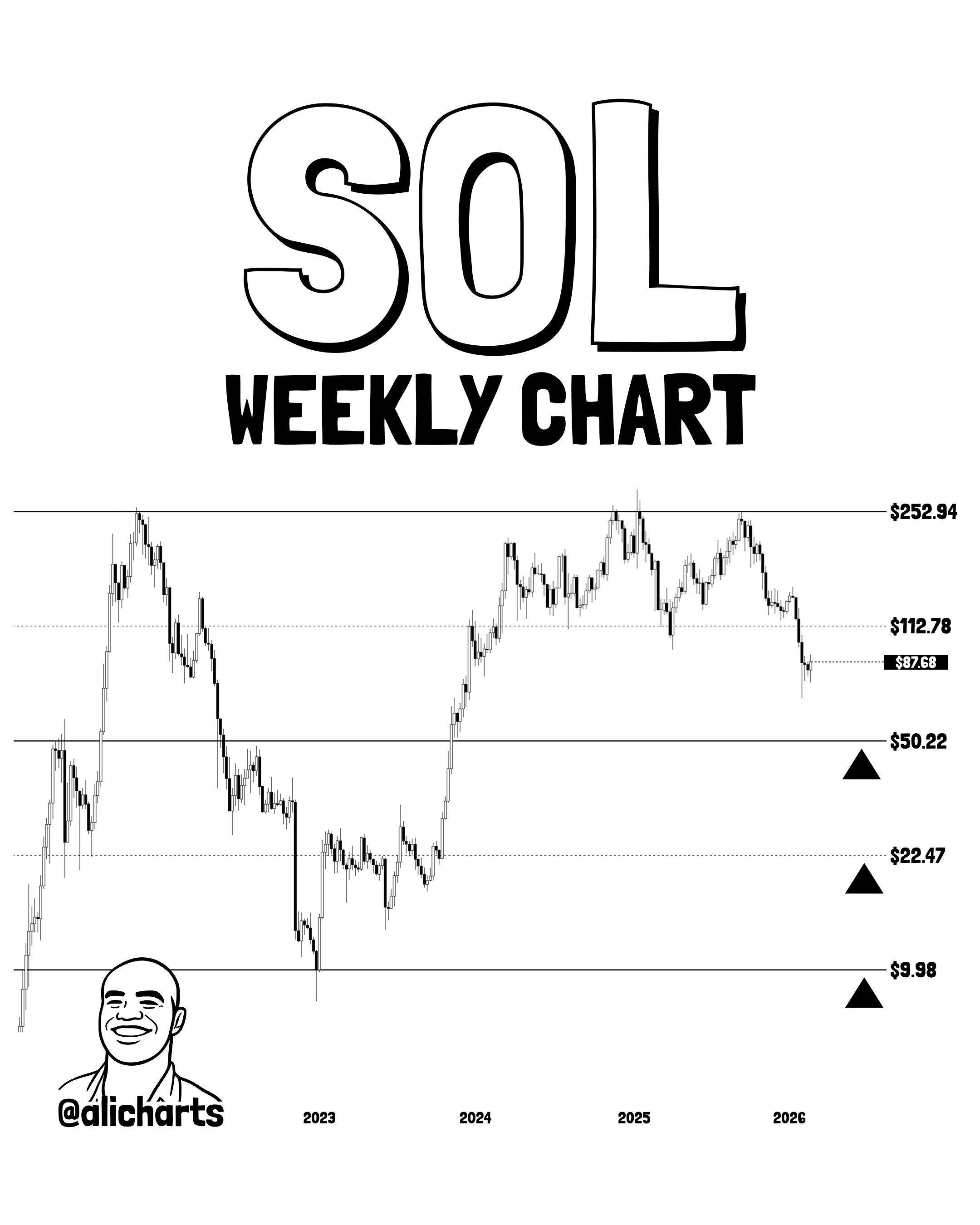
Solana’s Next Major Support Levels Sit At $50, $22, And $10: Analyst
BCE’s Approach to Strategy: Portfolio Allocation Insights Prior to the Morgan Stanley TMT Conference
Lithium manufacturer SQM anticipates worldwide demand to increase by 25% in the current year
Trending news
MoreCrypto prices
More





