
American Bitcoin Faces $59 Million Deficit: Tracking Mining Operations, Acquisition Activity, and Market Drivers

Understanding the Financial Dynamics: Accounting Losses vs. Cash Position
American Bitcoin's financial results highlight the distinction between non-cash accounting adjustments and actual cash flow. The company reported a $59 million loss in the fourth quarter, which was almost entirely due to a $227 million non-cash fair-value adjustment. This adjustment stemmed from a 23% decline in bitcoin prices during the quarter, reflecting mark-to-market accounting rather than real cash outflows.
Capital Raising and Strategic Growth
To support its dual approach of mining and accumulating bitcoin, American Bitcoin raised $150.5 million through a stock offering in the fourth quarter. This new capital significantly increased the company's bitcoin holdings per share by nearly 50%, bringing its reserves to over 6,000 BTC. Additionally, the company has a broader $240 million at-the-market program in place, ensuring it has the liquidity needed to maintain its strategy even during periods of price volatility.
In summary, while the reported accounting loss appears large, the company has secured the necessary cash to continue its operations. The recent equity raise provides the resources for both mining and direct bitcoin purchases, while the ATM program offers further financial flexibility for future needs.
Mining Operations: Cost Advantage and Efficiency
American Bitcoin's mining activities offer a significant structural advantage in capital deployment. In the fourth quarter, the company mined 783 bitcoins at an average cost of $46,900 per coin, representing a 53% discount compared to the market price during that period.
This cost efficiency is achieved through a scalable, asset-light model. The company maintained an installed capacity of around 25 exahash per second, focusing on operational efficiency and strategic partnerships rather than aggressive expansion. This approach allows for predictable, low-cost bitcoin production.
Ultimately, mining serves as a self-sustaining engine for accumulating bitcoin. Each dollar spent on operations yields bitcoin that is worth considerably more on the open market, providing a consistent advantage that supports the company’s strategy of building a substantial, low-cost reserve.
Market Catalysts and Potential Risks
Recent market volatility has been driven by a rapid unwinding of leveraged positions. Over the past week, bitcoin prices fell nearly 10%, approaching the $60,000 level. This decline was primarily caused by a sharp reduction in market leverage, as evidenced by a more than 20% drop in futures open interest within a week. The speed of this move was notable, with a -6.05σ rate-of-change Z-score on February 5, marking one of the fastest single-day declines in cryptocurrency history.
This environment may set the stage for a potential rebound, as technical indicators suggest the $60,000 level is a key support zone. While the selloff has coincided with miner capitulation, the orderly reduction in leverage indicates that the worst of the forced selling could be over. For American Bitcoin, this volatility presents both challenges and opportunities: it reduces the unrealized value of its bitcoin reserves but may also offer attractive entry points for further accumulation.
The main risk lies in a prolonged drop below $60,000. A decisive move lower could trigger additional selling by miners and intensify bearish sentiment, putting pressure on the company’s financial position. However, American Bitcoin’s $240 million at-the-market program provides a substantial financial cushion, allowing it to continue its dual accumulation strategy despite short-term market fluctuations. Although the stock has experienced a 90% decline from its September peak, the company’s liquidity position remains strong enough to support its ongoing plans.
Disclaimer: The content of this article solely reflects the author's opinion and does not represent the platform in any capacity. This article is not intended to serve as a reference for making investment decisions.
You may also like
Ripple CEO: Gary Gensler Apologizes to Ripple (XRP), Says “Sorry, I Was Wrong”
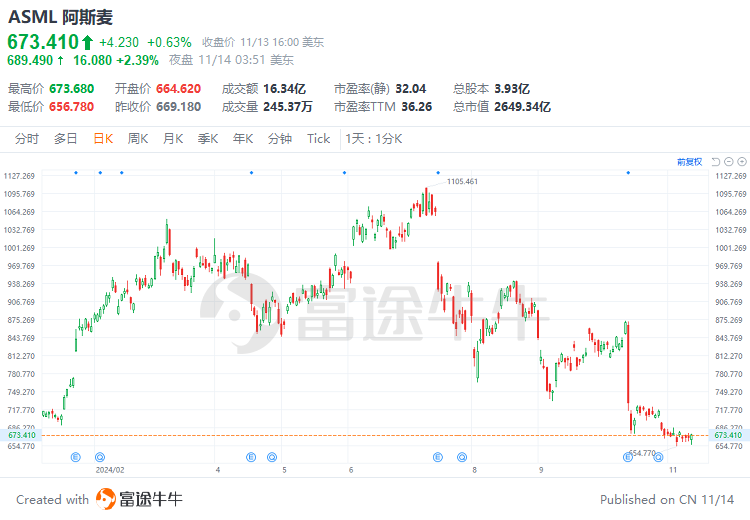
AI需求依然强劲,ASML预计未来五年销售增长率平均为8%-14%
The Saturday Spread: Leveraging a Lesser-Known Signal to Evaluate Genuine Market Risk
Ripple Releases Whitepaper for Banks to Buy and Sell Crypto
Trending news
MoreCrypto prices
More





