
Novo Nordisk's Shares Fall 1.42% After Failed CagriSema Trial Ranks 80th in Market Activity Amid Eli Lilly's Tirzepatide Surge

Market Snapshot
Novo Nordisk (NVO) experienced a 1.42% decline in its stock price on February 26, 2026, reflecting continued pressure following recent setbacks in its obesity drug pipeline. Trading volume for the day totaled $1.31 billion, a 37.51% drop from the previous day, ranking the stock 80th in market activity. The decline follows a sharp 16.43% drop in American Depositary Receipt (ADR) prices on February 23 after the company announced that its experimental drug, CagriSema, failed to demonstrate non-inferiority to Eli Lilly’s tirzepatide in a phase 3 trial. The stock’s performance underscores investor concerns over competitive dynamics in the GLP-1 market and regulatory scrutiny.
Key Drivers
The primary catalyst for NovoNVO-1.42% Nordisk’s recent stock decline was the disappointing results from its CagriSema trial. The phase 3 REDEFINE 4 study, announced on February 23, showed that patients on CagriSema achieved 23% weight loss over 84 weeks, compared to 25.5% for tirzepatide. This failure to meet non-inferiority standards in a head-to-head comparison with Lilly’s blockbuster drug has raised questions about Novo’s ability to maintain its market leadership in obesity treatments. The trial outcome directly impacted investor sentiment, triggering a sharp sell-off and prompting legal scrutiny.
A parallel development contributing to the stock’s decline was the announcement of a class-action investigation by Pomerantz LLP. The firm is probing whether Novo NordiskNVO-1.42% and its executives engaged in securities fraud or other unlawful practices. The investigation was triggered by the February 23 trial results, with the firm alleging that the company may have misled investors prior to the announcement. This legal uncertainty has added to market volatility, as investors reassess risk exposure in a sector where regulatory and competitive pressures are intensifying.
The broader competitive landscape in the GLP-1 market further exacerbates Novo Nordisk’s challenges. Eli Lilly’s tirzepatide-based products, Mounjaro and Zepbound, have outpaced Novo’s Ozempic and Wegovy in U.S. prescriptions, capturing market share with superior efficacy data. The trial results highlight Novo’s struggle to differentiate its offerings in a rapidly evolving therapeutic category. Analysts note that Lilly’s revenue growth has accelerated to 31.7% year-to-date, compared to Novo’s 20.4%, underscoring the widening gap in competitive positioning. This trend has led to downward revisions in earnings forecasts for Novo, with Wall Street now projecting flat EPS growth through 2028.
Compounding these challenges is Novo’s announcement of further price cuts for Wegovy in 2027, driven by U.S. government pressure to reduce healthcare costs. The company plans to reduce prices by up to 50%, a move expected to significantly impact revenue. While Novo remains a highly profitable entity with a 33.14% profit margin, the combination of pricing erosion, patent expirations for key products, and R&D delays has dampened long-term growth expectations. Investors are now pricing in a scenario where Novo’s market capitalization reverts to pre-GLP-1 boom levels, with its current P/E ratio of 10.36 reflecting a significant discount to its historical valuation.
Finally, the stock’s decline is also influenced by macroeconomic factors, including the broader pharmaceutical sector’s sensitivity to regulatory and reimbursement dynamics. Novo’s partnership with Vivtex to develop oral obesity drugs represents a strategic pivot, but the timeline for commercialization remains uncertain. Meanwhile, Lilly’s strong product pipeline and premium pricing power have reinforced its market dominance, leaving Novo to contend with a dual threat of losing market share and facing margin compression. These interlocking pressures suggest that Novo’s path to regaining growth will require not only successful clinical trials but also a reinvigoration of its competitive edge in a market increasingly defined by innovation and pricing discipline.
Disclaimer: The content of this article solely reflects the author's opinion and does not represent the platform in any capacity. This article is not intended to serve as a reference for making investment decisions.
You may also like
Vonage at MWC 2026: Creating the 5G Business Platform Foundation
Ford vs. Ferrari: A Practical Perspective
She became part of Block to work on AI projects. Just a few weeks after, AI led to her losing her position.
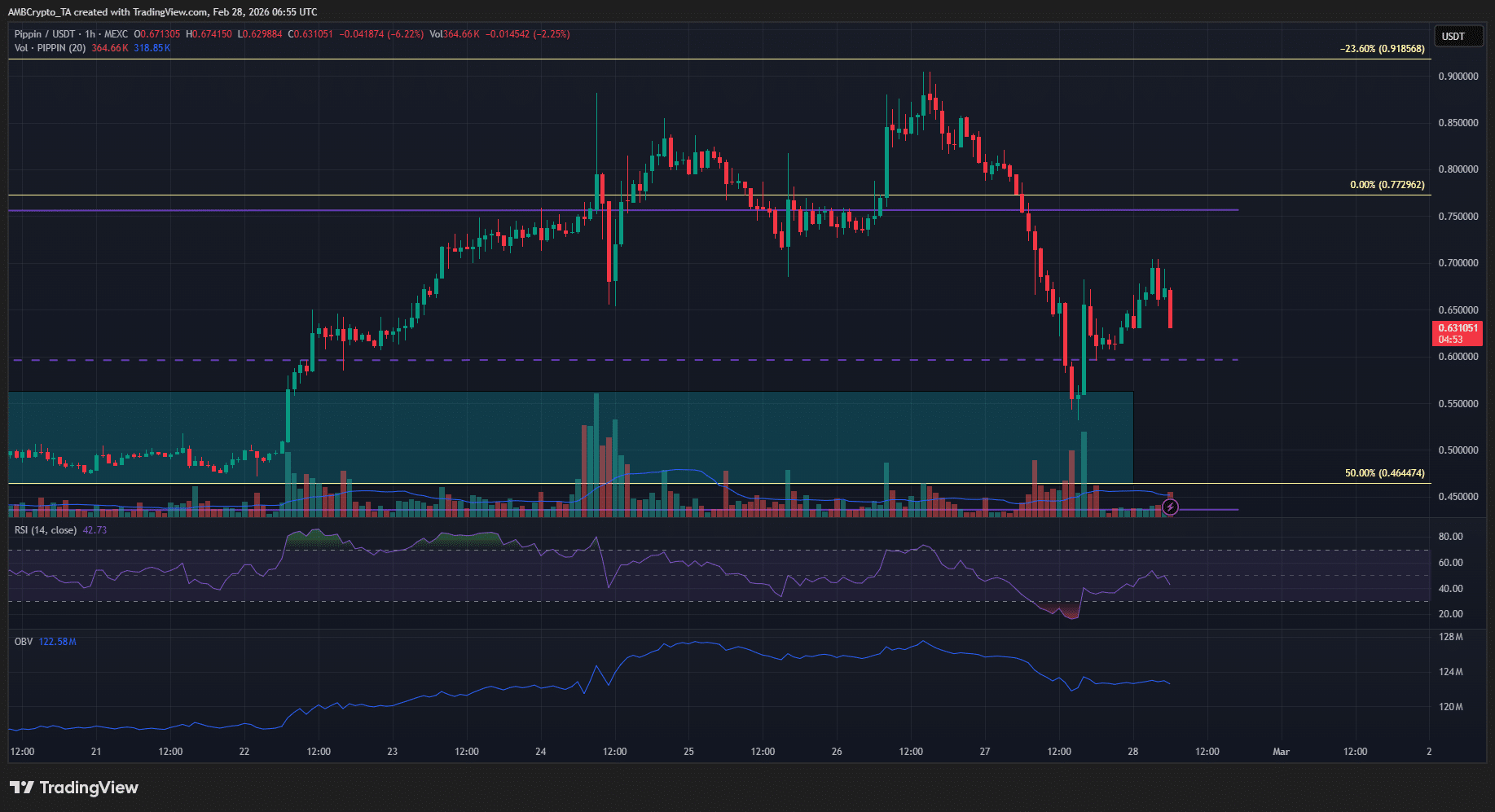
PIPPIN retraces after false breakout: Should traders buy or sell?
Trending news
MoreCrypto prices
More





