
This analyst claims the S&P 500 has 'plummeted beneath the surface.' Here’s what a hidden correction indicates.

Main Insights
-
Mike Wilson from Morgan Stanley highlighted that the gap in performance between the top 50 and bottom 50 stocks is now even larger than it was during the financial crisis of 2008.
-
A key issue now is whether the S&P 500 index itself will need to decline further to finish the ongoing correction.
According to a leading strategist, the market is experiencing a hidden correction beneath the surface.
Mike Wilson, Morgan Stanley’s chief U.S. equity strategist, explained in a Thursday interview with CNBC that while the S&P 500 index appears relatively stable, many individual stocks have suffered significant declines. He cautioned investors not to overlook the fact that, despite the index’s calm appearance, individual stock prices have been far more volatile, with some experiencing dramatic swings.
In recent months, the S&P 500 has traded within a narrow range, often gaining one day only to lose ground the next. This pattern was evident on Thursday, as both the S&P 500 and the Nasdaq retreated after strong advances earlier in the week. Although Wilson does not predict a bear market—his baseline forecast sees the S&P 500 rising 13% from current levels—he advises investors to remain alert for potential downside risks in the coming six weeks.
Why This Is Important for Investors
In the short term, investors may need to focus on individual stocks rather than the overall market. While the S&P 500’s performance has been relatively flat this year, experts believe that the action within individual stocks points to an ongoing correction.
One sign of this correction is the unusually wide gap in returns among stocks, known as dispersion. Wilson noted, “The difference in performance between the top 50 and bottom 50 stocks so far this year is 68%—the largest gap seen in two decades.”
Wilson estimates that 70% to 80% of the correction at the individual stock level has already occurred. However, he raises the question: does the overall index need to decline further to complete the correction before a potential rally later in the year?
The notion of a quiet market downturn may not comfort those who have watched certain sectors, such as technology, struggle amid fears about artificial intelligence and other concerns. Still, Wilson believes the best opportunities now lie in stocks that have already been hit hard, rather than those that have outperformed.
Overall, Morgan Stanley maintains a positive outlook for U.S. stocks. The firm’s base case year-end target for the S&P 500 is 7,800. Wilson remains optimistic, especially for the latter half of the year—if corporate earnings surpass expectations, he anticipates that investors could return to the market.
Disclaimer: The content of this article solely reflects the author's opinion and does not represent the platform in any capacity. This article is not intended to serve as a reference for making investment decisions.
You may also like
Crescent Capital BDC: Has the Drop in NAV Already Been Reflected in the Price?
Developer: These Millions In XRP Will Turn to Billions Very Quickly. Here’s why
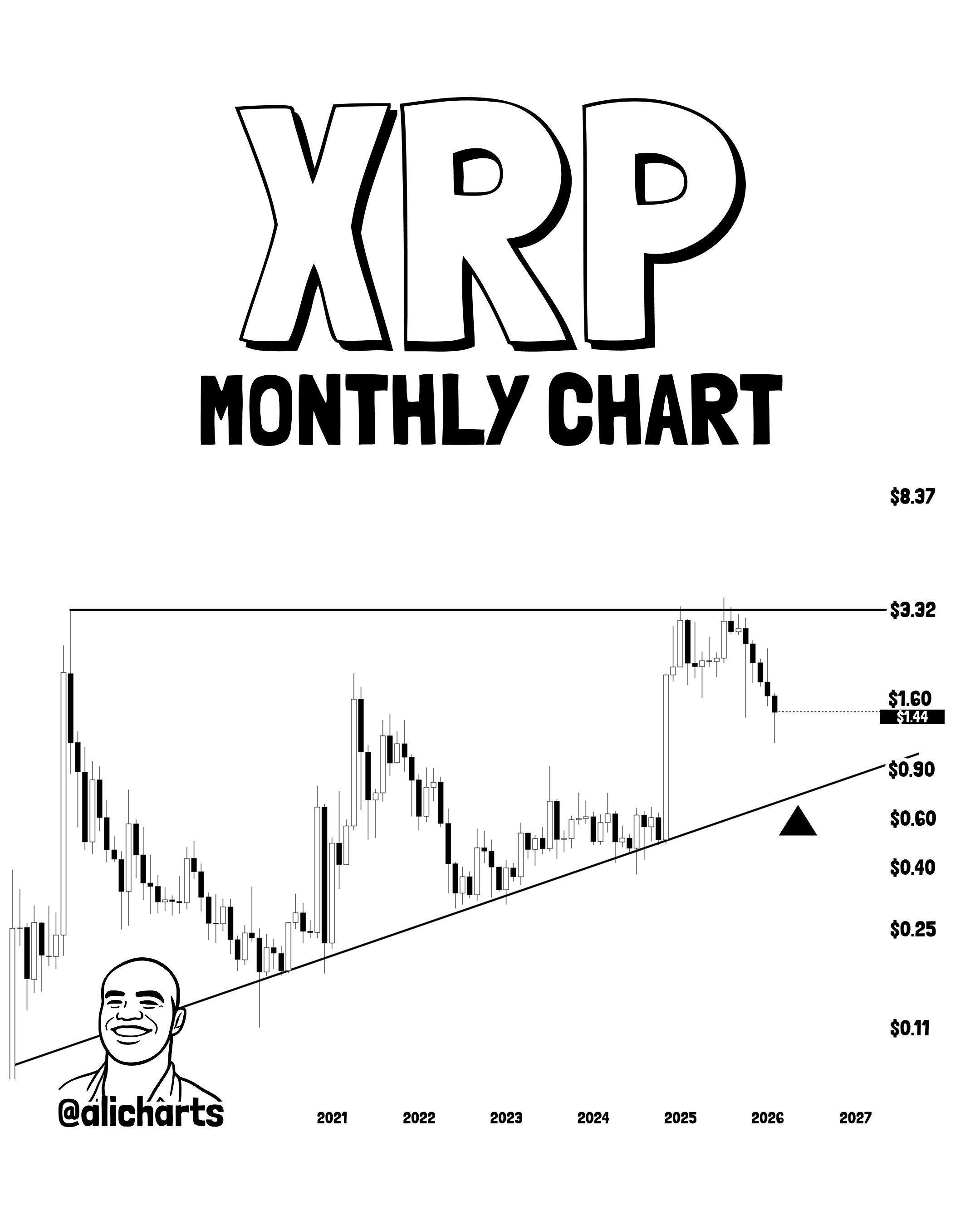
XRP Triangle Could Point To Support Between $0.60 And $0.90
Lithuania’s Industrial Output Turns Negative for First Time Since 2022
Trending news
MoreCrypto prices
More





