
The sports IP industry can’t defend itself against AI without blockchain

Opinion by: Tom Mizzone, founder and CEO of Sweet
The video is perfect. A moment of magic indelibly captured as an NBA star executes a behind-the-back crossover, finishing with a physics-defying three-pointer from downtown. Instant virality ensues, racking up 50 million views in hours. Fans go wild, brands pile in, and the moment is sliced into 1,000 social media remixes.
There’s just one problem. It never happened.
When the clip was released, the player was at home, the arena was a digital render, and the entire sequence was generated by an AI studio, using a decade of the star athlete’s biometric and performance data scraped from unlicensed online sources.
The views are real, and the engagement is massive. But the revenue — the ad revenue and the sponsorship fees — flows to the content creator, the AI studio they used to create it, and the platform it’s viewed on, completely bypassing the league, the team and the athlete.
This is the decoupling of reality from revenue. In 2026, this use of AI is the single greatest threat to the sports IP industry, with blockchain being the only solution.
From scarcity to synthetic abundance
For a century, the sports economy has been a fortress built on the sanctity of the official record. Broadcasters paid billions for exclusive rights because there was only one authentic feed. Sponsors paid premiums because there was only one real LeBron dunk, one Messi goal or one Super Bowl-winning touchdown. That assumption is now breaking down.
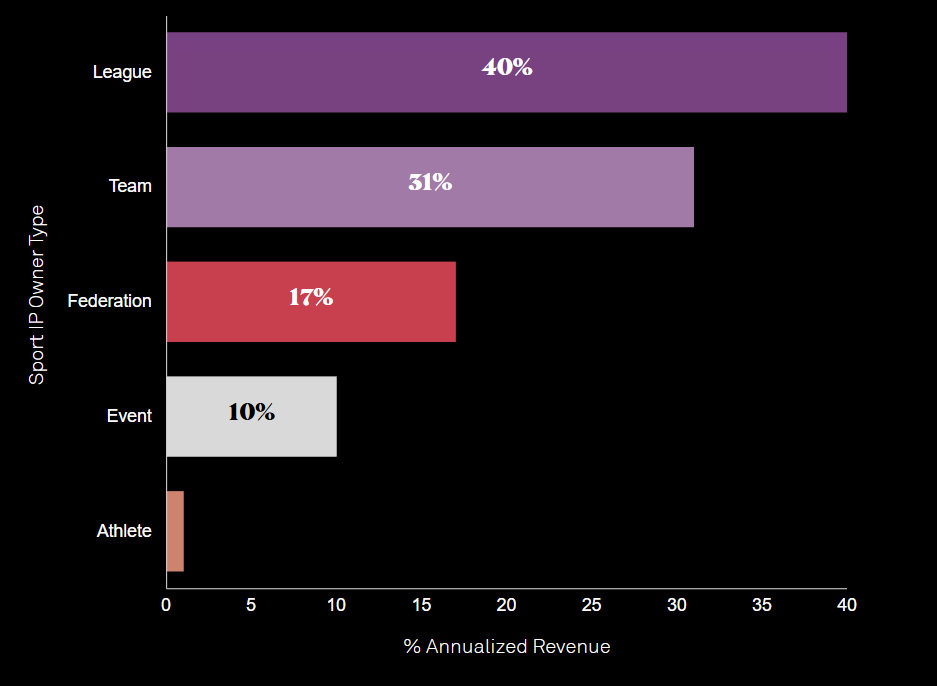
Sports intellectual property (IP) has always worked because scarcity took care of the enforcement. There was only one official broadcast feed, only one archive of record and only one legitimate highlight reel. That created a natural moat around licensing and monetization.
 Source:
Two Circles
Source:
Two Circles
Downstream digital platforms still threaten scarcity for broadcasters, but leagues have been able to band-aid the threat through additional licenses — or at least they were until generative AI demolished those temporary patches.
We’re now entering an era of synthetic abundance, where AI can create official-looking content faster than any league can litigate it. In many jurisdictions, AI-generated derivatives sit in legal gray zones that make clean enforcement even harder.
We’ve already seen the first tremors. Back in 2024, NBC’s AI-cloned Al Michaels narrated Olympic recaps with startling accuracy. While that was a controlled, licensed experiment, it proved the technology works.
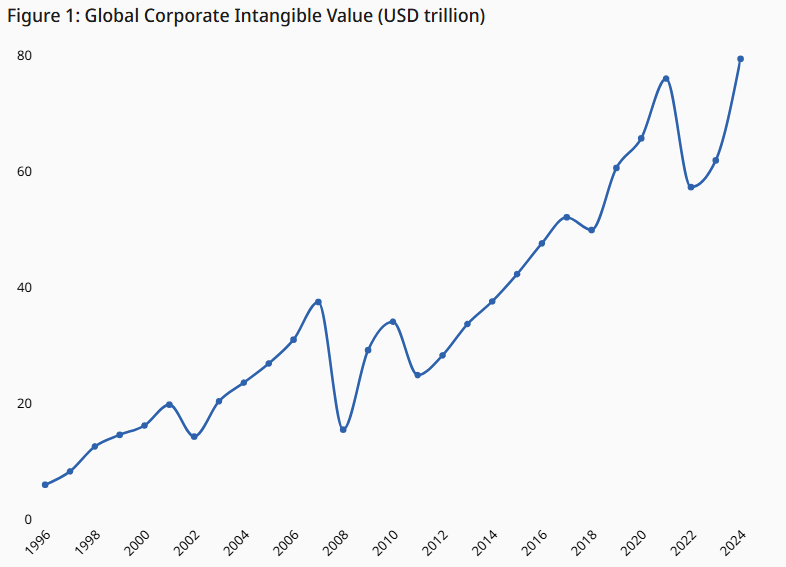
Today, we’re encountering the uncontrolled version: an $80-trillion global market for intangible assets — brands, IP and likenesses — being crawled and remixed by models that don’t ask for permission.
 Source:
World Intellectual Property Organization
Source:
World Intellectual Property Organization
If the annual $200-billion sports IP market doesn’t adapt, it will be disintermediated by AI studios that can simulate on- and off-field content using fragments of copyrights faster and at a greater scale than traditional systems can track and monetize. The solution isn’t more licensing or costly enforcement to police content that will be generated at machine speed anyway. The only viable solution requires establishing a new kind of consumptive rights infrastructure and fast: It’s called blockchain.
Blockchain as the source of truth infrastructure solution
Blockchain can prove who supplied the information, how much of the information, to what platform, what revenue came from it and when. Which is just as valuable. Music industry executives, record labels and mechanical rights holders already have a similar framework to ensure accurate royalty payments. Blockchain extends this capability to the sports industry, placing it on a transparent ledger that anyone can view and verify.
Traditional watermarking can be scrubbed, and legacy licensing contracts move at the speed of paper. Blockchain provides a scalable and immutable ledger that proves when an event happened and who was involved.
Related: Live matches as gameplay: Interactive sport moves onchain
The benefits of doing so go beyond merely fighting AI fakes. Registering official league IP onchain makes it programmable IP, extending its utility and increasing the revenue it has the potential to generate.
When every highlight and official athlete likeness is watermarked with a cryptographic proof of origin on the blockchain, it can be reused and remixed, but now the royalties trickle back to the individuals and organizations involved.
From enforcement to capturing long-tail fandom
This isn’t simply about rights enforcement; it’s about unlocking creativity. Verified, programmable sports IPs give creators access to high-quality source material they can legally remix and extend without fear of takedowns or platform penalties. Fans can engage more often with their favorite teams and athletes and get better and more personalized experiences, rights holders get paid, and innovation accelerates because licensing and attribution are built into the content itself.
The long tail of synthetic sports content, including hypothetical matchups and personalized fan moments, could easily grow into a market worth tens and eventually hundreds of billions of dollars. Today, most of that value leaks out to creators and platforms operating outside formal licensing structures.
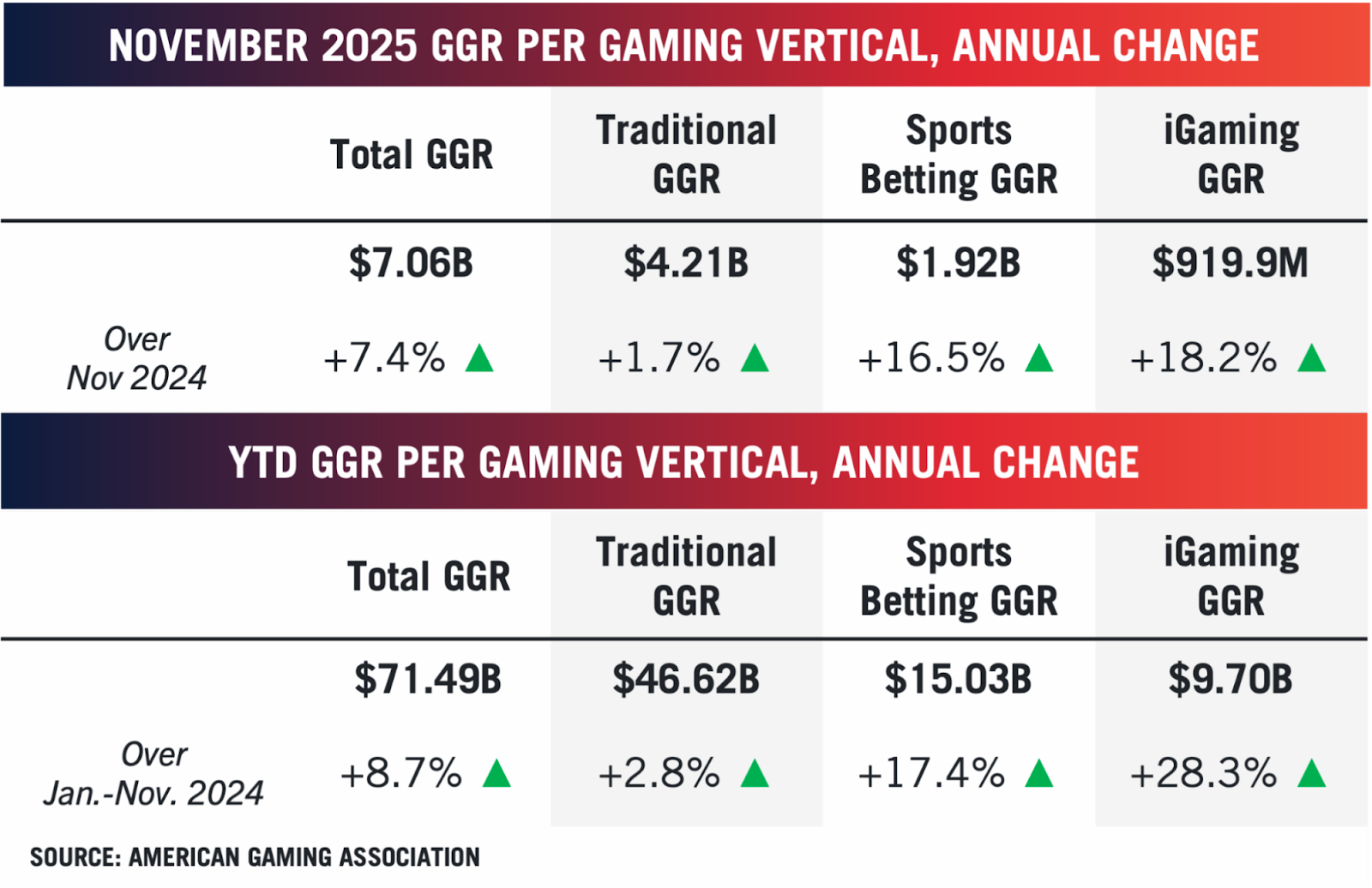
Meanwhile, the economic stakes are enormous. Sports IPs alone generate $160 billion-$180 billion annually from media rights and licensing before factoring in fast-growing segments such as sports betting data and predictive markets.
 Source:
American Gaming Association
Source:
American Gaming Association
Sports can spend the next decade fighting a losing battle against AI-derivative content, or the industry can leverage its existing Web3 partners to help them quickly and safely move into offensive mode.
You don’t have to be a technologist to appreciate this; you simply need to be a realist. The reality is that — licensed or unlicensed — sports fans are going to remix and render to their hearts’ content. Might as well make it official.
Opinion by: Tom Mizzone, founder and CEO of Sweet.
Disclaimer: The content of this article solely reflects the author's opinion and does not represent the platform in any capacity. This article is not intended to serve as a reference for making investment decisions.
You may also like
Aspen Aerogels: A Value Investor’s Perspective on a Market Correction and Competitive Advantage
Why Has Tesla (TSLA) Dropped 1.9% Following Its Most Recent Earnings Announcement?
ServiceNow (NOW) Has Fallen 6.4% Since Previous Earnings Release: Is a Recovery Possible?
Trending news
MoreCrypto prices
More





