
UK aerospace titan capitalizes on surge in defence budgets to develop lethal drones

GKN Aerospace Shifts Focus to Advanced Military Drones
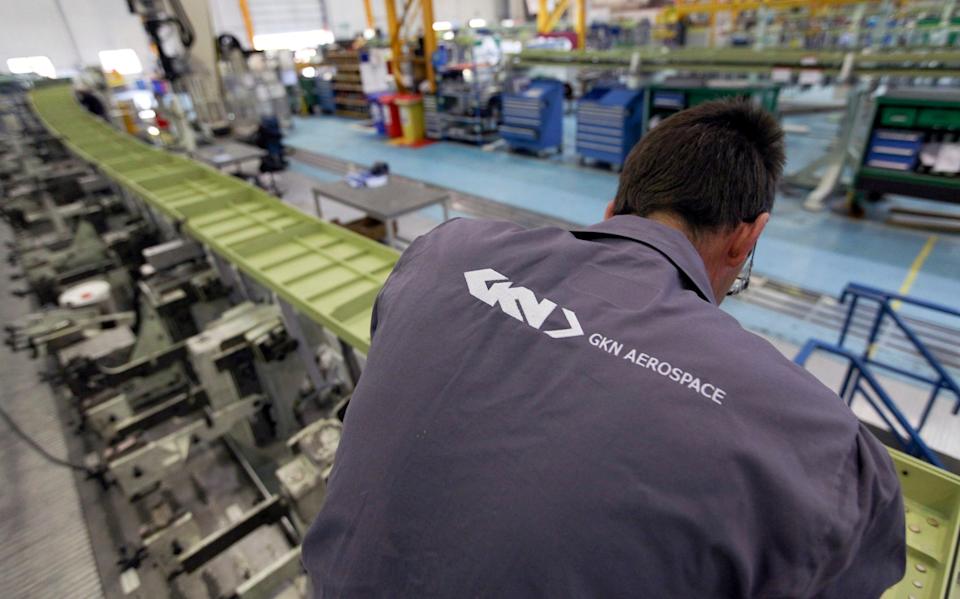
GKN Aerospace is set to enter the combat drone market, aiming to benefit from the surge in European defence investments.
Traditionally recognised for its expertise in manufacturing aircraft fuselages, wings, and engines, GKN is now pivoting towards unmanned military aviation as Western nations increase their defence capabilities.
This strategic move comes as industry giants like Airbus and Boeing face ongoing supply chain disruptions, which have slowed their aircraft production and impacted GKN’s commercial aerospace operations.
Several other companies have also begun exploring military opportunities as the UK and Europe boost their defence budgets.
Earlier this month, Airbus announced plans to expand its military business. The trend is not limited to aerospace; for example, Porsche is considering entering the defence sector as Germany increases its military spending.
The rapid evolution of drone technology has become a major growth area in defence, especially after their effective use in the Ukraine conflict.
GKN’s focus is on developing larger unmanned aircraft, known as “loyal wingmen,” which are designed to operate alongside traditional fighter jets.
According to Peter Dilnot, CEO of GKN’s parent company Melrose Industries, the rise of drones represents a significant new opportunity within the defence sector.
Mr. Dilnot highlighted that unmanned aircraft are particularly appealing because their development timelines are shorter, as there is no need to accommodate pilots.
He explained, “We’re seeing a marked increase in investment in Europe’s sovereign defence capabilities, though the pace varies by country and government priorities.”
“What’s truly remarkable is the speed at which aerial uncrewed vehicles are being developed,” he added. “While I can’t share details on most projects, we’re actively working across all our markets to rapidly advance these technologies.”
He clarified, “These aren’t simple plastic drones. Depending on their mission, they can take many forms, but they’re best described as compact fighter jets.”
Mr. Dilnot also noted that this initiative may require GKN, based in Birmingham, to take on full aircraft manufacturing roles in certain cases.
GKN has already been selected by Sweden to apply its expertise in composite materials and engines to create a new type of aerial vehicle, leveraging Sweden’s defence knowledge.
Additionally, GKN is among seven contenders competing to supply “wingman” drones to support the British Army’s Apache helicopters.
For this project, GKN has teamed up with US start-up Anduril, planning to use Anduril’s designs to assemble reconnaissance, surveillance, and attack drones on the Isle of Wight, a site with a history of building flying boats and hovercraft.
Competition and Financial Performance
Other companies in the running include BAE Systems, Lockheed Martin, and Leonardo—the Italian firm that owns the former Westland Helicopters. The shortlist will be narrowed to four next month.
Melrose, which separated GKN’s automotive division in 2023, reported a 21% increase in profits last year, reaching £515 million on revenues of £3.6 billion.
Disclaimer: The content of this article solely reflects the author's opinion and does not represent the platform in any capacity. This article is not intended to serve as a reference for making investment decisions.
You may also like
Iran's attacks on energy facilities in the Gulf unsettle markets and spark concerns about a possible recession
Webull’s slower path to profitability triggers sell-off as rising growth expenses outweigh revenue gains
Curve Finance accuses PancakeSwap of copying its code

Trending news
MoreCrypto prices
More





