
Trump’s Pledge on Affordability Compared to Actual Costs

Affordability Crisis: Political Promises vs. Everyday Reality
The president’s assertion that the affordability crisis has ended stands in sharp contrast to what Americans experience daily. During his recent State of the Union address, he claimed prices were rapidly falling and pointed to Democrats for past hardships. However, a new poll reveals his disapproval rating has climbed to 55%, up four points from the previous month. This gap between political rhetoric and public sentiment is fueling tension as the 2026 midterm elections approach.
Most voters are skeptical of the administration’s narrative. When surveyed, the cost of living emerged as their top concern, scoring an average of 8.2 out of 10. This issue is directly tied to the president’s record-high disapproval. Although inflation eased slightly to 2.4% in January from 2.7%, households still face stubbornly high expenses for essentials like rent, utilities, and groceries. Wage increases have not kept pace, and economic growth has not translated into relief for consumers.
Despite promises to lower prices immediately, the president has not delivered. Many of his own supporters now hold him responsible for rising living costs. While his trade policies have not caused as much inflation as anticipated, they have shifted the financial burden onto consumers. The divide between public statements and private financial realities continues to widen.
Tariffs: The Hidden Tax on Americans
The president’s efforts to address affordability are being financed by American families and businesses, not foreign suppliers. Tariffs function as taxes, and when supply chains cannot adapt, the cost is passed on domestically. In 2025, the average tariff rate on U.S. imports jumped from 2.6% to 13%, with nearly 90% of the impact falling on U.S. companies and consumers.
Legal challenges have complicated the tariff landscape. The Supreme Court recently ruled against the president’s authority to impose certain tariffs, prompting the administration to introduce a new 10% tariff on $1.2 trillion in imports under a different legal basis. This change did not eliminate the tax—it simply altered its form. For most families, the financial effect remains unchanged.
According to the Budget Lab, the new tariff regime will still push overall prices up by 0.6%, costing the average household about $800. Lower-income families face a loss of approximately $400. These costs are not theoretical—they are reflected in everyday purchases, from vehicles to electronics.
Long-term consequences are also significant. While short-term tariff refunds may provide some economic stimulus, the economy is projected to shrink by roughly $30 billion annually. Manufacturing may see a brief uptick, but sectors like construction and agriculture are expected to suffer. Unemployment is forecasted to rise by 0.3 percentage points by year’s end. Ultimately, the policy creates winners and losers, but the average American faces a growing tax bill.
Economic Fallout: Jobs, Expenses, and Public Discontent
The president’s pledge to restore affordability is being tested by persistent price increases and diminishing job prospects. Data reveals a clear disconnect between political promises and the realities faced by American households.
The job market is sending warning signals. Despite promises of a manufacturing revival, the sector has lost over 75,000 jobs since the onset of the trade war. Overall job growth in 2025 was nearly stagnant, with only 181,000 new positions for the entire year. January saw the worst layoffs since the Great Recession, with more than 108,000 workers let go. The prospect of easy employment is fading for many Americans.
Meanwhile, household expenses continue to climb. Health insurance premiums have risen so much that, for some, they now exceed mortgage payments—a major shift in family budgeting. Electricity costs also increased in 2025, despite assurances from the administration. These are not abstract figures; they represent real financial challenges for families.
Polls reflect this hardship. A recent survey found that 64% of Americans disapprove of the president’s handling of tariffs, compared to 34% who approve. This negative perception is even stronger than his overall approval rating, suggesting voters view tariffs as a direct cause of their financial difficulties. The policy acts as a tax, and its effects are evident in lost jobs and higher prices.
In summary, the claim of improved affordability is not convincing voters. Empty factory parking lots and rising utility bills prompt a simple question: where is the promised relief? For now, it remains elusive.
Key Factors to Watch Moving Forward
The affordability crisis, driven by policy decisions, is currently in a holding pattern. The next few months will determine whether the situation stabilizes or worsens. Three main factors will shape the outcome:
- Federal Reserve Response: The central bank’s reaction to the new tariff regime will be crucial. The Budget Lab predicts tariffs will increase prices by 0.6% in the short term. If inflation persists, the Fed may keep interest rates elevated, making loans for homes and cars more expensive and undermining any hope for relief.
- Midterm Election Polls: Watch for shifts in voter sentiment, especially among key groups. The president’s 55% disapproval rating is concerning, but changes among Hispanic voters are particularly notable, with disapproval rising to 58%. Further declines in support could confirm that economic policies are alienating crucial demographics.
- Implementation and Retaliation: The new 10% tariff on $1.2 trillion in imports is set to expire after 150 days. The effects will be most visible in commodity prices, especially for metals, vehicles, and electronics. Any retaliatory tariffs from trading partners could escalate economic tensions, leading to more price increases and supply chain disruptions.
Ultimately, the next few months will reveal whether current policies become a lasting reality or a temporary experiment. Stay alert to the Federal Reserve’s actions, election poll trends, and developments in the ongoing trade conflict.
Disclaimer: The content of this article solely reflects the author's opinion and does not represent the platform in any capacity. This article is not intended to serve as a reference for making investment decisions.
You may also like
Ridgepost Sees Revenue Decline but Profits Surge as CEO Focuses on Digital Transformation
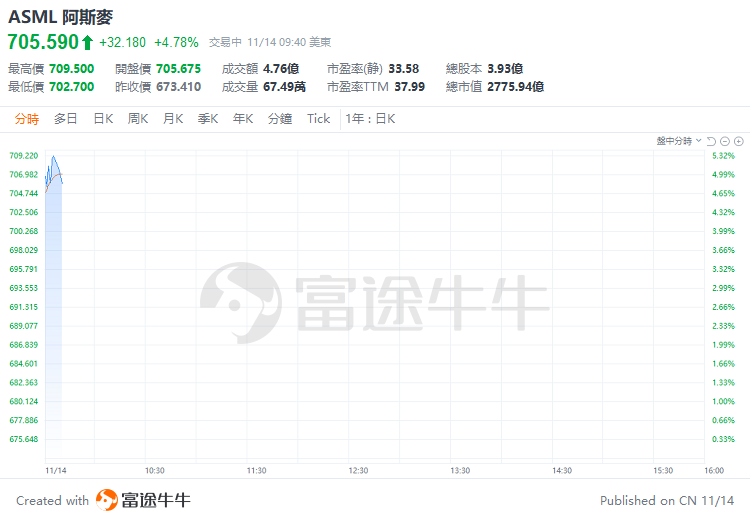
异动直击 | AI需求依然强劲!阿斯麦升近5%,预计未来五年销售增长率平均为8%-14%
加密货币大多头:若特朗普真的建立比特币储备,50万美元见!

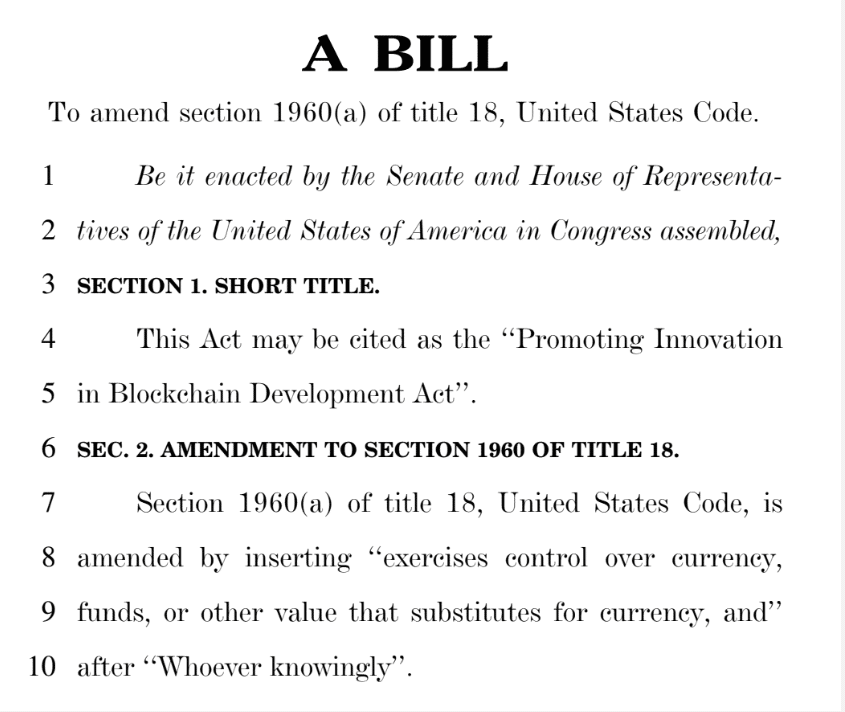
All about U.S Congress’s new bill and its intent to protect open-source developers
Trending news
MoreCrypto prices
More





