
Intuit Stock Jumps 3.70% with $3.29 Billion in Volume, Ranking 33rd, Despite Analyst Downgrades, Insider Selling, and Regulatory Concerns

Market Overview
On February 27, 2026, Intuit (INTU) ended the trading session with a notable 3.70% increase, positioning it among the top gainers of the day. The company saw trading volumes reach $3.29 billion, making it the 33rd most active stock. Despite this positive momentum, the 50-day and 200-day moving averages were at $531.35 and $620.12, respectively, suggesting a mixed technical picture. Intuit’s market value stood at $108.04 billion, with a price-to-earnings ratio of 26.54 and a beta of 1.24, underscoring its status as a rapidly growing technology firm.
Main Influences
Analyst Ratings and Guidance Updates
Several analysts adjusted their price targets for Intuit, reflecting a blend of optimism and caution. Stifel Nicolaus lowered its target from $800 to $500 but kept a “buy” recommendation. JPMorgan Chase also trimmed its target to $605 from $750, maintaining an “overweight” rating. Citigroup and Goldman Sachs reduced their targets to $649 and $519, respectively, yet continued to rate the stock as “buy” or “neutral.” These changes point to tempered short-term expectations but an overall “Moderate Buy” consensus, with the average target at $694.96. In contrast, BNP Paribas Exane sharply cut its target to $340 and issued an “underperform” rating, signaling increased skepticism.
Intuit’s recent financial results added complexity. The company surpassed expectations in Q2, reporting earnings per share of $4.15 (up 22.3% year-over-year) and revenue of $4.65 billion (up 17.4% year-over-year). However, management warned of higher marketing expenses for the U.S. tax season and anticipated lower profits for Q3. This cautious outlook led to a swift sell-off after the earnings release, as investors adjusted their forecasts despite the strong quarterly performance.
Insider Transactions and Institutional Holdings
Recent insider activity contributed to market uncertainty. CEO Sasan Goodarzi sold 41,000 shares, reducing his stake by 75%, while director Scott D. Cook sold 75,000 shares. In total, insiders have sold $255.5 million worth of shares over the past three months, raising concerns about leadership’s confidence in the company’s near-term prospects. On the other hand, major institutional investors such as Vanguard and State Street slightly increased their holdings, together controlling 83.66% of the company’s shares.
AI Initiatives and Regulatory Challenges
Intuit’s ongoing investment in artificial intelligence, including collaborations with Anthropic and the development of specialized AI models, is viewed as a potential catalyst for long-term growth. Leadership has stressed that AI enhancements will complement, not replace, core offerings like TurboTax and QuickBooks. External analysts have also noted the potential for AI to strengthen customer loyalty, though the tangible benefits remain to be seen.
At the same time, regulatory issues have re-emerged as a significant risk. Legislative efforts to revive the IRS Direct File program could threaten Intuit’s revenue from paid tax preparation services. Although the timeline for these changes is uncertain, the possibility of tax-filing services becoming commoditized poses a serious long-term challenge to Intuit’s business model.
Short Interest and Investor Sentiment
Short interest in Intuit jumped by roughly 40% in February, adding to the stock’s volatility. Analysts observed that the combination of cautious guidance and regulatory uncertainty attracted short-term traders and hedge funds. Nevertheless, the prevailing “Moderate Buy” consensus and new analyst price targets—such as Truist Financial’s initiation at $739—demonstrate ongoing confidence in Intuit’s long-term growth prospects.
Summary
Intuit’s 3.70% rise on February 27 highlights the ongoing struggle between positive fundamentals—such as robust Q2 results, AI-driven initiatives, and strong institutional backing—and negative factors like downward analyst revisions, insider selling, and regulatory threats. The company’s future performance will depend on its ability to capitalize on AI opportunities and manage tax-season expenses, but the current mix of signals from management and analysts suggests that investors should remain cautious in the near term.
Disclaimer: The content of this article solely reflects the author's opinion and does not represent the platform in any capacity. This article is not intended to serve as a reference for making investment decisions.
You may also like
又一美联储理事呼吁:谨慎对待进一步降息!

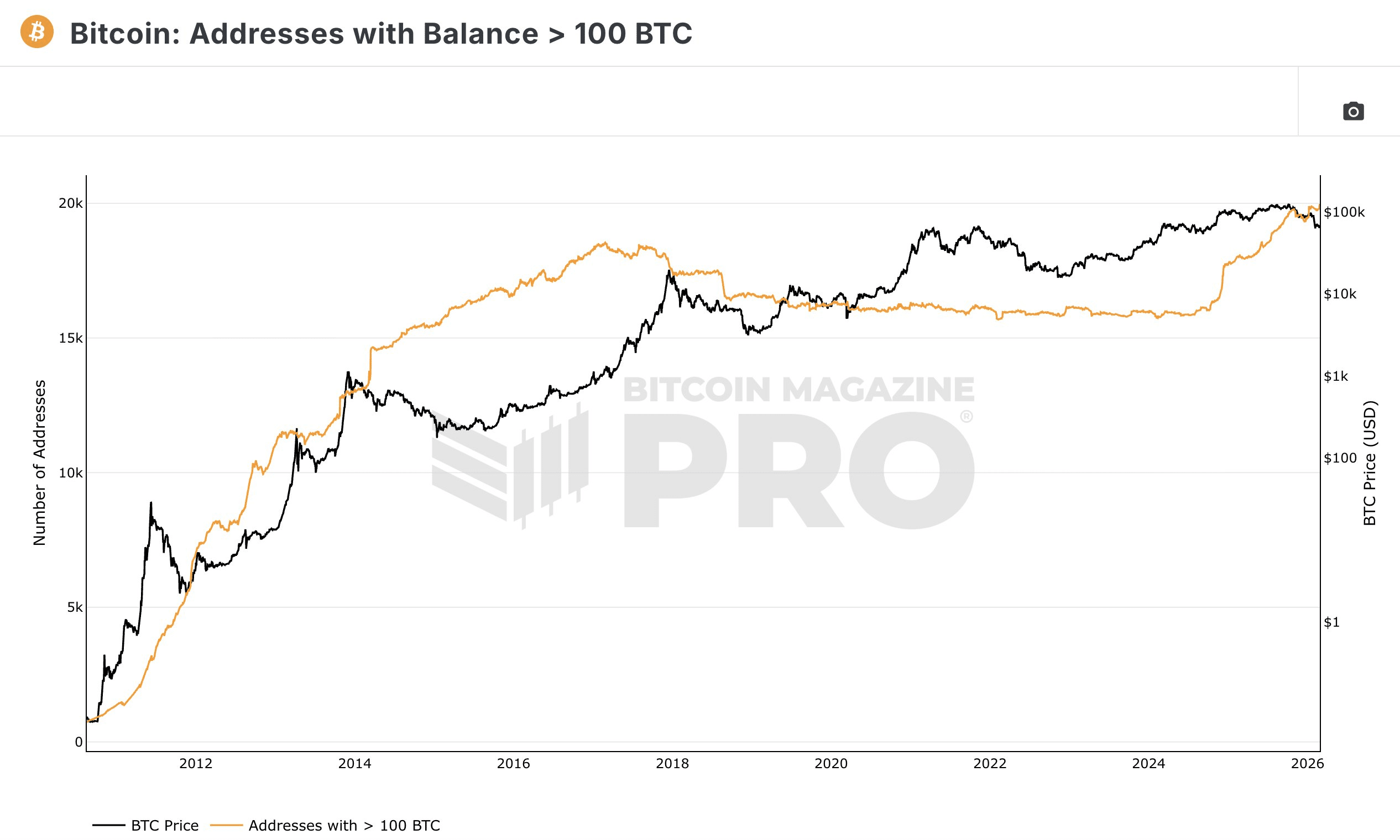
Bitcoin whale addresses holding 100 BTC hit ATH – Strategic play for H2 rally?
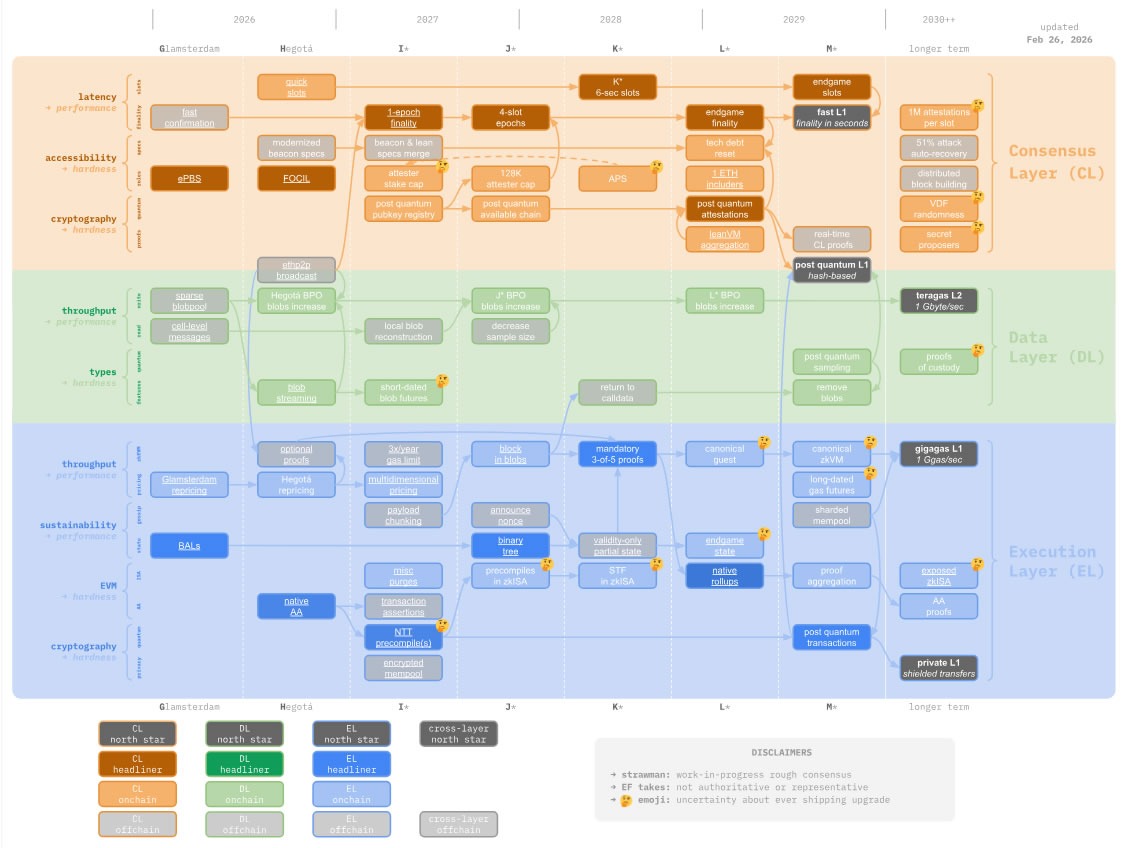
Ethereum smart accounts are finally coming 'within a year' — Vitalik Buterin
Trending news
MoreCrypto prices
More





