
Lemonade's Q4 Beat: Underwriting Discipline vs. Profitability Timeline

Lemonade's fourth-quarter results were a textbook beat on efficiency. Revenue of $228.1 million topped estimates by 5.3% and grew 53% year-over-year. More importantly, the company's underwriting discipline paid off spectacularly, with gross profit surging 73% to $111 million. This was driven by a record-breaking gross loss ratio of 52%, a massive 11-percentage-point improvement from the prior year. The bottom line also showed significant progress, with the adjusted EBITDA loss narrowing to $5 million, an 81% improvement from the prior year.
On the surface, this was a strong quarter. The numbers exceeded expectations across the board. Yet the stock fell. The market had priced in a faster path to profitability than management's guidance suggested. The beat was real, but the forward view reset expectations lower.
The expectation gap is clear. The market had likely been looking for a more aggressive timeline to profitability, perhaps even a path to positive adjusted EBITDA earlier than Q4 2026. Instead, management reiterated its guidance for positive adjusted EBITDA in Q4 2026 and full-year profitability in 2027. This created a "guidance reset" that overshadowed the strong quarterly print. In other words, the company delivered a great quarter, but it didn't deliver the accelerated profitability story the stock had already priced in. This is the classic "sell the news" dynamic when the forward view disappoints relative to the whisper number.
The Guidance Gap: Slowing Growth and Extended Losses
Management's 2026 outlook created a clear expectation gap. The market had priced in a rapid transition to profitability, but the guidance suggests heavy investment will continue for another year. The full-year revenue target of $1.187–$1.192 billion implies growth slowing to about 32% from the 53% pace in the fourth quarter. This deceleration signals that the hyper-growth phase is winding down, a reality that likely wasn't fully priced in.
The bottom line is a delayed path to the promised land. The company reiterated its plan for full-year Adj. EBITDA profitability in 2027. For investors banking on a faster payoff, this is a reset. The strong Q4 beat was real, but the forward view confirms that the heavy spending needed to scale will extend losses into the next calendar year. In the game of expectations, the market had hoped for a quicker handoff from growth to profit. The guidance shows the handoff is still a year away.
The Market's Reaction: Selling the News and Conflicting Signals
The stock's sharp decline of 11.9% today is a textbook "sell the news" reaction. The market had already priced in a strong quarter, but the forward view reset expectations lower. The guidance for sustained losses and heavy investment created a clear gap between the reported beat and the promised payoff.
This move aligns directly with fresh analyst caution. Piper Sandler, for instance, lowered its price target to $65 from $85 while maintaining a Neutral stance, adding to the skepticism around the profit trajectory. The stock's fall reflects a reset from high-growth expectations to a path of uneven profitability, where near-term losses are the price of continued expansion. The setup is one of delayed gratification, confirming that the heavy spending needed to scale will extend losses into the next calendar year.
The conflicting signals from Wall Street underscore the uncertainty over the optimal balance. Analyst ratings are split, with two firms issuing Buy ratings and two issuing Sell ratings. More telling are the divergent price targets, which range from a bullish $98.0 from Truist Securities to a more skeptical $40.0 from Keefe, Bruyette & Woods. This wide dispersion shows a market deeply divided on whether the company's underwriting discipline and growth momentum can ultimately outweigh the extended period of investment and loss. The expectation gap is now a battleground of conflicting views.
Catalysts and Risks: The Path to 2027
The valuation now hinges on a clear set of future milestones. The primary catalyst is hitting the guided targets: achieving positive adjusted EBITDA in the fourth quarter of 2026 and delivering full-year profitability in 2027. This is the non-negotiable path the market has priced in. Any deviation from this timeline will likely trigger another expectation reset. The company has already shown it can generate strong free cash flow, with $37 million in adjusted free cash flow last quarter. The next critical step is watching for a sequential acceleration in both in-force premium growth and free cash flow generation, which would signal the underwriting gains are translating more efficiently into the bottom line.
Key risks, however, are tied directly to execution. Management has stated that increased marketing efficiency is being reinvested to support higher growth spend, not to introduce conservatism. This means heavy investment plans in AI and new products like the recently launched Autonomous Car insurance will continue. The risk is that these initiatives extend the period of losses if customer adoption or underwriting performance disappoints. Maintaining growth momentum as the customer base expands from three million to the next million will also be a test of scalability. The setup is one of high-stakes execution: the company must navigate a path of uneven profitability, where near-term losses fund future gains, to justify the current valuation.
Disclaimer: The content of this article solely reflects the author's opinion and does not represent the platform in any capacity. This article is not intended to serve as a reference for making investment decisions.
You may also like
Breaking down the collaboration between Compass and Redfin, Rocket
Morgan Stanley Is Going All-In on Crypto and They Like XRP over Bitcoin
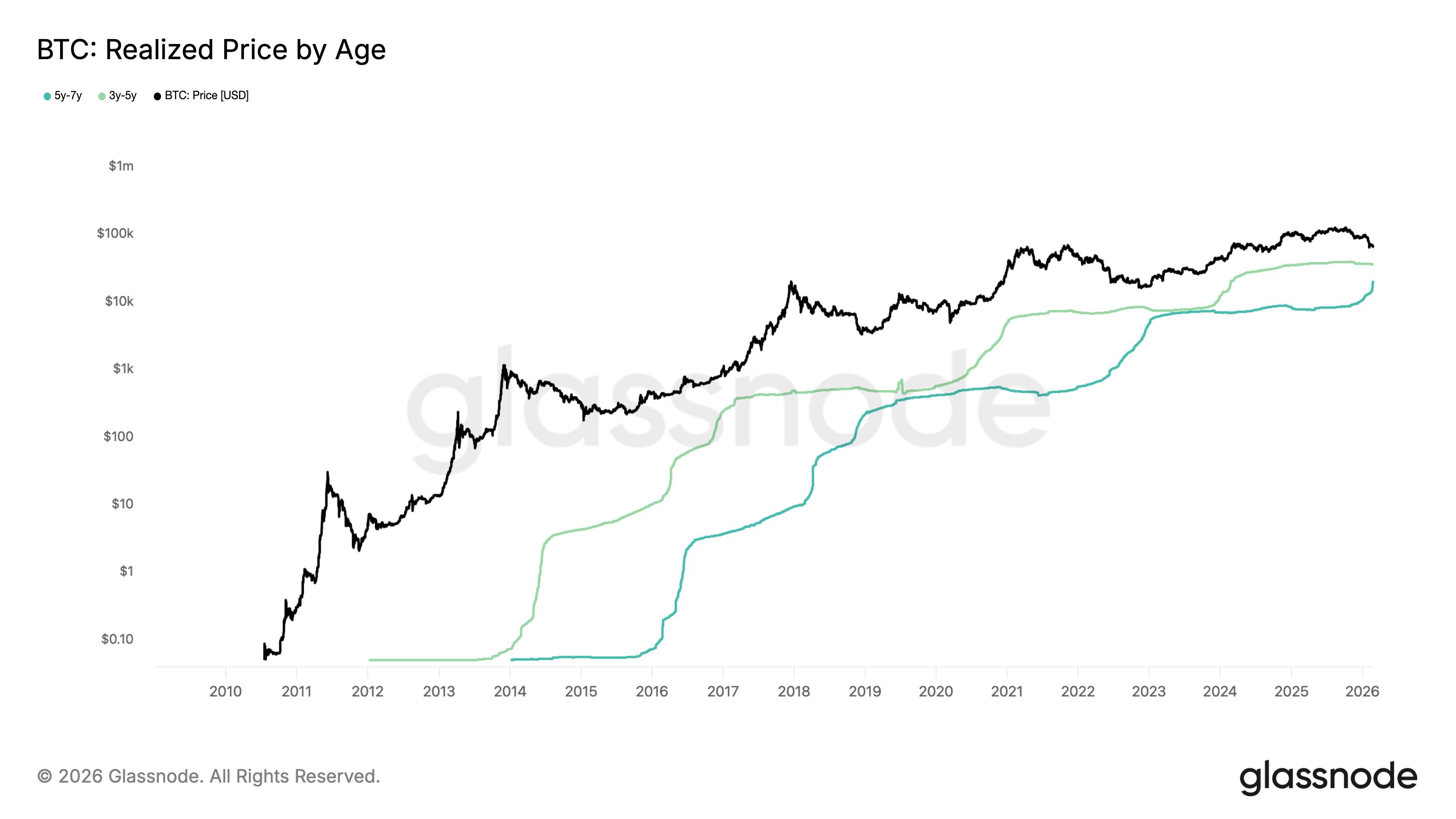
Buying Bitcoin? Hold for at least three years to avoid losses, data says
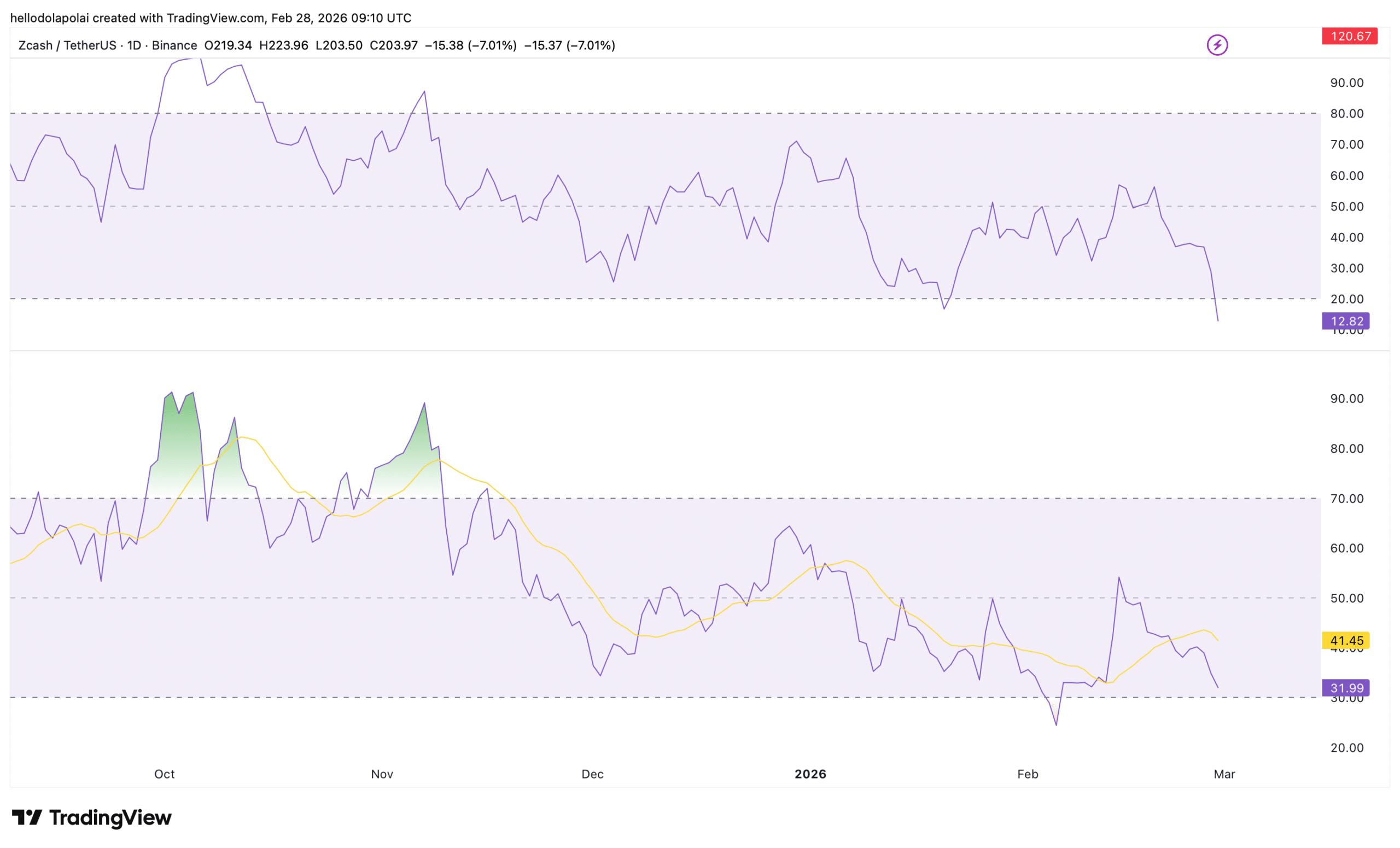
Zcash: Why ZEC could drop to $120 if THIS support breaks
Trending news
MoreCrypto prices
More





