
Constellation Energy's 1.95% Surge Defies Muted Volume, Ranks 143rd in 2026 Market Activity

Market Snapshot
Constellation Energy (CEG) closed 2026年2月27日 with a 1.95% increase in share price, despite a 29.92% decline in trading volume to $1.13 billion, ranking 143rd in market activity. The reduced volume suggests mixed investor sentiment or limited short-term liquidity, though the positive price movement indicates some level of buying interest. The stock’s performance contrasts with its recent volatility, as it follows a 10.9% surge earlier in February linked to strategic updates.
Key Drivers
Constellation Energy’s recent stock performance and broader market narrative are shaped by three interlinked developments: its Calpine acquisition, expanded data center power agreements, and a raised dividend. The Calpine acquisition, finalized in February 2026, has broadened the company’s clean and gas generation capacity, aligning with growing demand for low-carbon energy in AI-driven sectors. This move strengthens its position in Texas, where a 380 MW long-term power deal with CyrusOne—added to existing agreements—secures over 1,100 MW of contracted capacity. These contracts are critical for stabilizing revenue streams amid fluctuating earnings, as 2025 results showed higher sales ($25.5 billion annualized) but lower net income, reflecting integration costs and operational challenges.
The dividend increase to $0.4265 per share, a 10% rise from prior levels, further signals confidence in the company’s long-term cash flow potential. Analysts note that this move, coupled with the expanded data center portfolio, positions Constellation to capitalize on AI infrastructure growth. However, the stock’s valuation remains contentious. Optimistic forecasts project $26.7 billion in revenue and $3.6 billion in earnings by 2028, implying a 24% upside from current levels, while more cautious models anticipate earnings contraction to $1.6 billion. The disparity underscores uncertainty around execution risks, particularly in integrating Calpine’s operations and managing nuclear compliance costs.
The Texas data center agreements are a pivotal catalyst, but they also highlight exposure to grid bottlenecks and reliance on a few large clients. The 380 MW CyrusOne deal, combined with the Freestone Energy Center’s contracts, reinforces Constellation’s alignment with AI-driven demand. Yet, this strategy concentrates risk in fast-growing regions with infrastructure constraints, potentially limiting scalability. Regulatory pressures on nuclear assets—aging reactors with rising decommissioning costs—add another layer of complexity, as these facilities account for a significant portion of its generation mix.
While the Calpine acquisition and data center deals bolster the company’s growth narrative, investors must weigh near-term earnings volatility against long-term contracted revenue. The 2026 guidance, which will incorporate these strategic shifts, will be a key metric to monitor. For now, the stock’s 1.95% gain reflects optimism about its pivot to AI infrastructure, though the broader market’s skepticism—evidenced by the sharp drop in trading volume—suggests caution. The balance between securing premium contracts and managing operational and regulatory headwinds will determine whether Constellation’s market repositioning translates into sustained outperformance.
Disclaimer: The content of this article solely reflects the author's opinion and does not represent the platform in any capacity. This article is not intended to serve as a reference for making investment decisions.
You may also like
Iridium’s 9604: Wagering on the Hybrid IoT S-Curve Foundation Layer
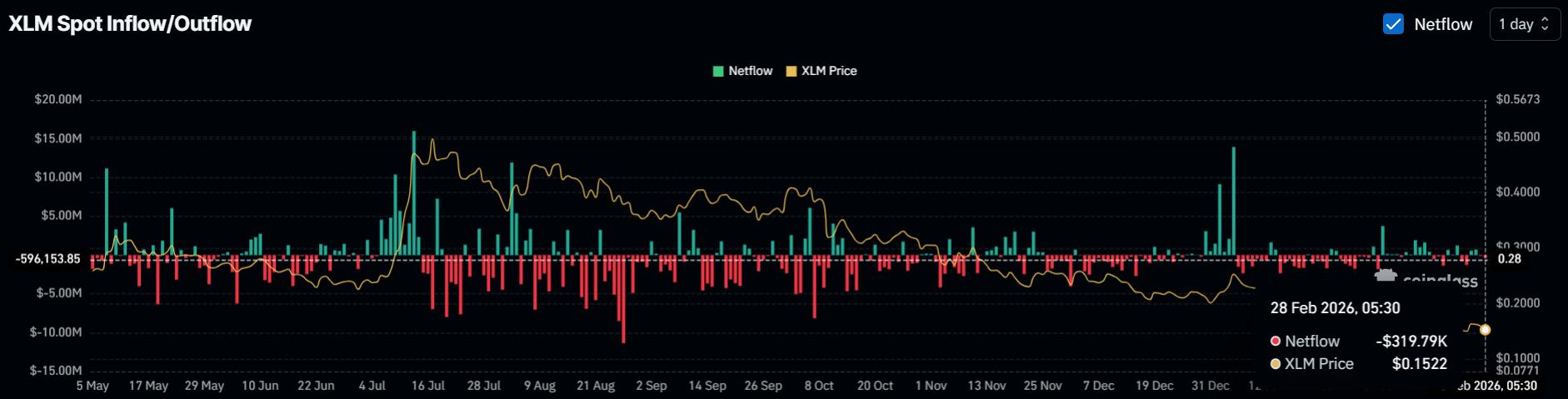
Here’s why Stellar’s (XLM) price action may be at the risk of a 28% drop
Kymera's March Conferences: Strategic Positioning for a Potential Revaluation or Just a Temporary Recovery?
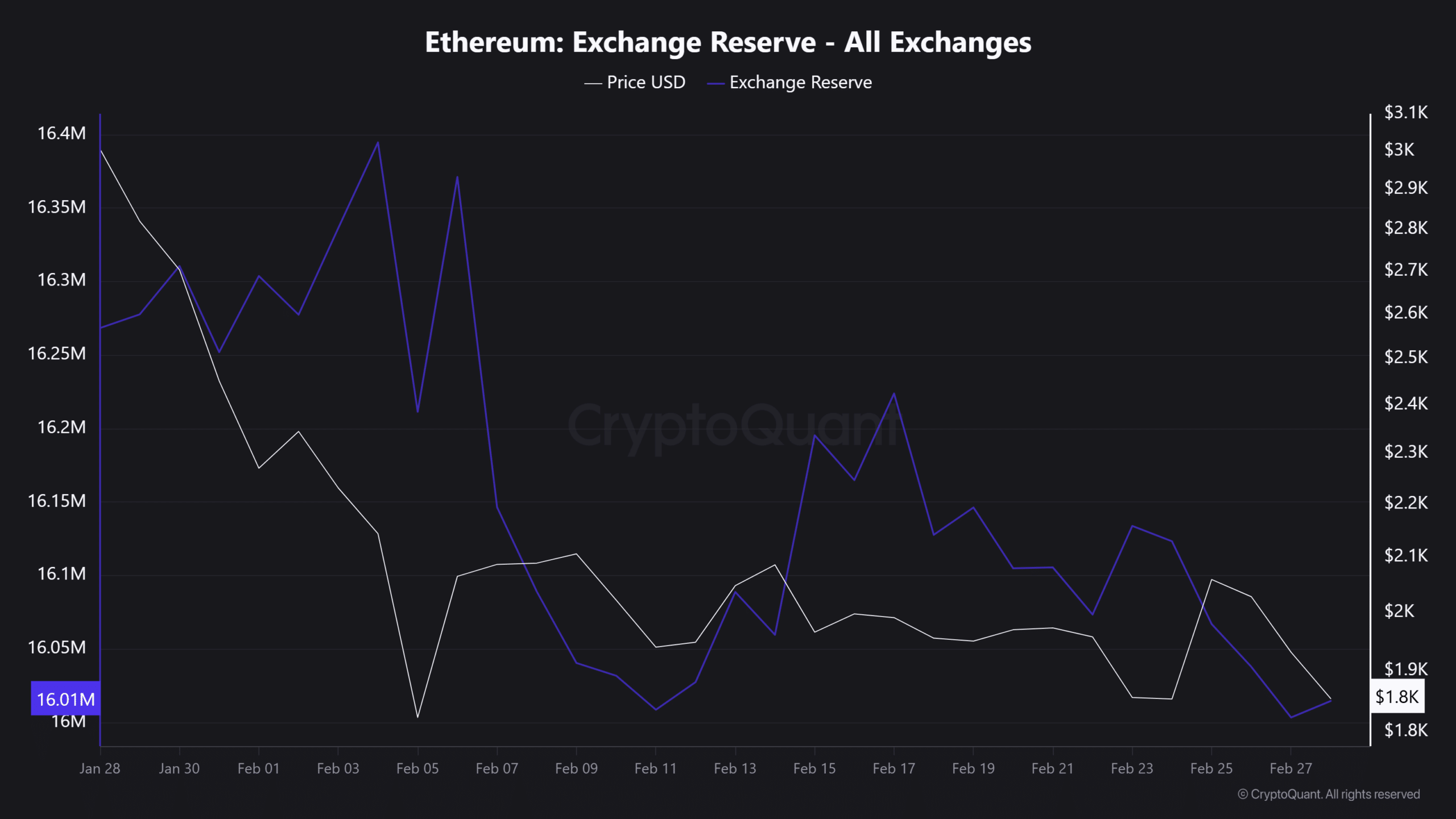
Ethereum: Is a price bottom forming as 37.1M ETH gets staked?
Trending news
MoreCrypto prices
More





