
Power struggles, corporate maneuvering, and a $2.8 billion deal: The story of how Paramount outbid Netflix to acquire Warner Bros.

Paramount Triumphs in Warner Bros. Discovery Takeover Battle
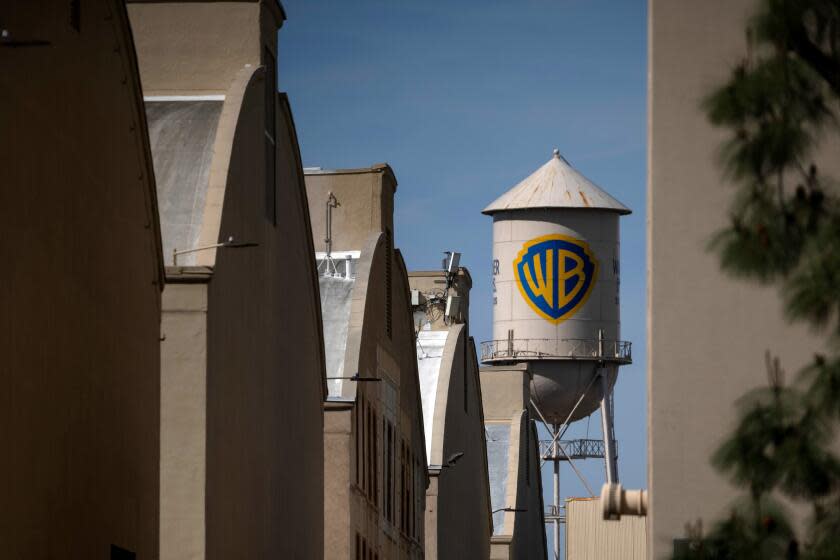
Photo: Eric Thayer / Los Angeles Times
In the wake of Netflix's agreement to acquire Warner Bros., David Ellison, Chairman of Paramount Skydance, quickly gathered his closest advisors—including his father, billionaire Larry Ellison—to strategize their next move. Disappointed by Warner Bros. Discovery CEO David Zaslav's decision to end the auction, the Ellison team immediately began planning their counterattack on that brisk December morning.
To shake Warner Bros. Discovery and its stakeholders, the Ellisons launched a multi-pronged offensive: they filed a lawsuit, initiated a hostile takeover, and lobbied both the Trump administration and Republican lawmakers.
One insider familiar with the auction described the Ellisons’ approach as “highly organized and methodical.”
Late Thursday, Netflix unexpectedly withdrew from the bidding process, paving the way for Paramount to acquire the parent company of HBO, HBO Max, CNN, TBS, Food Network, and the Warner Bros. studios in Burbank. The acquisition was valued at over $111 billion.
Netflix’s decision came shortly after co-CEO Ted Sarandos met with Attorney General Pam Bondi and a White House deputy. While the meeting was cordial, Trump administration officials warned Sarandos of significant regulatory obstacles, according to a source close to the administration.
Even before this meeting, momentum had shifted in Paramount’s favor amid a swirl of political maneuvering and brinkmanship.
Further Reading
“Netflix played their hand well, but Paramount executed flawlessly,” said Jonathan Miller, CEO of Integrated Media Company. “They acted decisively at the critical moment.”
Larry Ellison’s immense wealth—estimated at $200 billion—and his political connections played a pivotal role in Paramount’s victory.
Paramount also brought on Makan Delrahim, Trump’s former antitrust chief, to lead their legal and regulatory efforts.
During a recent Senate hearing, Republicans criticized Sarandos for Netflix’s perceived monopolistic tendencies and “woke” content. David Ellison skipped the hearing but attended Trump’s State of the Union address as a guest of Senator Lindsey Graham, posing for a photo together that was shared on social media.
Inside the Paramount-Warner Bros. Deal
On Friday, Netflix confirmed it had received a $2.8 billion termination fee from Paramount, ending its pursuit of Warner Bros.
Long before acquiring Paramount and CBS, David Ellison—a 43-year-old tech entrepreneur and pilot—had set his sights on Warner Bros. Discovery. Paramount’s assets, including MTV, Nickelodeon, and its Melrose Avenue studio, had been declining, and Ellison saw Warner Bros. Discovery as essential to his ambitions.
“From the outset, our goal in pursuing Warner Bros. Discovery was to honor the legacies of two legendary companies while accelerating our vision for a next-generation media powerhouse,” David Ellison said in a statement. “We’re thrilled for what lies ahead.”
Warner Bros. Discovery CEO David Zaslav, who initially opposed Paramount’s bid, commented, “We look forward to collaborating with Paramount to finalize this landmark deal.”
Netflix, in its own statement, said it was unwilling to exceed its $82.7 billion offer, which Warner’s board had accepted on December 4. “We believe we would have been strong stewards of Warner Bros.’ iconic brands, strengthening the industry and supporting jobs,” said Sarandos and co-CEO Greg Peters. “But this was always a ‘nice to have’ at the right price, not a ‘must have’ at any cost.”
Some analysts believe Netflix underestimated the Ellison family’s resolve when it allowed Paramount back into the bidding process. Netflix had already won the auction and was preparing for a shareholder vote, but pressure mounted to ensure the process was fair and unchallenged.
Netflix’s stock had suffered, losing a quarter of its value after news broke of its Warner Bros. bid. Following the announcement of its withdrawal, Netflix shares surged nearly 14% to $96.24.
Paramount’s Winning Strategy
When Paramount was invited back into the auction, it presented a much stronger offer than before. Larry Ellison personally guaranteed the deal, including $45.7 billion in equity, and pledged to inject additional funds if lenders were concerned about Paramount’s debt load. This assurance eased the concerns of Warner Bros. Discovery’s board, who had been uncertain about Ellison’s commitment.
Paramount’s aggressive campaign also won over theater owners, who were wary of Netflix’s home-viewing model. In the final weeks, Sarandos faced two major controversies: first, filmmaker James Cameron publicly supported Paramount, warning that a Netflix takeover could devastate industry jobs amid an ongoing production slowdown. Then, former President Trump criticized Netflix board member Susan Rice, escalating political tensions around the deal.
Paramount also worked to undermine Netflix’s standing among lawmakers, regulators, investors, and the Warner board, assuring them it could secure regulatory approval swiftly. Delrahim even filed for Justice Department approval in December, before a deal was finalized. The deadline for the Justice Department to object passed without comment from Trump’s regulators.
Further Analysis
Analysts at TD Cowen believe the deal is likely to close, noting that while there are antitrust concerns—such as higher pay TV prices and potential wage impacts for entertainment workers—the merger could also boost competition in streaming, with Paramount+ and HBO Max forming a stronger rival to Netflix.
Throughout the process, David Ellison relied on support from his father, attorney Delrahim, and key board members including Oracle’s Safra Catz, RedBird Capital’s Gerry Cardinale, and Silver Lake’s Justin Hamill. In the final stretch, Ellison worked to sway Warner board members who had previously backed Netflix, and Paramount’s improved offer convinced several to switch sides.
On Tuesday, Warner Bros. announced that Paramount’s proposal was promising. By Thursday, the board concluded that Paramount’s offer surpassed Netflix’s, prompting Netflix to step aside. “Paramount took a comprehensive approach,” Miller said. “They addressed financial, regulatory, and strategic aspects both in the U.S. and internationally.”
Paramount’s shares jumped 21% to $13.51 following the news.
Timeline and Reflections
This marked a dramatic turnaround for David Ellison, who appeared on CNBC just days after the initial war room meeting, declaring, “We put the company in play. We’re here to finish what we started.”
Reporting by Ana Cabellos and Business Editor Richard Verrier.
Disclaimer: The content of this article solely reflects the author's opinion and does not represent the platform in any capacity. This article is not intended to serve as a reference for making investment decisions.
You may also like
Wall Street's 'Fear Index' surged by 10% on Tuesday—Here’s what this could mean for your finances
Ascent Industries: A Sector Rotation Signal in Specialty Chemicals
Texas Pacific Land Shares Tumble 1.4% as Volume Surges to 489th in Market Activity
Okta's Stock Slides 1.96% as 290M Volume Ranks 491st Amid Mixed Momentum and 32% Undervaluation
Trending news
MoreCrypto prices
More





