
What Savvy Investors Are Up To: Insider Actions and the Updated HFIA Regulations

Insider Filings: Where the Real Story Lies
When it comes to understanding a company's prospects, the real insights aren't found in press releases—they're hidden within regulatory filings. For investors, the most telling indicator is how company insiders handle their own investments, as revealed in real-time through SEC Form 4. This isn't about marketing spin; it's about executives putting their own money on the line.
Whenever directors, top executives, or significant shareholders buy or sell shares, federal regulations require them to disclose these transactions. Form 4 serves as the main reporting tool, and must be submitted to the SEC’s EDGAR system within two business days. This rapid disclosure system provides a nearly immediate look at insider activity, offering transparency and helping to deter improper conduct. Each trade triggers a countdown, turning Form 4 into a live feed of executive confidence—or caution.
One of the most revealing disclosures comes from the "related-person transaction" rule. This regulation obligates companies to report payments exceeding $120,000 to close relatives of executives or directors, such as siblings or children. The SEC recently enforced this rule, penalizing a company for failing to report over $4.7 million in such payments. The goal is to expose potential conflicts of interest and favoritism. When a CEO awards a substantial commission to a family member, it’s more than a compliance detail—it’s a window into how resources are distributed among those at the top.
The core principle is simple: insider alignment matters. When insiders are buying shares, they're risking their own capital, signaling confidence in the company's future. When they sell, they're often locking in gains. These real-time disclosures in Form 4 reveal whether leadership is optimistic or cashing out. Forget the headlines—focus on the filings to see where the smart money is moving.
The HFIA Act: Expanding Transparency to Global Insiders
Insider activity is no longer just a domestic concern. The newly enacted Holding Foreign Insiders Accountable Act (HFIA Act), effective March 18, 2026, is set to bring foreign executives under the same disclosure requirements as their U.S. counterparts, marking a major step forward for global transparency.
This legislation updates Section 16 of the Securities Exchange Act, mandating that directors and officers of foreign companies listed in the U.S. must report their holdings and trades electronically on EDGAR, and in English. While U.S. insiders have long been subject to these rules, the HFIA Act extends this level of scrutiny to foreign insiders, ensuring a more equitable disclosure landscape.
The SEC’s approach to implementing the HFIA Act is direct, avoiding overly broad interpretations that could create unnecessary burdens. Importantly, the new requirements do not extend to individuals who simply own more than 10% of a company’s shares, focusing instead on those in executive and board positions. This keeps the spotlight on those with the greatest influence over company decisions.
Ultimately, this law transforms insider trading data into a global resource. Investors will soon be able to monitor the investment decisions of foreign executives just as they do with U.S. leaders. When a foreign CEO buys or sells shares, those moves will be on public record, offering a clearer view of where top decision-makers are placing their bets.
Interpreting Insider Data: Key Patterns and Red Flags
Regulatory filings are a treasure trove of information, but extracting value requires a strategic approach. Savvy investors look beyond individual trades, searching for trends that reveal true intent. Consistent insider buying—when executives, directors, or major shareholders repeatedly invest their own money—signals strong belief in the company’s future. It’s not about one-off purchases, but about ongoing accumulation that demonstrates real commitment.
On the flip side, frequent or large-scale selling, especially by top executives like the CEO or CFO, can be a warning sign. While a single sale might be for personal reasons, a pattern of sales—particularly during periods of positive publicity—can indicate insiders are capitalizing on hype, potentially at the expense of regular investors.
One useful metric is the insider buy/sell ratio, which compares total insider purchases to total sales. A ratio above 1.0 suggests bullish sentiment, while a ratio below 1.0, especially if declining, points to increasing caution. Some platforms even use this ratio to anticipate market trends, as insiders often buy at lows and sell at highs.
Outlier transactions are also crucial to monitor. Watch for unusually large or atypical trades that break an insider’s usual pattern. For example, a board member who rarely trades suddenly buying a significant number of shares at a premium price is worth investigating. Similarly, a major sale by a long-term holder can serve as an early warning. These large, unexpected moves often precede major shifts in stock price.
It’s also important to differentiate between trades made by insiders—such as directors, officers, and large shareholders—and those involving close relatives. Both types of transactions must be disclosed, and payments to family members can be just as revealing. For instance, a CEO awarding a substantial commission to a sibling may indicate favoritism or poor capital allocation. Astute investors pay attention to both, as these moves reflect the true alignment of interests within the company’s leadership.
Upcoming Changes and What Investors Should Monitor
The next major development is imminent: the HFIA Act will take effect on March 18, 2026, ushering in a new era of disclosure for foreign company insiders. This is a firm deadline, not a gradual rollout. Investors should be ready for a surge of new Form 4 filings from foreign executives in the weeks following the law’s implementation. The nature of these initial trades—whether they show steady buying or selling—will offer early clues about international stocks.
However, increased transparency also brings new risks. While the law aims to expose insider activity, some executives may attempt to exploit market excitement. A classic warning sign is the pump-and-dump scheme, where insiders promote their company while quietly selling shares. The HFIA Act makes these trades visible, but timing is everything. Investors should watch for situations where upbeat statements from a foreign CEO are followed by significant stock sales—a clear sign of misaligned interests.
Regulatory enforcement will also be a key area to watch. The SEC has demonstrated its commitment to policing related-person transactions, as evidenced by a recent $4.7 million fine for undisclosed family payments. Investors should keep an eye out for similar actions involving foreign insiders, which would signal that the agency is serious about enforcing the new rules.
Finally, the broader rules against insider trading remain in effect. Federal securities laws prohibit trading on material nonpublic information, with penalties that can triple the profits gained. While these rules apply to all insiders, the HFIA Act’s enhanced transparency makes it much harder to conceal questionable trades. Investors should remain vigilant for unusual trading activity by foreign executives that could indicate the use of privileged information. The new law is the catalyst; the risk lies in human nature. Always look to the filings for the real story, not the press releases.
Disclaimer: The content of this article solely reflects the author's opinion and does not represent the platform in any capacity. This article is not intended to serve as a reference for making investment decisions.
You may also like
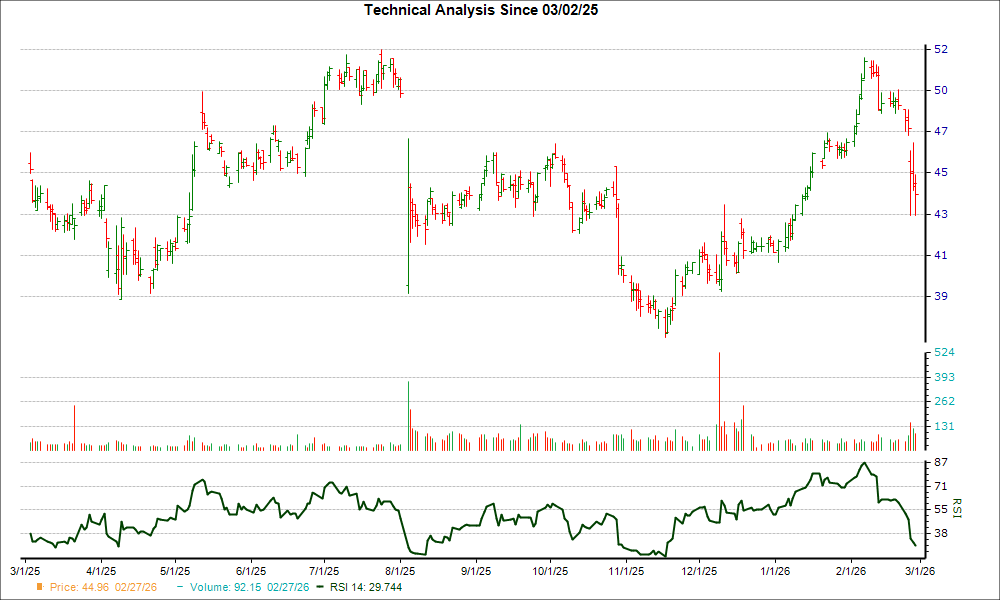
After a 5.9% Drop Over the Past Four Weeks, Here’s What Could Cause HNI (HNI) to Rebound
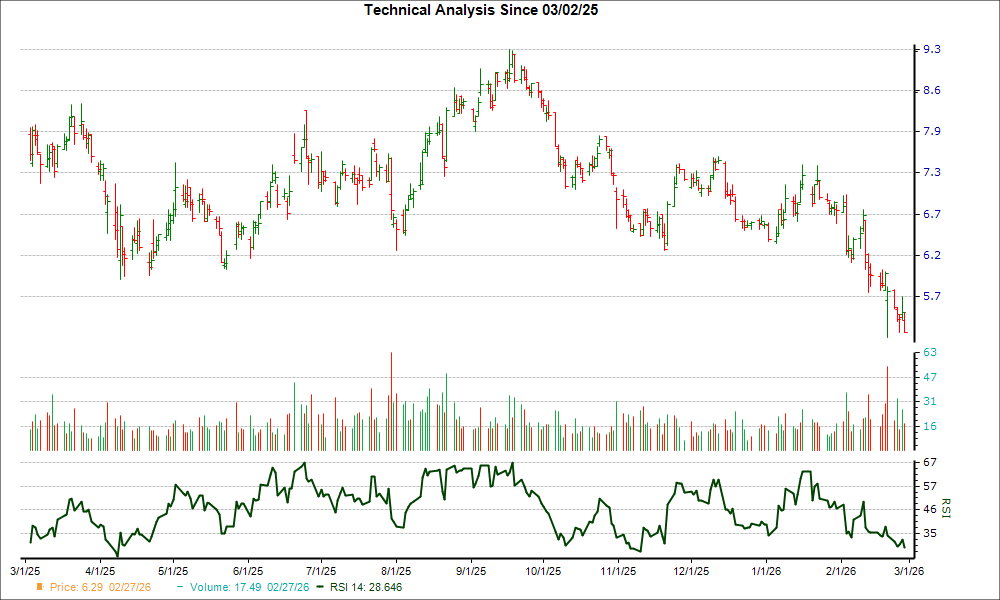
Down 19.2% Over the Past Month, Reasons to Consider Buying the Dip in RE/MAX (RMAX)
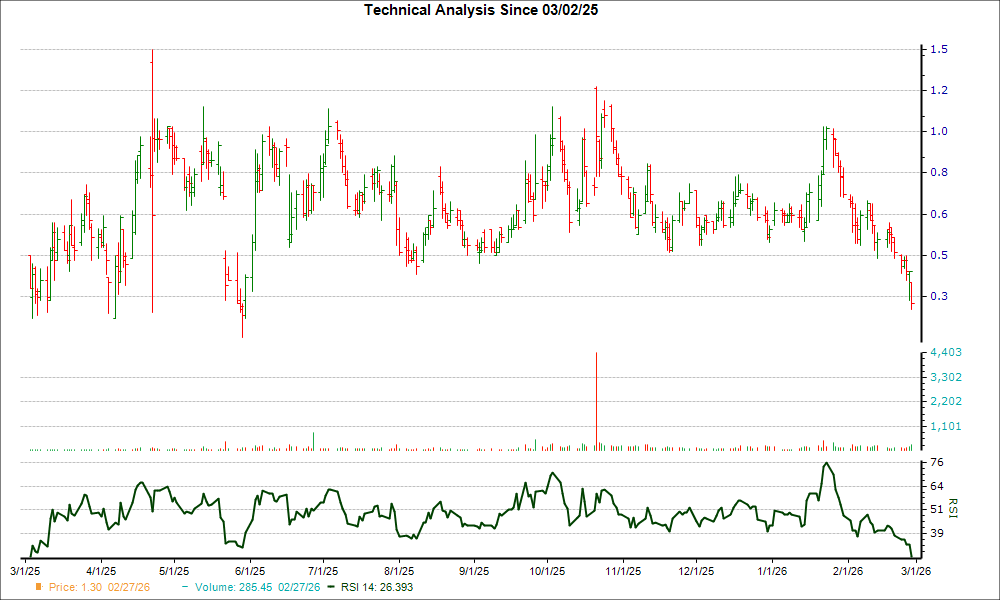
Down 24.4% Over the Past Month, Here's Why CSLM Acquisition Corp. (SPWR) May Be Poised for a Rebound
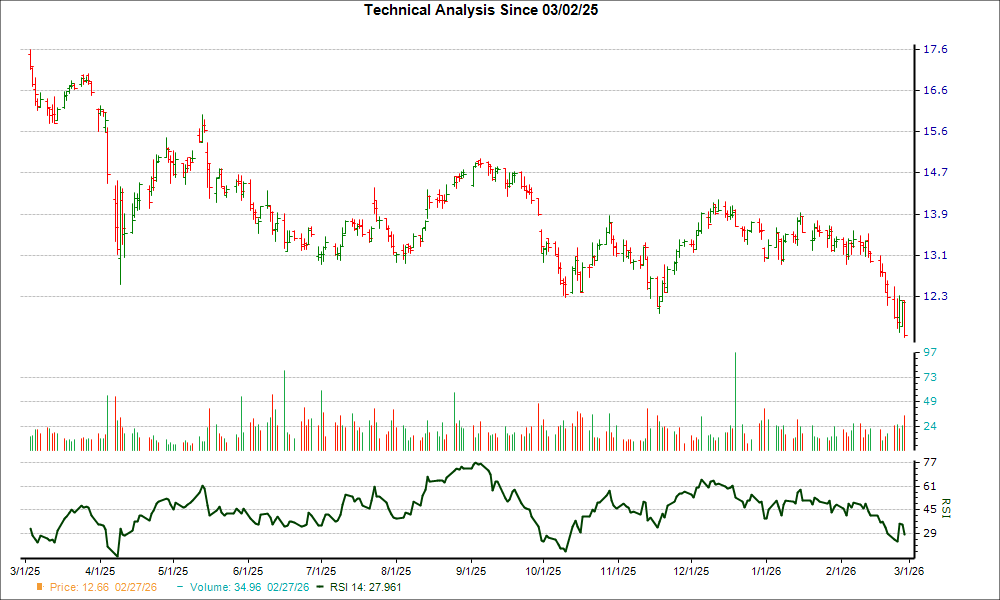
Down 12% Over the Past Month, Reasons Crescent Capital BDC (CCAP) May Be Poised for a Rebound
Trending news
MoreCrypto prices
More





