
Kiyosaki’s “Wealth Through Buying Low” Approach: Tax Advantages and Retail Movement

How the Wealthy Use Retirement Accounts to Accumulate Bitcoin Tax-Free
Affluent investors often leverage Roth IRAs and Solo 401(k)s to purchase Bitcoin during market downturns, sidestepping capital gains taxes on future profits. By doing so, they effectively turn the tax code into a tool for building wealth. With the right retirement accounts, gains from Bitcoin appreciation can be entirely shielded from capital gains taxes.
This tax advantage is significant. Entrepreneurs can defer taxes on up to $150,000 in annual income within these accounts and borrow up to half of their holdings. This creates a strong foundation for buying, as they can deploy large amounts of capital without immediate tax consequences. A common tactic is the "Roth Conversion," where assets are shifted from traditional to Roth accounts during price dips, locking in a lower tax basis for future growth.
The ultimate objective is to maintain a tax-free position indefinitely. One of the key strategies among wealthy families is to avoid selling their investments. Instead, they use Bitcoin as collateral for low-interest loans to access cash, preserving both their principal and its tax-free growth. This approach enables them to ride out market cycles and use the tax system to support a "buy low, hold forever" philosophy.
Key Risks and Potential Changes
The biggest threat to this tax-advantaged accumulation comes from potential legislative changes. The U.S. government is considering closing crypto tax loopholes, with early proposals estimating an additional $18 billion in revenue from these reforms. These changes specifically target strategies like Roth conversions and IRA-based crypto purchases, which currently allow for tax-free transactions. If enacted, such laws could undermine the very foundation of the "buy low" approach, forcing investors to reconsider how they allocate their capital.
Other regulatory adjustments could also have a major impact. For instance, the current lack of a wash sale rule for cryptocurrencies lets investors realize losses and immediately repurchase assets, a valuable tactic for tax-loss harvesting. Introducing this rule would restrict that flexibility and make trading more expensive. Similarly, modifications to retirement account regulations, especially those affecting Roth conversions, could disrupt the timing and efficiency of moving assets into these tax-advantaged vehicles.
BTC Absolute Momentum Long-Only Strategy Overview
- Entry Criteria: Buy when the 252-day rate of change is positive and the price closes above the 200-day simple moving average (SMA).
- Exit Criteria: Sell when the price falls below the 200-day SMA, after 20 trading days, or if a take-profit (+8%) or stop-loss (−4%) threshold is reached.
- Asset: BTC
- Risk Controls: Take-profit at 8%, stop-loss at 4%, maximum holding period of 20 days.
Backtest Results
- Total Return: 22.99%
- Annualized Return: 9.52%
- Maximum Drawdown: 21.37%
- Profit-Loss Ratio: 1.93
Trade Analysis
| Total Trades | 34 |
| Winning Trades | 13 |
| Losing Trades | 21 |
| Win Rate | 38.24% |
| Average Hold Days | 8.74 |
| Max Consecutive Losses | 5 |
| Profit-Loss Ratio | 1.93 |
| Average Win Return | 8.84% |
| Average Loss Return | 4.11% |
| Maximum Single Trade Return | 16.86% |
| Maximum Single Trade Loss | 7.82% |
Market Signals and Influencers
Major public endorsements can also influence market flows. For example, Robert Kiyosaki has publicly announced that he is increasing his Bitcoin holdings as prices decline. While his individual investments are small compared to institutional players, his vocal support for buying during downturns can inspire retail investors to follow suit, potentially increasing demand when others are selling.
The Retail Investor's Tax Disadvantage
Retail investors face a significant challenge: every time they sell Bitcoin at a profit, they incur capital gains taxes, which eat into their returns. This creates a built-in disadvantage, as each successful trade results in a portion of profits being paid to the government.
Without access to specialized retirement accounts, individual investors lack a way to systematically accumulate Bitcoin while deferring or avoiding taxes. They can't use Roth IRAs or Solo 401(k)s to buy during market dips without triggering taxable events. As a result, they must either pay taxes immediately or hold assets in taxable accounts, where gains are continually reduced by taxes as prices fluctuate.
This leads to a clear imbalance in market flows. Wealthy and institutional investors can deploy large sums during price drops using tax-advantaged accounts, while retail investors, burdened by taxes, are unable to compete on equal footing. The disparity is not just about available capital, but also about the legal structures that allow some to accumulate assets more efficiently than others.
Disclaimer: The content of this article solely reflects the author's opinion and does not represent the platform in any capacity. This article is not intended to serve as a reference for making investment decisions.
You may also like
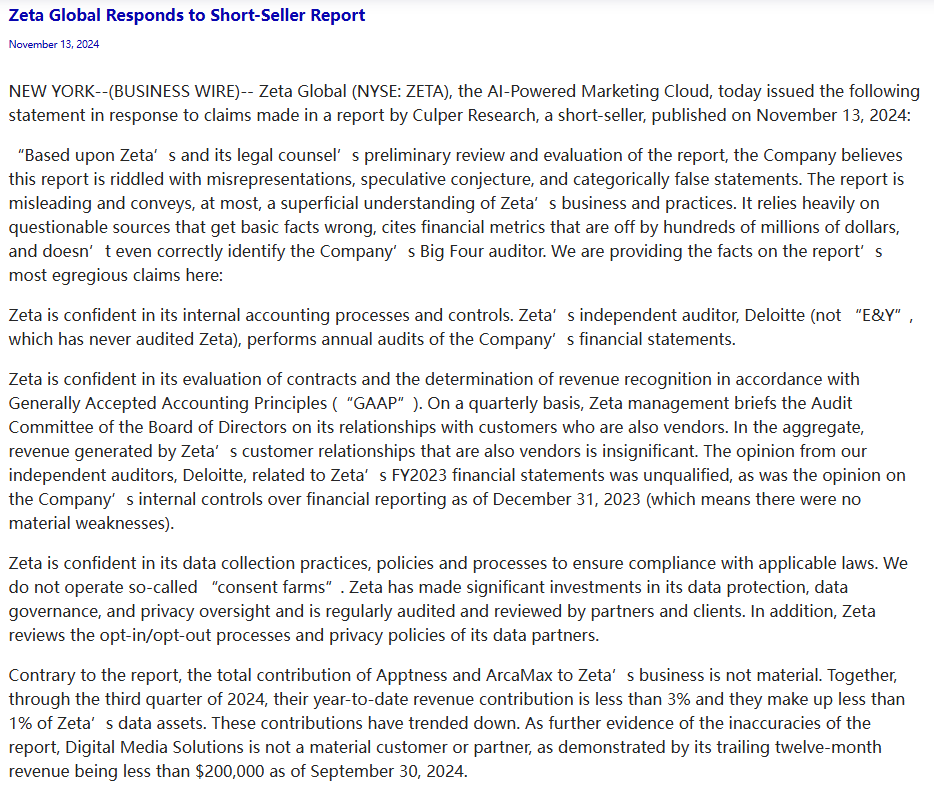
1亿美元回购计划+回应做空报告!ZETA盘前涨超20%,此前两日大跌超50%
Mt. Gox’s Lost Bitcoin Could Be Reclaimed, Former CEO Proposes Rare Hard Fork

Strait of Hormuz closed, inflation at 5%: Will Bitcoin explode or collapse?

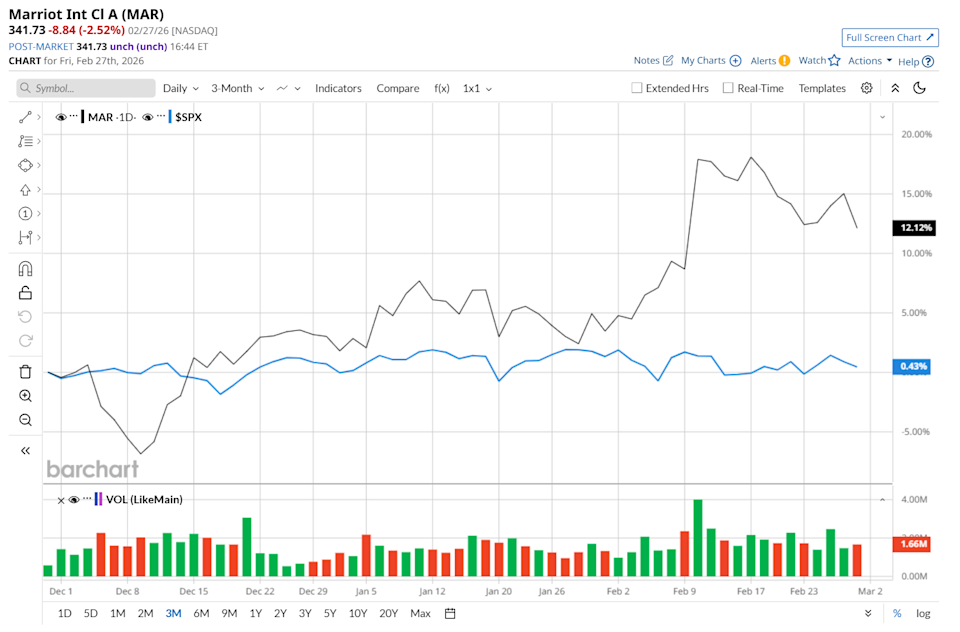
Is Marriott International Shares Beating the S&P 500 Index?
Trending news
MoreCrypto prices
More





