
MFS Crisis Triggers Chain Reaction: Private Credit May Become New Market Risk Point

Source: Wall Street Intelligence Circle
U.S. stocks fell on Friday, with major banks suffering heavy losses.
The decline itself isn’t frightening—the real concern lies in the reason behind it: an unknown UK mortgage lender, MFS, imploded.
This is a small institution specializing in complex real estate mortgage loans, mainly engaged in bridge financing and buy-to-let loans—businesses that are “structurally complex and lack transparency in risk.”
The key issue isn’t that it lost money, but rather the potential existence of “double pledging.” The same property may have been used to secure loans from different banks. Documents show total loans of £1.16 billion, while the “real value” of the collateral may only be £230 million, leaving a gap as high as £930 million.
The crucial point is that the lenders aren’t small-time loan companies but major banks such as Barclays (one of the UK’s four largest banks), Jefferies (a well-known U.S. investment bank), Wells Fargo (one of the four largest U.S. banks), and Santander (the largest bank in Spain).
The market quickly connected the dots: if there’s a £900 million gap in collateral, who’s going to fill it? That’s why bank stocks plummeted across the board—even if the direct exposure isn’t large, the market sells off first and asks questions later. What financial markets fear most isn’t losing money, but not knowing how much they could lose.
Looking deeper, it’s not just a simple case of a small company going bankrupt—it’s like suddenly finding a cockroach on the floor. The market begins to worry: are there already many in the kitchen? Over the past two years, private credit has expanded crazily, with banks pulling back, funds stepping in, non-public loans surging, and underwriting standards becoming increasingly lax. As long as the economy is stable, nothing seems amiss. But now FirstBrands has collapsed, Tricolor has gone under, and now MFS has blown up. MFS has net assets of only £15.9 million but put together a £2.4 billion loan portfolio.
Even more worrying is that this main storyline is converging with concerns over AI. With the software industry’s cash flow destabilized by the impact of AI, many companies are being propped up by private credit; if default rates rise, private credit will run into problems.
In recent years, something has happened that few have seriously considered: many software companies no longer raise funds through banks or public bond markets—they turn instead to private credit funds.
According to some estimates, the software sector may account for 35% of private credit loans, which is dangerous. Because the software industry is being reshaped by AI, cash flow is unstable, and what happens if default rates rise?
Who’s behind these private credit funds? Banks, insurance companies, BDCs, the leveraged loan market, the high-yield bond market—there’s a high degree of cross-holdings—like a spider web. If a single node breaks, it won’t be just one thread that snaps. This time, it may not be a sudden “Lehman moment,” but more like a “slow and painful deleveraging.” Liquidity will gradually dry up until a large institution (similar to AIG in the past) finds itself unable to extricate from holding too many of these “spider web” assets.
It’s not a crisis yet, but “all the conditions are there.” The market’s greatest risks are always hidden where there’s the least transparency, the poorest liquidity, and the slowest price discovery—and private credit ticks all three boxes.
Private credit is the least transparent corner of this cycle.
Disclaimer: The content of this article solely reflects the author's opinion and does not represent the platform in any capacity. This article is not intended to serve as a reference for making investment decisions.
You may also like
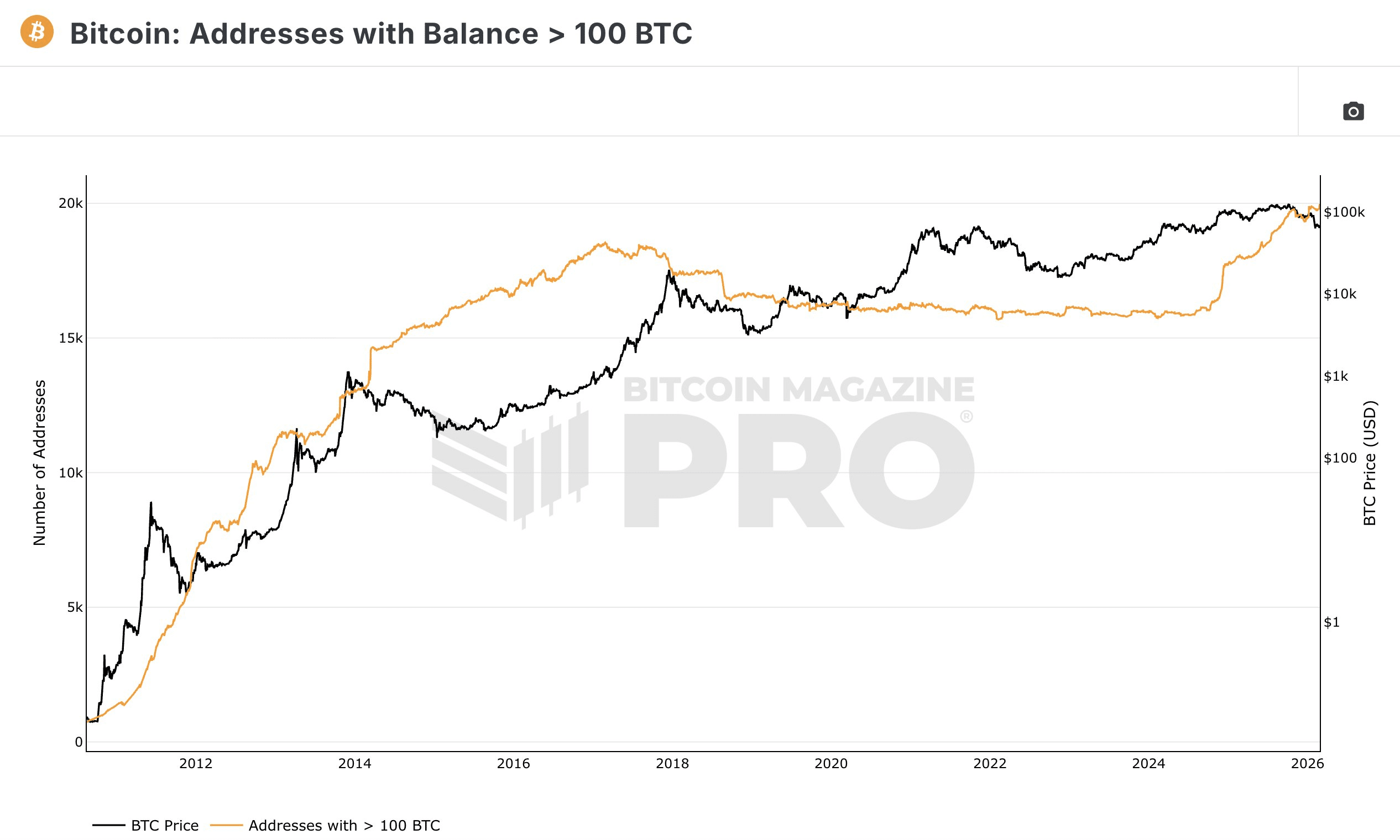
Bitcoin whale addresses holding 100 BTC hit ATH – Strategic play for H2 rally?
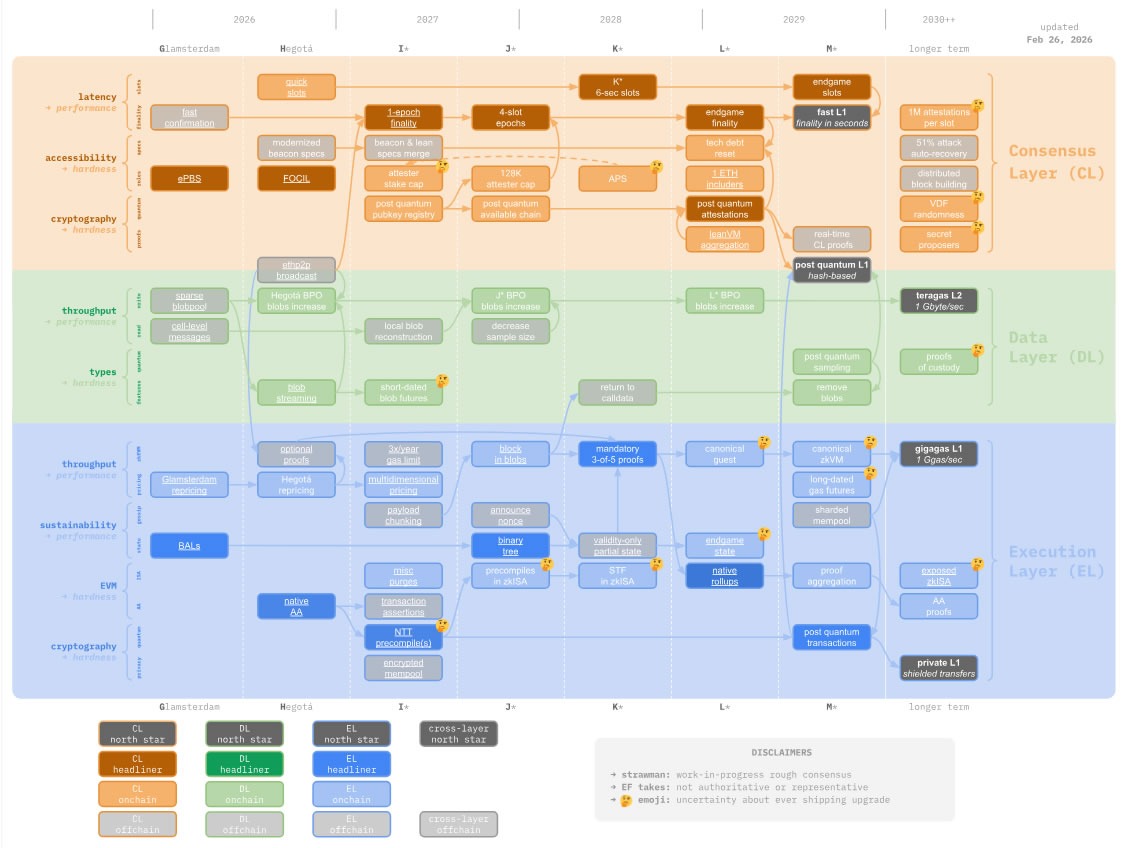
Ethereum smart accounts are finally coming 'within a year' — Vitalik Buterin
涉嫌滥用分类广告主导地位!Meta遭欧盟罚款7.98亿欧元

Trending news
MoreCrypto prices
More





