
3 questions that will remain unanswered after Netflix withdrew from the Warner Bros. acquisition, leaving Paramount as the contender

Paramount Skydance Triumphs in Warner Bros. Discovery Bidding War
As the dust settled on the recent battle for Warner Bros. Discovery, it was not the global streaming giant that emerged victorious, but rather Paramount Skydance—a traditional Hollywood powerhouse grappling with a hefty debt burden and a streaming division that lags behind its competitors.
Netflix officially exited the race on Thursday, following Warner’s board decision to favor Paramount’s proposal as the superior offer. This marked the end of a tense standoff reminiscent of the high-stakes acquisition contests of the 1980s and 1990s, many of which also featured Warner and Paramount. Like the famous 1994 showdown where Barry Diller lost out to Sumner Redstone for control of Paramount, this episode adds another “what might have been” to Hollywood’s long list of missed opportunities.
Unanswered Questions for Hollywood’s Future
Had Netflix succeeded in acquiring Warner Bros., three significant uncertainties about the entertainment industry’s direction might have been resolved. Instead, these questions remain open. Here’s what the industry is still left wondering:
1. The Fate of Theatrical Releases: Can Streaming and Cinemas Coexist?
Netflix’s pursuit of Warner Bros. was seen as a test of whether the company that popularized binge-watching could adapt to the traditional movie theater model. Acquiring Warner would have meant inheriting not just iconic franchises like DC Comics and Harry Potter, but also a global theatrical distribution network and the established practice of giving major films an exclusive 45-day run in cinemas before streaming.
Ted Sarandos, Netflix’s Co-CEO who rose from a video store clerk to a leading figure in Hollywood, was closely watched for his stance on theatrical “windowing.” At the Time100 Summit in April 2025, he described movie theaters as an “outdated concept” and argued that the 45-day exclusivity period was excessive for most viewers—though he later clarified he wasn’t dismissing theaters entirely.
Once Netflix entered the bidding, Sarandos repeatedly emphasized that he did not intend to undermine Warner’s box office success. After some hesitation, he publicly committed to maintaining the 45-day theatrical window, reaffirming this promise in interviews and congressional hearings. This would have marked Netflix’s evolution from a disruptor to a traditional studio, aligning it with the very industry players it once challenged.
With Netflix now out of the picture, we’ll never know if it would have honored the 45-day window, especially if a major release underperformed. Paramount Skydance, which famously showcased a video of Tom Cruise thanking audiences for seeing Top Gun: Maverick in theaters, is firmly rooted in the theatrical tradition and unlikely to challenge it. Netflix’s full transformation into a conventional movie studio remains unfinished—and may never happen.
2. Redefining Television: What Market Does Streaming Really Compete In?
The bidding war also raised the prospect of a landmark antitrust case. A merger between Netflix and Warner would have forced regulators to confront a fundamental question with massive financial implications: What exactly is Netflix’s market?
If Netflix had acquired Warner Bros. and its premium streaming service HBO Max, the world’s largest streamer would have added about 100 million subscribers to its existing 325 million, raising regulatory concerns. However, Co-CEO Greg Peters argued that, according to Nielsen’s measurement of total TV viewing time in the U.S., a combined Netflix-Warner would still trail YouTube, which commands a larger share of viewing hours.
Research from Bank of America in November 2025 supported this, showing YouTube leading with 28% of streaming TV viewing, compared to 21% for a combined Netflix-Warner. With Paramount now taking over Warner, the regulatory challenge is less complex—merging two traditional studios is a more straightforward case. The industry is left to speculate about what truly constitutes market dominance when the largest streaming player never had to defend its position in court.
3. Wall Street’s View on Hollywood’s Evolution
The third unresolved issue centers on the divide between Silicon Valley and Hollywood. As the bidding intensified, Netflix’s stock became a barometer for investor sentiment about a tech company acquiring a legacy studio. During the contest, Netflix shares dropped nearly 40%, erasing over $100 billion in value as investors weighed the risks of Netflix taking on physical studios and the unpredictable economics of theatrical releases.
With Warner ultimately choosing Paramount, that scenario is now off the table. Netflix’s stock rebounded sharply after the company withdrew and secured a reported $2.8 billion breakup fee. The market responded positively, with shares climbing 26%, signaling that investors favor Netflix’s pure streaming focus over the complexities of a traditional Hollywood empire. Yet, it remains an open question whether the market would have ultimately rewarded Netflix for controlling major assets like DC and HBO, or penalized it for embracing the very structures it once disrupted.
Disclaimer: The content of this article solely reflects the author's opinion and does not represent the platform in any capacity. This article is not intended to serve as a reference for making investment decisions.
You may also like
又一美联储理事呼吁:谨慎对待进一步降息!

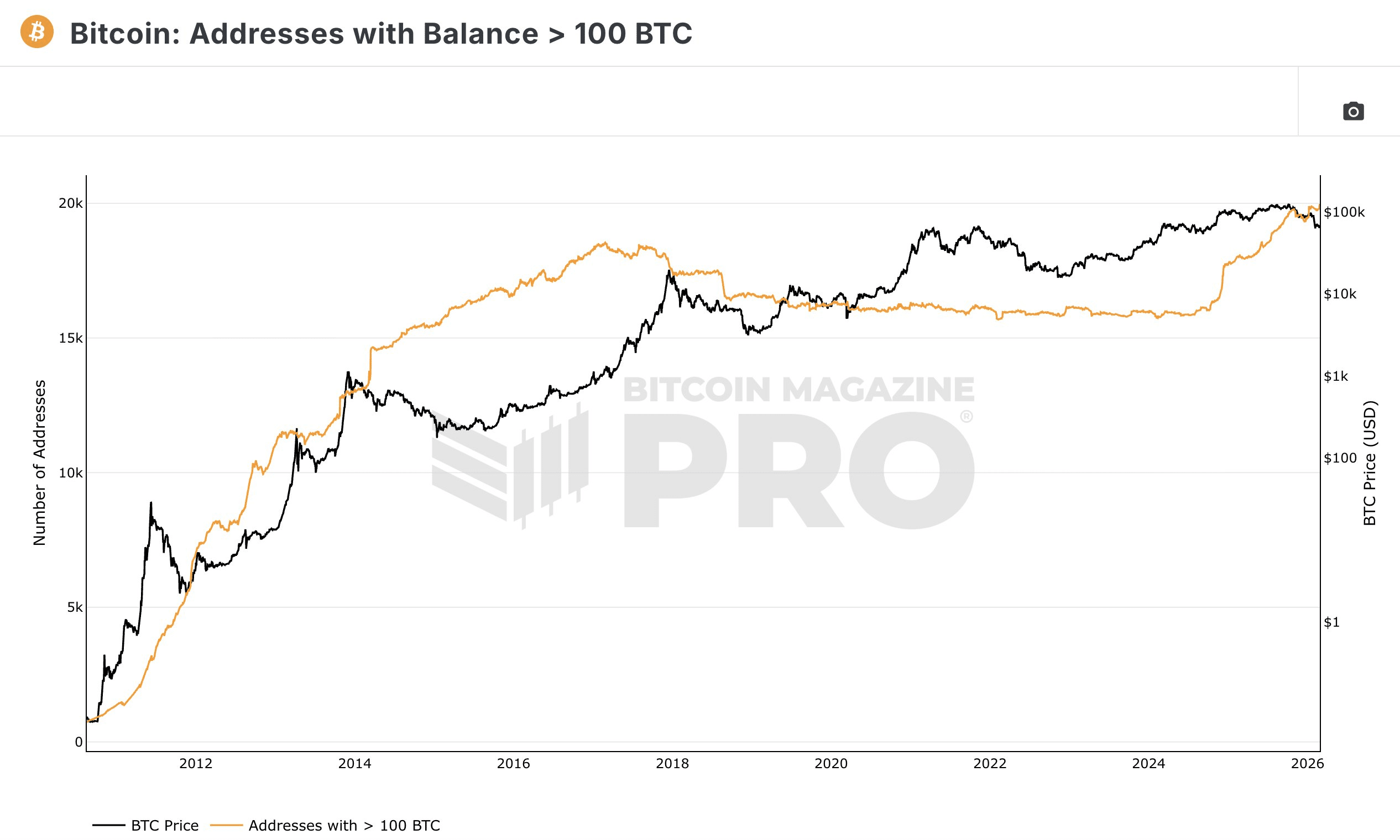
Bitcoin whale addresses holding 100 BTC hit ATH – Strategic play for H2 rally?
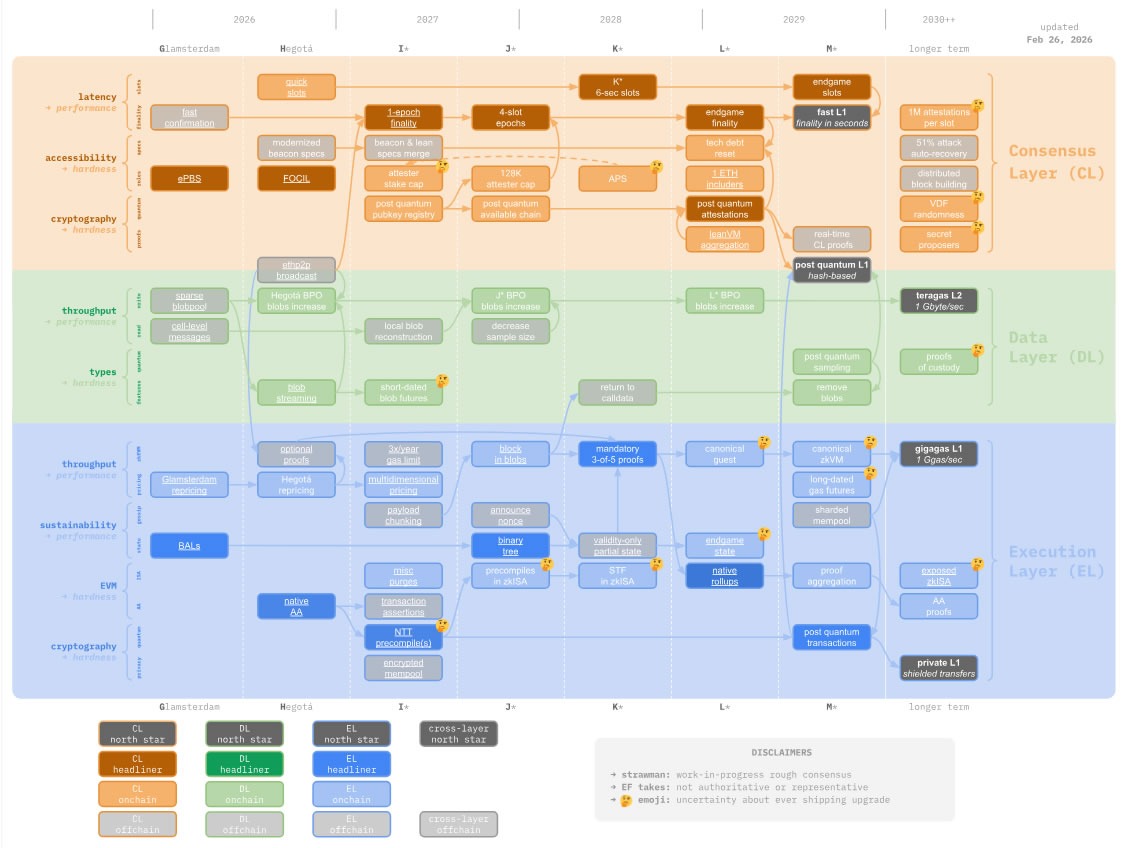
Ethereum smart accounts are finally coming 'within a year' — Vitalik Buterin
Trending news
MoreCrypto prices
More





