
Analysis of proof of work, fiat currency, war financing: energy use secures Bitcoin, while money creation funds conflict; analysts cite evidence and rebuttals.

What “Bitcoin is proof of work; fiat is proof of war” means
The phrase contrasts two ways of securing and governing money. Bitcoin BTC +0.00% ’s proof of work relies on computational effort and energy to validate transactions and protect the network. Fiat currency rests on policy decisions by governments and central banks.
In this framing, “proof of work” signals that Bitcoin’s integrity emerges from verifiable cost, while “proof of war” is a metaphor used by critics who argue that fiat systems can facilitate large-scale government spending, including conflicts, through money creation and credit. Bitcoin also features a hard issuance limit; according to there will only ever be 21 million bitcoins.
The line is rhetorical, not a technical definition of either system. It juxtaposes Bitcoin’s energy-backed security with fiat’s policy-driven flexibility, highlighting different trade-offs and risks.
Why it matters now: energy costs, fiat policy, and trade-offs
Energy prices and efficiency debates shape how observers evaluate proof of work’s security budget and environmental footprint. At the same time, fiat policy choices can expand or constrain liquidity, affecting inflation, public finance, and financial stability.
Some technology and market voices frame energy as a grounding mechanism for monetary integrity. After this idea gained prominence, entrepreneur Elon Musk said, “True. That is why Bitcoin is based on energy: you can issue fake fiat currency, and every government in history has done so, but it is impossible to fake energy.”
On the fiat side, central banks set rules, apply oversight, and coordinate with treasuries, which can be beneficial in crises but invites debate about incentives and discipline. The Federal Reserve is a focal point in these discussions as the U.S. issuer of fiat money and lender-of-last-resort, while critics emphasize risks tied to politicized spending.
As reported by The Block, the digital-asset market remains volatile with continuous price monitoring via live charts and trackers. At the time of this writing, Bitcoin is about $65,125, with short-term volatility around 7.94% and a “Bearish” near-term sentiment reading.
Proof of work vs fiat governance: comparisons and critiques
How proof of work secures Bitcoin: energy, cost, and transparency
Proof of work ties block production to real-world energy expenditure, making attacks economically costly and publicly visible through on-chain competition. The mechanism’s transparency allows anyone to verify supply, issuance schedule, and settlement history.
Security scales with the aggregate cost borne by miners, aligning incentives between validators and users who rely on finality. This costliness also constrains arbitrary changes to monetary policy, since issuance is codified and observable.
Federal Reserve and Saifedean Ammous: fiat, war-financing claims, rebuttals
Economist Saifedean Ammous argues that fiat systems lower the barrier to government borrowing and money creation, which can extend to war financing; as reported by , he links fiat credit expansion with state power and conflict. The claim positions Bitcoin’s energy cost as a discipline that fiat lacks.
Rebuttals stress that the metaphor should not be read as causation and that fiscal choices, legal frameworks, and public accountability, rather than fiat alone, determine how wars are funded. The Federal Reserve’s role illustrates fiat governance structures, but the broader question involves policy design, transparency, and constraints across institutions.
Disclaimer: The content of this article solely reflects the author's opinion and does not represent the platform in any capacity. This article is not intended to serve as a reference for making investment decisions.
You may also like
Mt. Gox’s Lost Bitcoin Could Be Reclaimed, Former CEO Proposes Rare Hard Fork

Strait of Hormuz closed, inflation at 5%: Will Bitcoin explode or collapse?

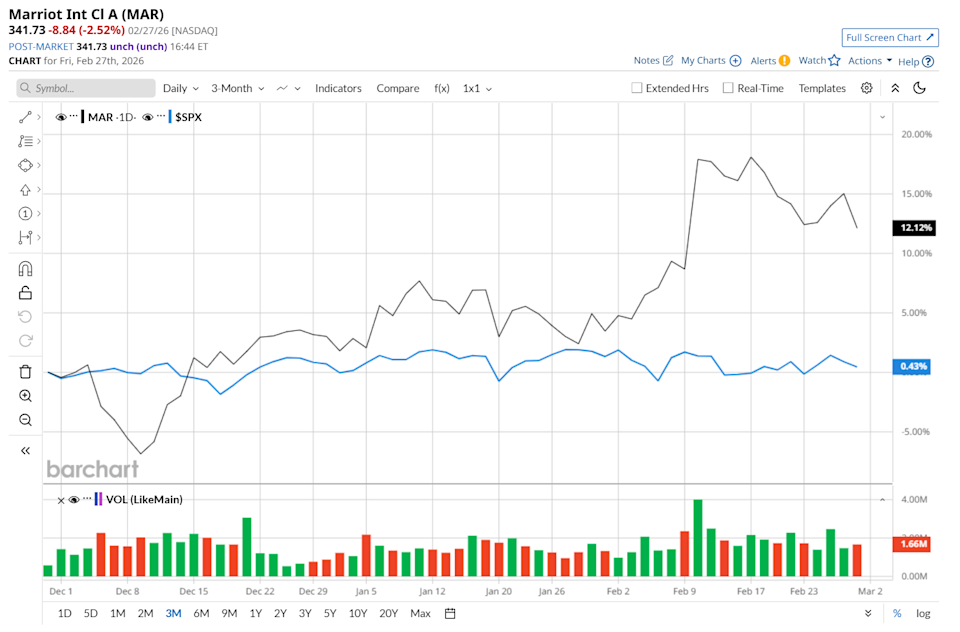
Is Marriott International Shares Beating the S&P 500 Index?
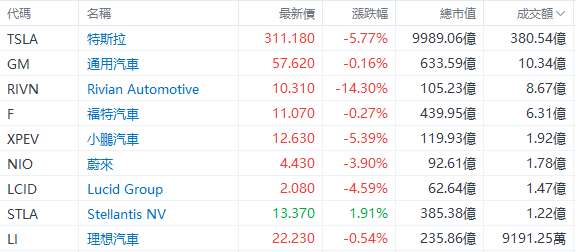
特朗普团队拟取消7500美元电动汽车税收抵免,电动汽车股大跌
Trending news
MoreCrypto prices
More





