
U.S. attacks targeting Iran are expected to drive up defense industry shares. Here’s why the money is likely to keep coming in even once the hostilities are over.

Defense Stocks: Shifting from Crisis Trades to Recurring Revenue Models
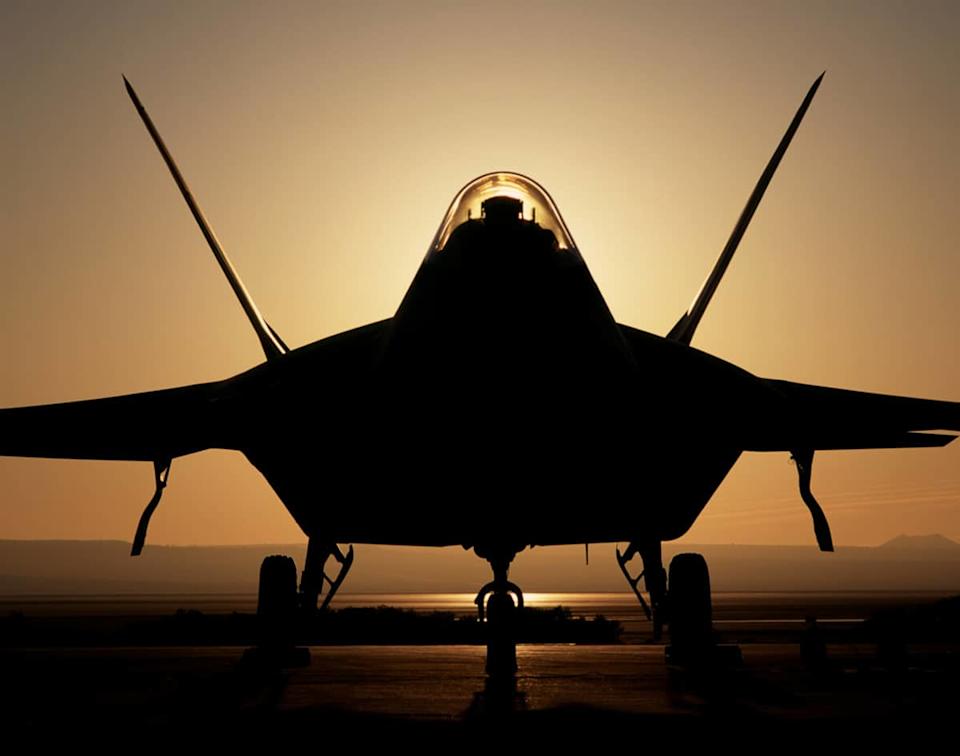
Following the recent joint strikes on Iran by the U.S. and Israel, attention is once again turning to defense sector equities. Historically, defense stocks have acted as a gauge for geopolitical risk—rising with global tensions and receding as conflicts subside. This pattern, driven by procurement cycles and urgent government spending, is expected to play out again in the wake of these latest events.
However, a deeper transformation is underway in the defense industry. Rather than relying solely on one-off equipment sales, many defense firms are evolving toward business models that generate steady, long-term income—much like subscription services. This shift is creating a foundation of recurring revenue, built on the ongoing support and maintenance of an expanding installed base of military assets.
Key Takeaways from MarketWatch
For those investing with an eye on consistent earnings rather than short-term conflict-driven surges, this evolution is significant. Modern weapons platforms are no longer simple, disposable purchases. When a nation acquires advanced fighter jets, missile defense systems, or naval vessels, it also commits to decades of operational and maintenance expenses.
The U.S. Government Accountability Office (GAO) has found that ongoing operation and support can make up about 70% of a major weapon system’s total lifetime cost, as detailed in a recent report. These costs cover everything from spare parts and depot repairs to training, software updates, and system integration. Because national defense cannot afford downtime, spending on readiness remains steady even when new procurement slows.
Typically, the original contractor remains deeply involved in the upkeep of these systems. Each new delivery increases the pool of long-term maintenance, logistics, and upgrade contracts, creating a stable revenue stream that mirrors the aftermarket in commercial aviation or enterprise software’s recurring income model. Notably, Lockheed Martin, RTX, and Northrop Grumman are well-positioned to benefit from this trend.
Company Spotlights: Evolving Revenue Streams
Lockheed Martin: Building an Ecosystem
Lockheed Martin exemplifies this transition. The company’s F-35 program accounted for 26% of its total net sales in 2024, according to its latest annual report. Revenue from the F-35 includes not just development and production, but also ongoing support and logistics, highlighting the embedded nature of these services.
In 2024, Lockheed Martin saw an uptick in service revenue, partly due to increased F-35 maintenance contracts. By the end of 2025, the company reported a record $194 billion backlog and robust free cash flow, as detailed in its earnings release. This backlog offers multi-year revenue visibility that is rare among industrial firms.
However, performance is closely monitored. The Pentagon’s inspector general recently criticized certain aspects of F-35 maintenance. In defense, recurring revenue is tied to contract performance, not guaranteed by default. Still, every new aircraft delivered strengthens Lockheed’s long-term revenue base.
RTX: Diversified Installed Base
RTX (formerly Raytheon Technologies) demonstrates a different approach. The company recently reported strong sales and a backlog nearing $268 billion, according to its latest earnings report. Its defense segment, which includes missile and air-defense systems, relies on continuous upgrades and maintenance.
Collins Aerospace, a division of RTX, manages a vast array of aircraft systems that require regular parts and service, a strategy highlighted in the company’s investor communications. On the commercial side, aftermarket revenue is closely tied to flight hours, while defense modernization adds another layer of stability. This dual approach helps smooth out earnings compared to companies focused solely on production.
Northrop Grumman: Embracing Continuous Modernization
Northrop Grumman’s business is centered on advanced technologies—stealth aircraft, space systems, sensors, and mission solutions. These platforms require ongoing upgrades and integration, reflecting a defense philosophy that prioritizes constant modernization over static capabilities. The company ended 2025 with a backlog of nearly $95.7 billion, as noted in its annual report.
Northrop’s expertise in integrating complex systems positions it to benefit from this long-term modernization trend, though heavy development projects can introduce timing uncertainties.
The Digital Transformation: Software as a Service in Defense
The most visible change is the growing role of software and digital services in defense. The U.S. Department of Defense’s Joint Warfighting Cloud Capability initiative signals a move toward acquiring commercial cloud services at all security levels.
Companies like Palantir Technologies are at the forefront, delivering analytics and AI solutions through multi-year government contracts. Recent analyst reports highlight Palantir’s growing government business and its recurring revenue model.
Palantir’s stock nabs another upgrade, with its valuation now less of a ‘struggle’
While software firms may be valued differently than traditional defense contractors, their business models increasingly resemble true subscription services within government budgets.
Market Perceptions and the Path Forward
Despite these changes, defense companies are still often valued like cyclical industrials, with the assumption that earnings are driven mainly by new contracts and global events.
The U.S. and Israel attack Iran. Bitcoin and oil offer a glimpse at how markets could react.
If the share of revenue from maintenance, modernization, and software continues to grow, this view will become increasingly outdated. Recurring contracts and monetizing installed bases can help stabilize earnings and support more predictable cash flows.
Intellectual property and data rights in maintenance agreements are also becoming more important, as highlighted in a recent GAO review. Control over technical data can determine who profits most over the lifespan of a program.
Markets tend to reward companies with reliable, long-term cash flows. As defense firms shift toward service-oriented revenue, their risk profiles may start to resemble those of infrastructure providers rather than companies tied to sporadic demand.
While defense stocks will always respond to breaking news, a fundamental change is taking place in how these companies generate and sustain revenue. Firms managing large, advanced fleets and networks are not just selling products—they are overseeing complex ecosystems that require ongoing investment to remain effective.
This evolution reframes the investment opportunity. Defense is increasingly about stable, long-term cash flows rooted in readiness, modernization, and digital support—not just short-term bets on conflict. The market may still be valuing these companies based on outdated assumptions. Wars may end, but the need for maintenance and support endures.
More Top Reads from MarketWatch
Disclaimer: The content of this article solely reflects the author's opinion and does not represent the platform in any capacity. This article is not intended to serve as a reference for making investment decisions.
You may also like
Corporate Power Reshapes Bitcoin’s Decentralized Legacy
Eaton Advances to 191st Place in Trading Volume Driven by Strong Earnings and Robust Growth Plan
Q4 Financial Overview: Comparing Procter & Gamble (NYSE:PG) With Other Household Product Companies
Great Elm Capital: Fourth Quarter Earnings Overview
Trending news
MoreCrypto prices
More





