
SaaS enters, SaaS exits: Discover the forces behind the SaaSpocalypse

The Rise of AI and Its Impact on SaaS
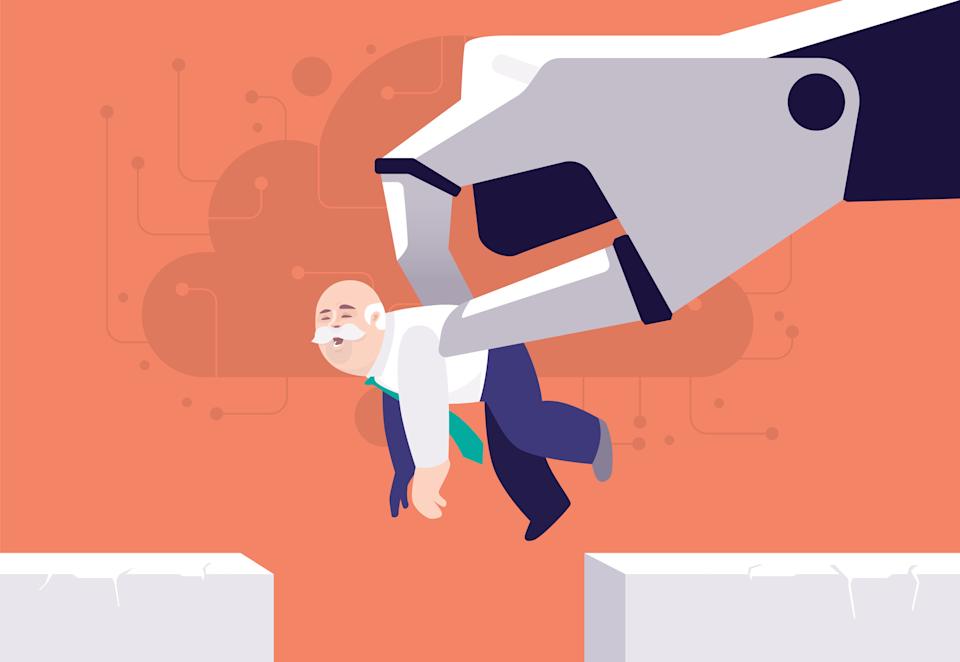
Illustration: id-work / Getty Images
Recently, a startup founder messaged his investor to share that he was replacing his entire customer support staff with Claude Code, an AI platform capable of independently writing and deploying software. For Lex Zhao, an investor at One Way Ventures, this signaled a pivotal shift—one where established platforms like Salesforce are no longer the default choice for businesses.
“With coding agents making software creation so accessible, the decision to build rather than buy is becoming the norm,” Zhao explained to TechCrunch.
This trend is just one facet of a larger transformation. The concept of using AI agents to handle tasks traditionally performed by humans is challenging the very foundation of the SaaS business model. Historically, SaaS companies have charged customers based on the number of users, or “seats,” accessing their software. “SaaS has been seen as a highly attractive business model, thanks to its predictable recurring revenue, scalability, and impressive gross margins,” noted Abdul Abdirahman, an investor at F-Prime.
However, as AI agents become capable of handling tasks for entire teams, the per-seat pricing model starts to unravel. Employees can now simply instruct their AI tools to retrieve data or perform functions, reducing the need for multiple user licenses.
The rapid evolution of AI means that new solutions like Claude Code and OpenAI’s Codex can not only mimic core SaaS functionalities but also replicate the add-on features that vendors rely on for additional revenue.
Moreover, customers now have unprecedented leverage in contract negotiations. If they find a SaaS provider’s pricing unappealing, building a custom alternative is easier than ever. “Even if customers don’t choose to build their own, this dynamic puts downward pressure on the contracts SaaS vendors can secure during renewals,” Abdirahman added.
This shift became evident in late 2024, when Klarna announced it had abandoned Salesforce’s flagship CRM in favor of its own AI-driven system. The realization that more companies could follow suit has rattled public markets, causing the stock prices of SaaS leaders like Salesforce and Workday to decline. In early February, a wave of investor sell-offs erased nearly $1 trillion in market value from software and services stocks, with further losses later that month.
Some analysts have dubbed this phenomenon the SaaSpocalypse, with a new wave of “FOBO investing”—the fear of becoming obsolete—taking hold among investors (Financial Times).
Is This the End for SaaS?
Despite the turbulence, many venture capitalists believe the current anxiety is temporary. “This isn’t the end for SaaS,” said Aaron Holiday, managing partner at 645 Ventures. Instead, he likened it to an old snake shedding its skin—a period of transformation rather than extinction.
AI Disruption and Market Volatility
The pattern in public markets is clear: each time Anthropic unveils a new product, such as Claude Code for cybersecurity or legal tools in Claude Cowork AI, related software stocks take a hit (Business Insider). This is partly because SaaS companies had been overvalued, especially after years of growth fueled by low interest rates. As borrowing costs rise, so do the challenges for these businesses.
Investors typically value SaaS companies based on projected future revenue. But with the future of SaaS usage in question, every new AI breakthrough sends shockwaves through the market. “For the first time, the long-term value of software is being fundamentally questioned, reshaping how SaaS companies are evaluated,” Abdirahman observed.
Simply adding AI features to existing SaaS offerings may not suffice. A surge of AI-native startups is emerging at unprecedented speed, redefining what it means to be a software company. “Building software is now faster and less expensive, making it easier to duplicate,” said Yoni Rechtman, partner at Slow Ventures.
This shift benefits new startups but poses significant challenges for established players who have invested years in developing their technology stacks. At the same time, it’s unclear whether the new business models that follow will prove sustainable. Some AI companies are experimenting with consumption-based pricing—charging customers based on how much AI they use, often measured in tokens. Others are exploring “outcome-based pricing,” where fees depend on the AI’s effectiveness. Notably, Sierra, an AI startup led by former Salesforce CEO Bret Taylor, has adopted this approach (Sierra Blog).
This strategy appears promising: by November, Sierra reached $100 million in annual recurring revenue in under two years.
There was once a belief that cloud-based software would retain its value indefinitely, outlasting on-premises solutions. While this remains true to some extent, the rise of AI presents a new kind of competition that the cloud alone cannot fend off.
Investors are understandably wary as AI-native companies innovate and adapt more rapidly than traditional SaaS firms. Ironically, SaaS companies themselves were once the disruptors, having replaced legacy on-premises vendors in the previous era.
This so-called SaaSpocalypse brings to mind the idea that when “someone else lights up the room,” the spotlight shifts—echoing a famous Taylor Swift lyric about the allure of the new.
“The SaaS downturn is both a genuine structural change and possibly an overreaction by the market,” Abdirahman concluded, noting that investors often “sell first and ask questions later.”
SaaS IPOs Face Uncertainty
It’s not just public SaaS companies feeling the pressure. According to a recent Crunchbase report, while the IPO market is showing signs of life in some sectors, there are no venture-backed SaaS IPOs on the immediate horizon.
Holiday suggested that large, late-stage private SaaS companies like Canva and Rippling are facing immense pressure due to a challenging IPO environment, heightened expectations from AI advancements, and the volatility of public SaaS stocks. Even mid-sized SaaS firms are struggling to raise additional funding in private markets for similar reasons.
“No one wants to risk the unpredictability of public markets when sentiment can quickly send companies into a downward spiral,” Rechtman commented, predicting that many such companies will remain private for longer periods.
Meanwhile, the public market is eager to see the financials of the first AI-native companies preparing to go public. Rumors suggest that both OpenAI and Anthropic are considering IPOs, possibly as soon as this year.
The Future: Blending Old and New
The most probable scenario is a fusion of traditional and emerging models, as has often happened during past technological shifts. Holiday believes that while many of the new features companies are experimenting with won’t endure, enterprises will always require software that ensures compliance, supports audits, manages workflows, and offers long-term reliability.
“Sustainable shareholder value isn’t built on hype,” he emphasized. “It’s grounded in strong fundamentals, customer retention, healthy margins, real budgets, and defensible business models.”
Disclaimer: The content of this article solely reflects the author's opinion and does not represent the platform in any capacity. This article is not intended to serve as a reference for making investment decisions.
You may also like
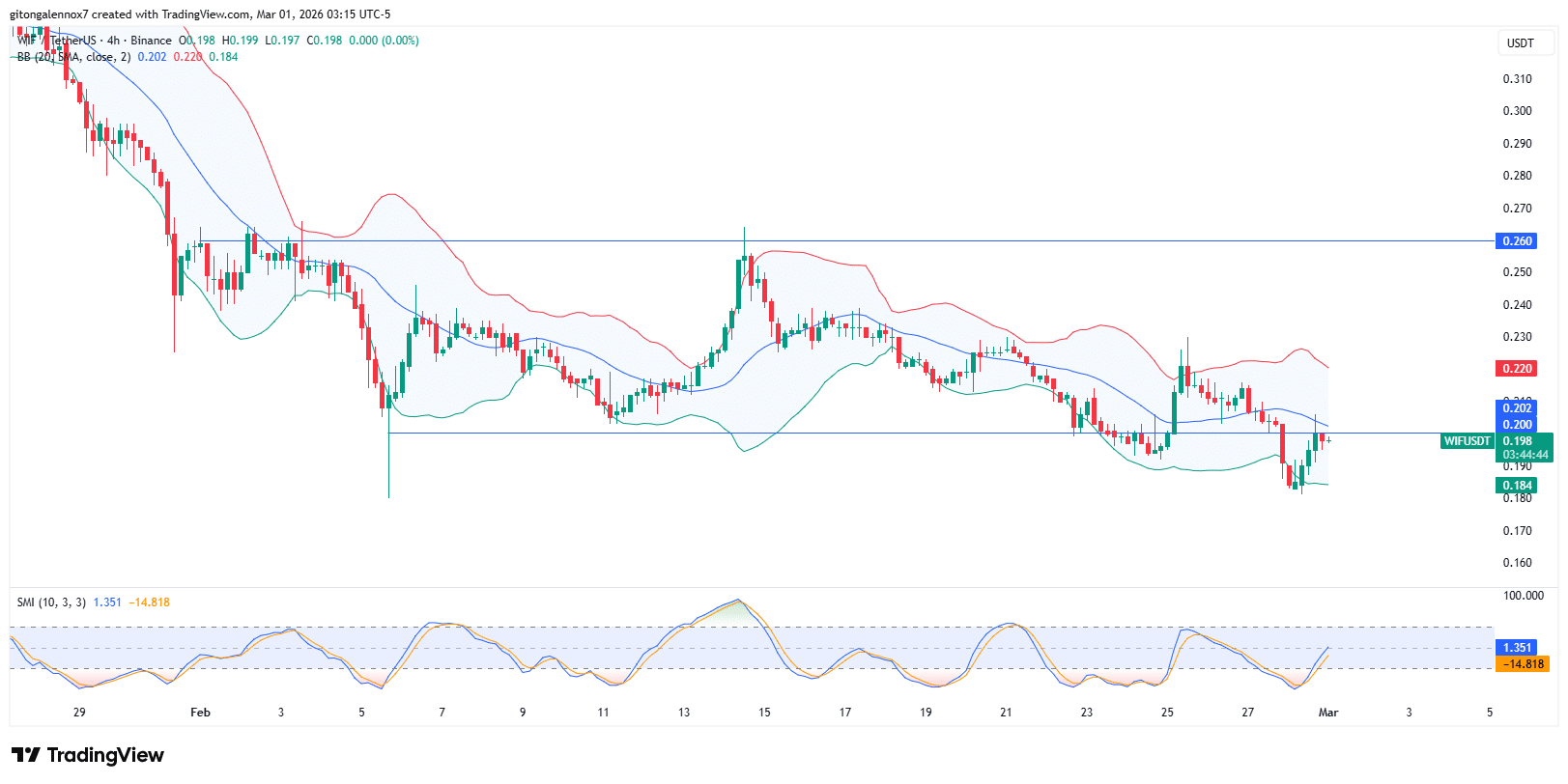
dogwifhat at $0.20: Reversal or further drop, what’s next for WIF?
"A sharp divide": Wall Street assesses the gains and losses as AI-fueled tech stocks tumble
How to Identify an Effective CEO: A Practical Guide
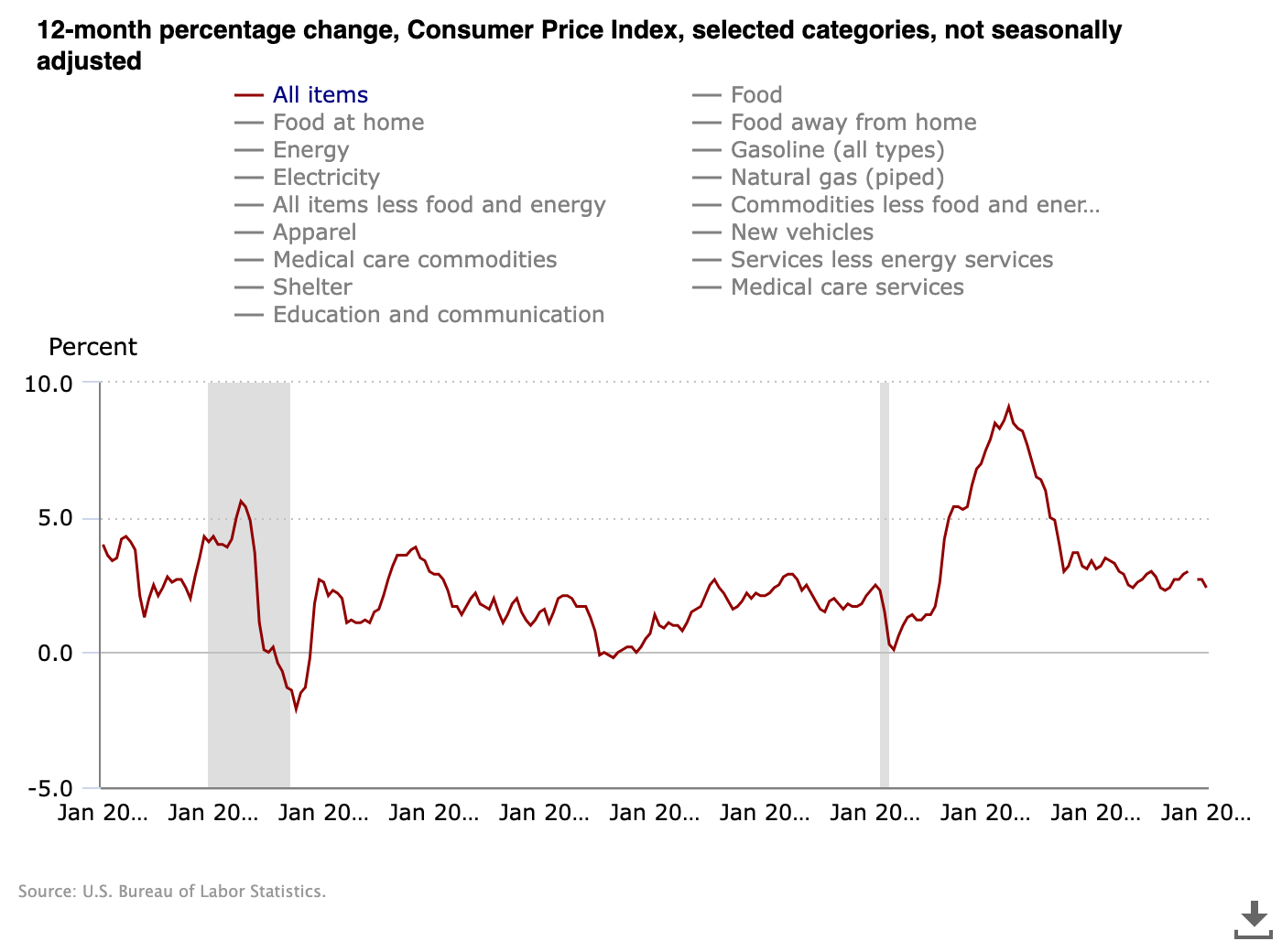
Bitcoin traders eye Iran reactions as oil sparks US 5% inflation forecast
Trending news
MoreCrypto prices
More





