
Opec seeks to profit from Iran turmoil amid soaring oil prices

Regional Tensions Disrupt Oil Shipments
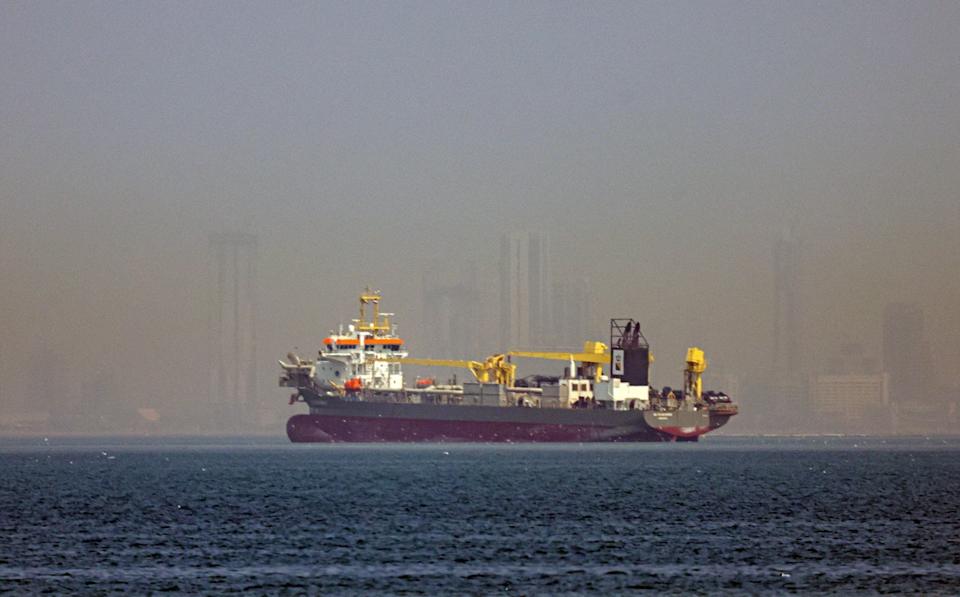
Recent military actions by the United States and Israel targeting Iran have caused significant disturbances in fuel transportation throughout the region.
Oil Producers Respond to Anticipated Price Surge
Major oil-exporting nations have announced plans to increase crude output, aiming to benefit from a potential spike in prices resulting from the ongoing crisis involving Iran.
The Organization of Petroleum Exporting Countries (OPEC) revealed on Sunday that it intends to boost production by 206,000 barrels per day, a figure nearly two-thirds higher than previously expected.
This decision, according to OPEC, is intended to allow member states to accelerate their compensation efforts.
OPEC, which counts Saudi Arabia, Iraq, Kuwait, and the United Arab Emirates among its members, acted out of concern that oil prices could soar toward $100 per barrel when markets reopen, a sharp rise from Friday’s $73 per barrel.
Following the strikes on Iran, Brent crude prices surged by 10% to approximately $80 per barrel in over-the-counter trading, as disruptions to regional fuel shipments intensified.
Shipping Lanes Under Threat
Reports indicate that the Iranian navy has instructed certain vessels that Tehran is restricting passage through the Strait of Hormuz, a vital maritime route through which about 20% of the world’s oil supply is transported.
Although some tankers continue to navigate the Strait, their numbers have dwindled, with around 150 ships now anchored near its entrance. Two vessels have already been struck off the coast of Oman, though details remain unclear.
The absence of an official statement from Iran has added to the uncertainty and confusion in the shipping sector.
Tensions escalated further after the Houthi militia in Yemen, supported by Iran, declared intentions to resume attacks on vessels in the Red Sea corridor.
Economic and Political Reactions
With concerns mounting over rising fuel costs in the UK, Howard Cox from FairFuelUK has called on Rachel Reeves to maintain the current fuel duty for the rest of the parliamentary term during the upcoming Spring Statement.
Defence Secretary John Healey stated that the Chancellor is closely monitoring oil price movements but suggested that immediate intervention is unlikely, noting that the conflict is still in its early stages.
Investors are preparing for heightened volatility in both oil prices and broader financial markets as the week begins.
Neil Wilson, a strategist at Saxo Bank, warned that markets could experience significant upheaval, especially if the conflict escalates further, potentially causing major disruptions in energy markets.
In addition to oil, gold prices are expected to climb, while futures indicate that the FTSE 100 and US stock markets may see declines of around 0.5%.
Uncertainty Surrounds Oil Supply
Although OPEC’s commitment to increase supply might help ease price pressures, the fact that tankers from Saudi Arabia and the UAE must pass through the threatened Strait of Hormuz casts doubt on the reliability of these shipments.
Global Shipping Faces Major Disruptions
Shipping companies have already begun halting operations not just through the Strait of Hormuz, but across the wider Middle East.
Hapag-Lloyd, a leading global shipping firm, announced that its suspension of routes through Hormuz will remain in effect indefinitely, warning customers of possible delays, rerouting, and changes to schedules.
France’s CMA CGM has stopped using the Suez Canal, while Japan’s Nippon Yusen has reportedly instructed its fleet to avoid Hormuz. Maersk is redirecting its container ships from the Middle East to longer routes around Africa.
Analysts warn that a full closure of the Strait of Hormuz could push oil prices toward the $100 per barrel mark.
Amarpreet Singh, an analyst at Barclays, described the situation as highly unpredictable, suggesting that oil prices could test the $100 level soon, with the duration of the spike dependent on how events unfold.
Production Capacity and Market Impact
OPEC had previously limited output due to concerns that oversupply could drive prices below profitable levels for many producers.
However, prices have risen by nearly 20% this year, fueled by increased military presence in the region and market anticipation of possible US-Israeli action against Iran.
Saudi Arabia reportedly has spare capacity of 1.8 million barrels per day, and the UAE could potentially add up to one million barrels daily, though most other producers have limited ability to increase output.
Richard Bronze from Energy Aspects noted that OPEC may only be able to deliver about half of the promised increase, with Saudi Arabia contributing the majority of additional supply.
Singh added that the US could help ease price pressures by releasing oil from its strategic reserves, but according to a US energy official, there have been no discussions about doing so.
If oil prices remain at $100 per barrel, this could accelerate inflation and prevent central banks from lowering interest rates, increasing costs for businesses and potentially slowing economic growth.
Air Travel Severely Affected
The crisis has already caused significant turmoil in the global aviation sector, which faces further challenges from rising oil prices.
Airspace closures across the Middle East and ongoing flight cancellations have disrupted operations at some of the world’s busiest airports.
Emirates, Etihad, and Qatar Airways have yet to resume flights, leaving tens of thousands of travelers stranded in Dubai, Abu Dhabi, and Doha.
Numerous other airlines are also affected, with passengers and crews stuck throughout their networks.
No airline has provided a timeline for when flights might resume, promising only to issue updates early Monday UK time.
Disclaimer: The content of this article solely reflects the author's opinion and does not represent the platform in any capacity. This article is not intended to serve as a reference for making investment decisions.
You may also like
1亿美元回购计划+回应做空报告!ZETA盘前涨超20%,此前两日大跌超50%
Mt. Gox’s Lost Bitcoin Could Be Reclaimed, Former CEO Proposes Rare Hard Fork

Strait of Hormuz closed, inflation at 5%: Will Bitcoin explode or collapse?
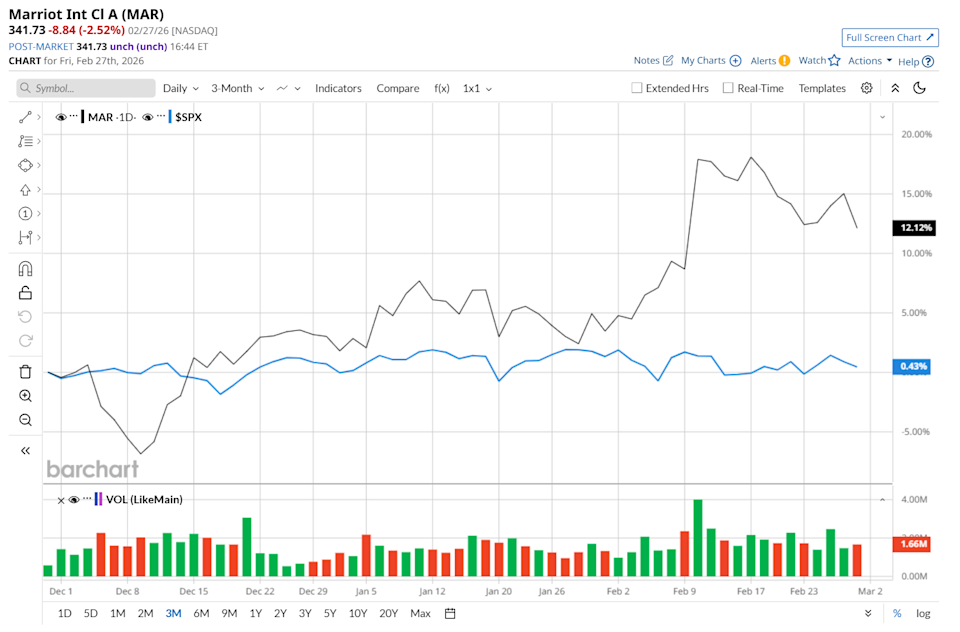
Is Marriott International Shares Beating the S&P 500 Index?
Trending news
MoreCrypto prices
More





