
Fuel Costs Surge Beyond Oil as Iran Conflict Disrupts Supply

Global Fuel Prices Spike Amid Persian Gulf Conflict
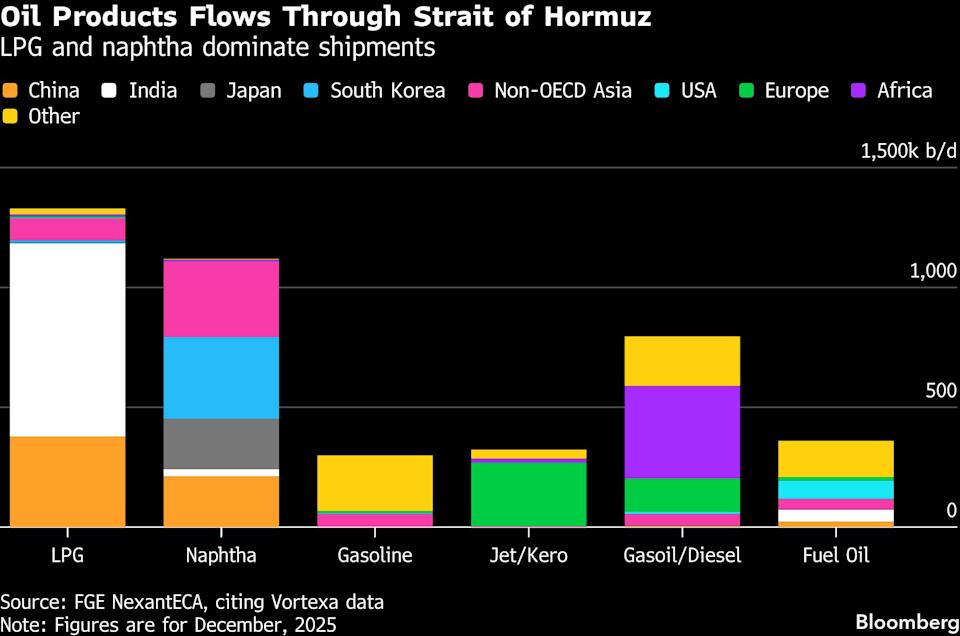
According to FGE NexantECA and Vortexa data, energy markets worldwide experienced a sharp rise in fuel prices on Monday as ongoing conflict in Iran disrupted exports from refineries in the Persian Gulf.
European diesel futures soared by up to 23%, reaching their highest point in two years and surpassing the gains seen in Brent crude. Prices for jet fuel, gasoline, high-sulfur fuel oil, and naphtha—a key ingredient for petrochemicals and road fuel—also climbed significantly.
Shipping through the Strait of Hormuz—a vital route for over four million barrels of petroleum products daily—has come to a near standstill. Additionally, Saudi Aramco halted operations at Ras Tanura, its largest refinery, after a drone attack in the vicinity.
In Kuwait, missile fragments struck the Al-Ahmadi refinery, injuring two workers. However, the facility’s output and activities were not affected.
Eugene Lindell, head of refined products at FGE NexantECA, noted, “The loss of access to 4.3 million barrels per day of refined products from the Persian Gulf will lift refinery margins elsewhere. Refineries that process middle distillates stand to gain the most, as gasoline exports from the region are relatively low.”
Key Exporters and Product Flows
Major oil producers like Saudi Arabia, the UAE, and Kuwait not only export crude but also operate refineries that supply large quantities of diesel, naphtha, and other fuels to global markets.
Most shipments through the Strait of Hormuz consist of liquefied petroleum gas and naphtha. Diesel exports are also substantial, while gasoline and jet fuel volumes are comparatively modest.
Market Reactions and Price Spreads
In Europe, the price gap between jet fuel and crude oil—known as the crack spread—has surged to its highest since mid-2023. Neil Crosby, head of research at Sparta, commented, “Current crack spreads are being driven by risk. The Ras Tanura shutdown not only disrupts immediate product flows but also signals escalating threats to oil infrastructure.”
In East Asia, a major destination for Persian Gulf exports, the premium for naphtha over northwest European prices has reached its highest since early 2023. Meanwhile, margins for high-sulfur fuel oil, used in shipping and power generation, have risen more moderately compared to diesel in Europe.
US and Forward Markets
In the United States, the premium of gasoline over crude oil—referred to as the gasoline crack spread—declined, as US gasoline shipments through the Strait of Hormuz are relatively minor.
Futures markets are also reflecting the supply disruption. In European diesel, the premium for immediate delivery over later dates has widened, a pattern known as backwardation that typically indicates tight supply. Similar trends are seen in high-sulfur fuel oil and jet fuel markets.
©2026 Bloomberg L.P.
Disclaimer: The content of this article solely reflects the author's opinion and does not represent the platform in any capacity. This article is not intended to serve as a reference for making investment decisions.
You may also like
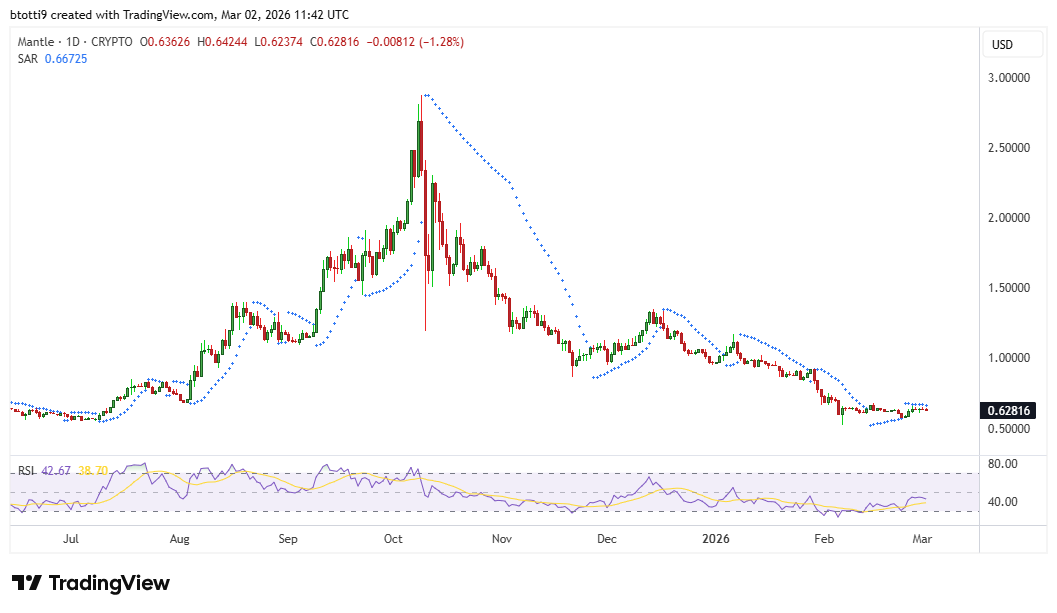
Mantle hits $1B market size milestone on Aave: will MNT price explode next?
Block Street Launches BSB Token to Bridge Crypto Infrastructure Gaps
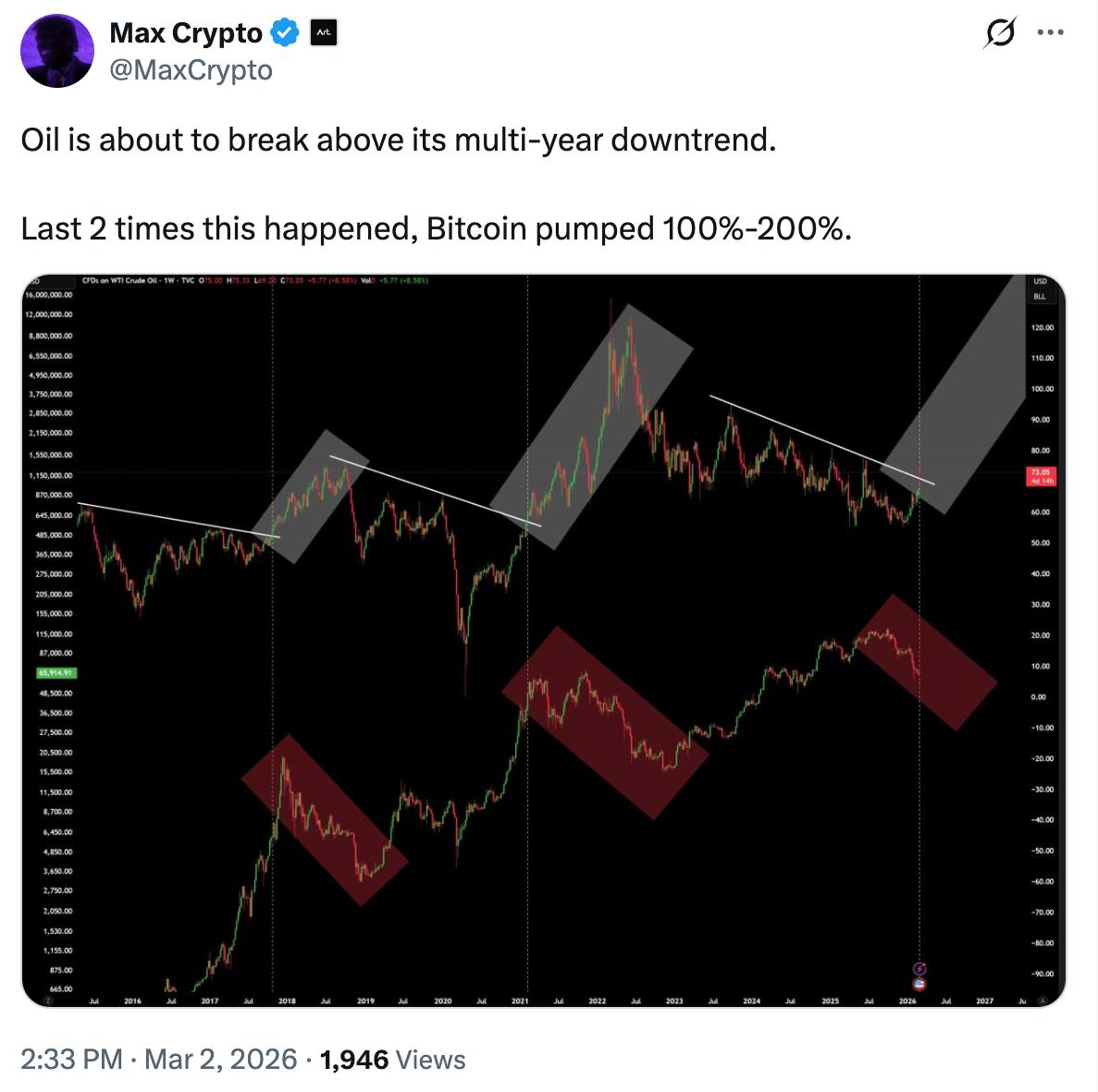
Will Bitcoin crash if oil prices hit $100 per barrel?

Trending news
MoreCrypto prices
More





