
British manufacturers cautioned about disruption from Brussels’ ‘produced in Europe’ initiative

EU Policy Changes Threaten UK Manufacturers
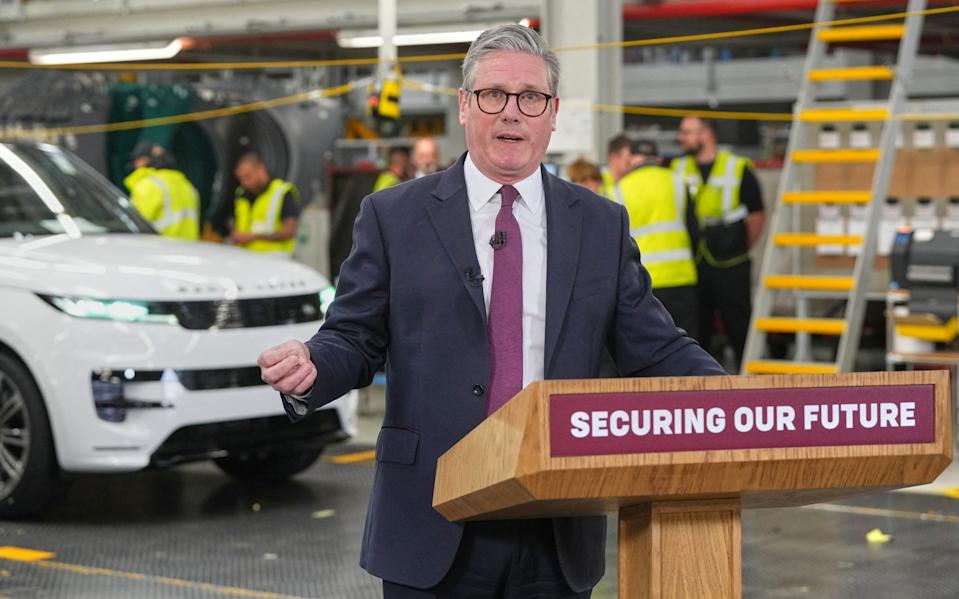
The British Chambers of Commerce (BCC) has raised concerns that new EU initiatives, particularly the “made in Europe” strategy, could lead to UK factories being excluded from European supply chains.
The European Union is considering stricter requirements for domestic content in products like automobiles, aiming to reduce dependence on imports from China and the United States.
According to the BCC, these proposed regulations could disrupt British businesses, creating uncertainty and complications for companies that supply parts to EU manufacturers.
William Bain, who oversees trade policy at the BCC, warned that the most stringent version of the EU’s policy might severely impact cross-border trade and cause significant challenges for European producers who rely on UK components.
The BCC has urged the UK Government to swiftly negotiate special provisions that would protect British firms from these new rules.
Business Secretary Peter Kyle has called on EU officials to recognize British companies as European under the updated regulations.
Bain stressed the urgency of the situation, noting that while the UK Government is aware of the risks and ongoing discussions are taking place, many businesses remain unaware of the potential consequences.
Key Measures Under Consideration
- Brussels is evaluating rules that would require up to 70% of a product’s components to originate from within the EU.
- Additional proposals include sustainability standards, restrictions on foreign investment, and new procurement regulations.
As a result of the UK’s status as a third country, British companies face the possibility of being pushed out of supply chains, with the automotive sector particularly vulnerable. The EU has already started implementing policies to increase subsidies for vehicles manufactured within the bloc.
Patrick Keating, Honda Motor Europe’s head of government affairs, expressed concern about the emphasis on EU-made requirements in the Industrial Accelerator Act, warning that such measures could weaken global supply chains and limit consumer options during the shift to sustainable transportation.
Impact on UK-EU Relations
The EU’s “made in Europe” agenda also poses challenges for Sir Keir Starmer’s efforts to reset relations with the bloc. In May 2025, the Prime Minister outlined plans to strengthen ties with the EU, resulting in new agreements covering animal and plant health, electricity, and carbon pricing.
Last week, Peter Kyle visited Brussels to announce a fresh partnership with the European Commission focused on competition law.
Kyle clarified that the UK is not seeking unrestricted access to EU markets, but rather wants British companies to be included in the “made in Europe” framework.
"We are aiming to build new collaborations, not limit existing ones," Kyle stated.
A government spokesperson added, "The UK is dedicated to being a reliable European partner and is actively engaging with the EU regarding the 'made in Europe' initiative."
"This is a crucial time for us to work together as partners to stimulate growth and expand trade opportunities."
Disclaimer: The content of this article solely reflects the author's opinion and does not represent the platform in any capacity. This article is not intended to serve as a reference for making investment decisions.
You may also like
Why Venture Global Shares Are Surging On Monday?
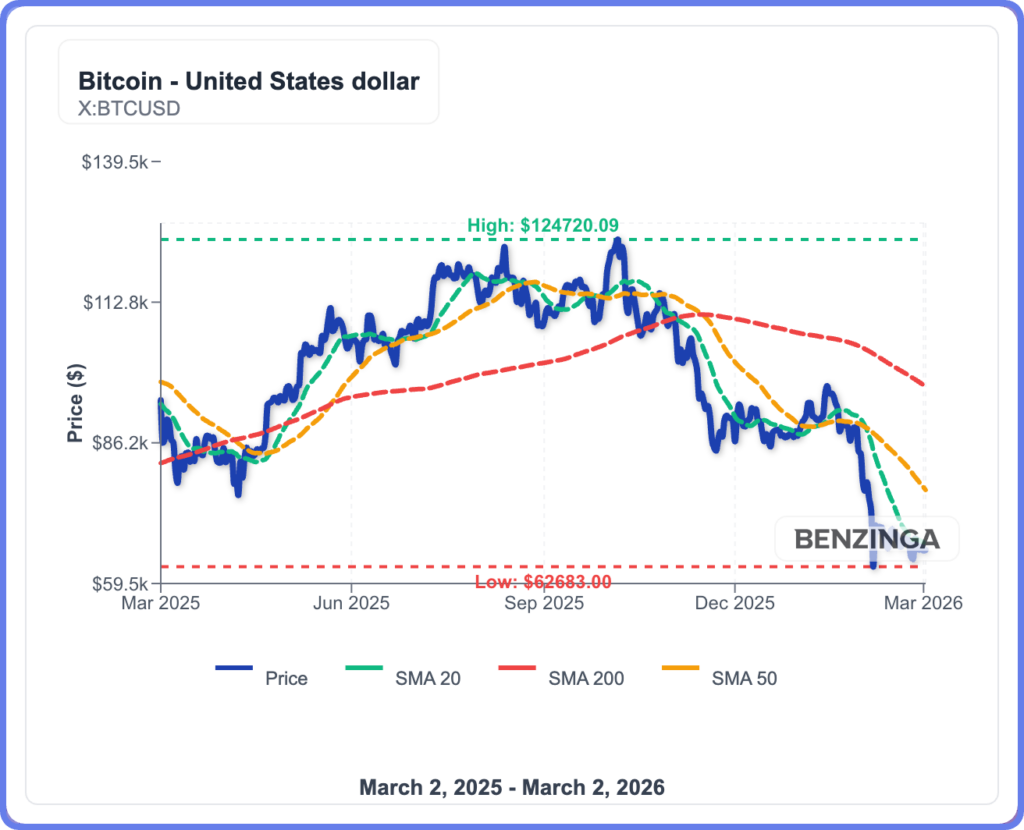
'Set Your Bot To Buy Every Dump'-Watch This Bitcoin Ratio For Accumulation, Analyst Says
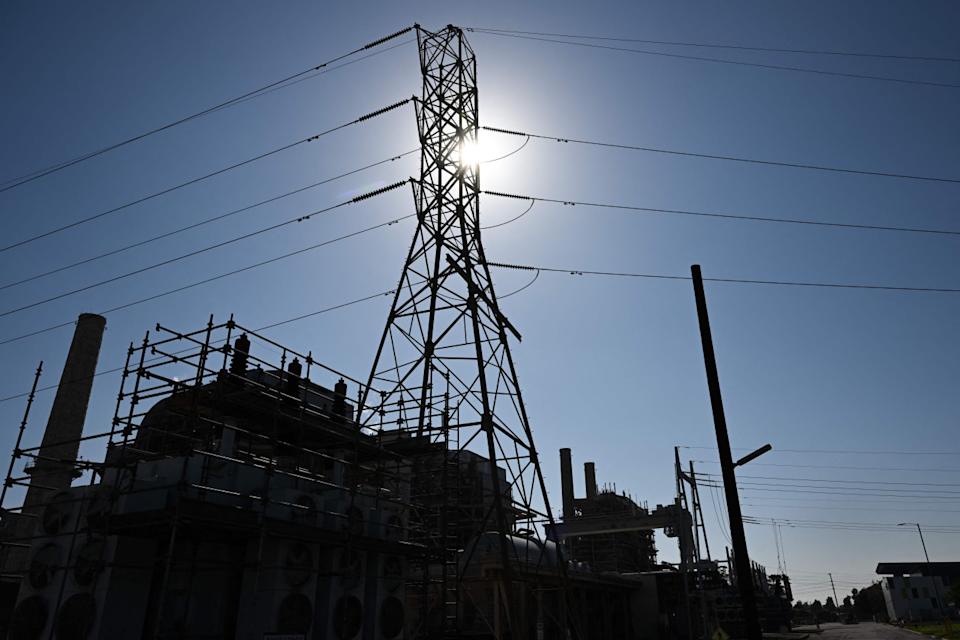
BlackRock and a consortium headed by EQT are set to purchase AES in a $10.7 billion deal
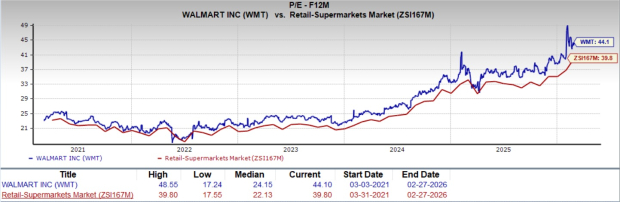
Walmart's
Trending news
MoreCrypto prices
More





