
Why Those Holding SPY Shares May Encounter Trading and AI Challenges in 2026

Key Market Developments Impacting SPY
- Global tariffs have climbed to 15%, heightening economic unpredictability.
- Retail investors have become more active during recent market declines, helping to steady the S&P 500.
- Worries about the disruptive potential of artificial intelligence have triggered widespread sell-offs in technology and trade-sensitive industries.
- International equities have attracted $104 billion in new investments, hinting at a possible shift in investor focus.
- SPY continues to serve as a primary indicator for U.S. stock market trends and investor confidence.
SPY, which tracks the S&P 500, has taken center stage as investors navigate the uncertainties brought on by evolving trade policies and the rapid advancement of artificial intelligence. Recent actions, such as the increase in tariffs by the Trump administration and mounting concerns over AI's economic implications, have fueled volatility throughout U.S. markets. This climate presents both risks and opportunities, especially for those invested in SPY. Gaining a clear understanding of these shifting dynamics is crucial for anyone aiming to adapt their investment strategy in today’s changing environment.
How Trade Policy Shifts Affect SPY
As an ETF that mirrors the S&P 500, SPY is sensitive to changes across the entire U.S. stock market. When trade policies change—such as the recent tariff hike from 10% to 15%—SPY reflects the market’s collective reaction. This move toward greater protectionism can increase operational costs, disrupt global supply chains, and potentially slow economic growth. Market experts point out that these policy changes often drive heightened volatility, particularly in sectors like software and logistics that are deeply connected to international trade.
Beyond the tariffs themselves, the use of Section 122 of the Trade Act of 1974—previously invalidated by the Supreme Court—adds further legal and regulatory ambiguity. This uncertainty complicates the outlook for SPY holders, especially for companies with extensive international operations and intricate supply chains, which are most immediately exposed to these risks.
Market Reactions to AI and Geopolitical Risks
The emergence of artificial intelligence has significantly influenced investor attitudes. Reports highlighting AI’s potential to disrupt established industries have led to notable declines in technology stocks and related fields. Companies in software, payments, and delivery—such as Datadog and Capital One—have experienced losses as investors reconsider their positions amid AI-driven uncertainty. Since SPY includes many of these tech firms, it has experienced increased volatility as a result.
On top of AI-related anxieties, ongoing geopolitical tensions, particularly involving Iran, have contributed to a more cautious market mood. While SPY offers broad diversification, it is still affected by these global forces. Investors should weigh the long-term advantages of AI against current market unease, but for now, defensive strategies are becoming more common.
Is There a Shift Toward International Equities?
With $104 billion moving into international stocks, there is growing evidence that investors are seeking opportunities outside the U.S. This trend may reflect a perception that overseas markets are undervalued or that global economic prospects are more attractive. For those invested in SPY, this could indicate a broader move away from U.S. equities.
Although SPY has long been a preferred vehicle for U.S. market exposure, the increasing appeal of international options underscores the importance of diversification. Investors should evaluate whether their portfolios are balanced between domestic and global assets. However, it’s important to remember that international investments also carry risks, such as currency fluctuations and geopolitical instability.
What Lies Ahead for SPY Amid Policy Changes?
The future direction of SPY will be shaped by several important factors. The administration’s move to implement a 15% global tariff rate, replacing IEEPA tariffs, could alter trade dynamics and influence investor sentiment. Upcoming economic indicators—including the Chicago Fed National Activity Index and factory order data—will help determine whether the U.S. economy is stabilizing or facing new challenges.
Monitoring corporate earnings will also be essential. Earnings reports will shed light on how businesses are adapting to higher tariffs and whether they are absorbing increased costs or passing them on to consumers. For SPY, these results will serve as a key measure of its resilience in a rapidly changing economic landscape.
Ultimately, while SPY remains a popular choice for exposure to U.S. equities, it is not without its vulnerabilities. With ongoing trade disputes and concerns about AI disruption, investors must remain vigilant and adaptable. Understanding the broader market forces at play and aligning investment decisions with long-term objectives will be crucial for navigating the current environment.
Disclaimer: The content of this article solely reflects the author's opinion and does not represent the platform in any capacity. This article is not intended to serve as a reference for making investment decisions.
You may also like
Daily Mirror-owner faces largest loss in ten years as Google traffic declines

Target’s newly appointed CEO reveals his strategy for revitalizing the company

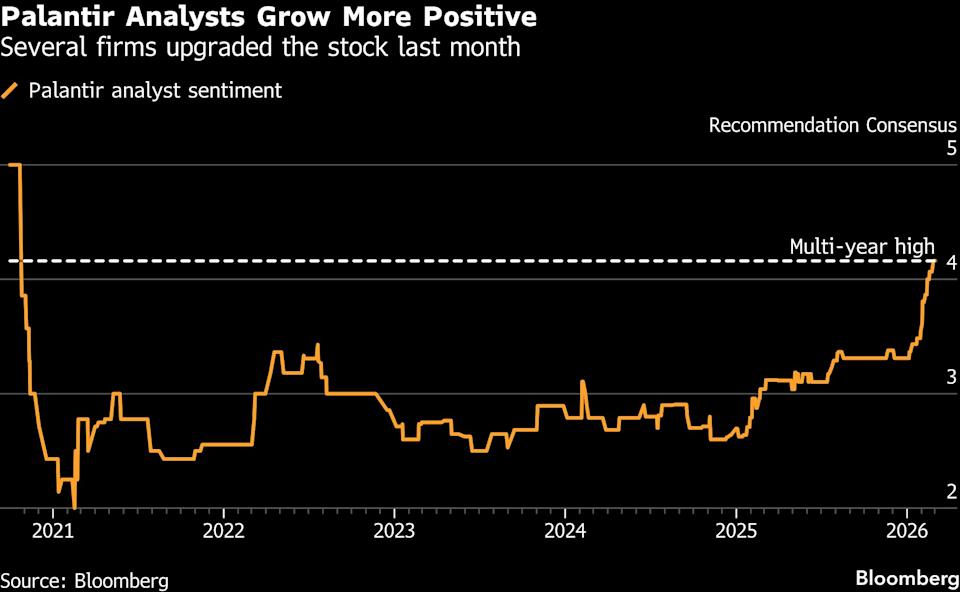
Palantir Returns to Wall Street’s Recommended Stocks Following a 38% Drop
Options Income Daily: MU, SOFI, CRWV and More

Trending news
MoreCrypto prices
More





