
Arctic Chill Triggers Fluctuations in Natural Gas Prices Throughout the Northeast

Alberta Clipper Set to Bring More Wintry Weather to the Mid-Atlantic
As winter draws to a close in the Mid-Atlantic, March remains a month of surprises. Early next week, a swift Alberta Clipper system is expected to sweep through, delivering another bout of winter conditions before milder temperatures arrive later in the month.
Marko Korosec, chief forecaster at SWE, shared in a recent update that this Clipper will bring a mix of snow, ice, and freezing rain from the Midwest to the Mid-Atlantic, starting Sunday and lasting through Tuesday.
What to Expect from the Alberta Clipper
Korosec explained:
Another winter storm is on the horizon for early next week, promising fresh snowfall for regions still recovering from the recent Hernando storm.
From Sunday to Tuesday, the Alberta Clipper will surge rapidly from the Midwest to the Mid-Atlantic, riding a southward push of Arctic air beneath the southern branch of the Polar Vortex.
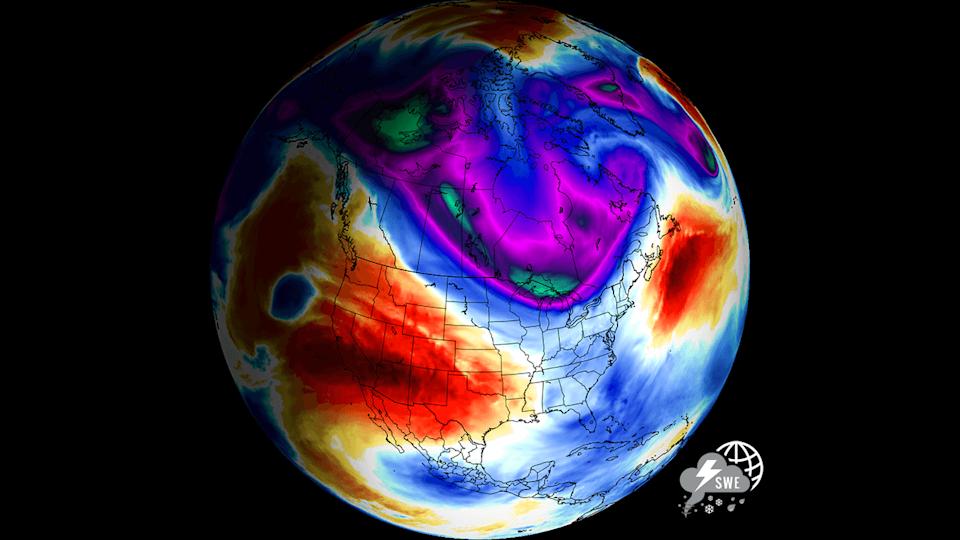
This type of storm is powered by a new influx of Arctic air plunging from Canada into the United States. Typically forming east of the Canadian Rockies in Alberta, these systems move quickly across the northern U.S. toward the East Coast.
Although Clippers don't usually carry much moisture, and thus produce lighter snow totals than other winter storms, they can still cause significant travel issues. They are often followed by sharp drops in temperature as frigid air settles in.
Forecasters are monitoring a potentially disruptive storm that will sweep across parts of the country Sunday and Monday, likely causing travel delays due to a wintry mix. As the upper-level trough dips south, another wave of Arctic cold will surge into the U.S. in the days that follow.
The Alberta Clipper is expected to bring fresh snowfall from the Midwest all the way to the Mid-Atlantic.
Major Cities in the Path
Areas including Chicago, Detroit, New York City, and Philadelphia could see hazardous conditions, with Monday morning commutes affected by new snow and pockets of ice or freezing rain.
The strengthening polar jet stream will maintain a strong Arctic high over Canada, keeping the Great Lakes and Northeast in a deep freeze through midweek. This will result in colder-than-normal temperatures as meteorological spring begins.
Understanding the Polar Vortex’s Role
Before diving into the specifics of this impactful winter storm, it’s important to recognize the influence of the Polar Vortex. This atmospheric phenomenon is a key factor behind rapid weather shifts and intense cold spells across Canada and the United States during the winter and early spring months.
Energy Impacts and Weather Outlook
This winter has been one for the record books in the Mid-Atlantic, with similar patterns noted at Davos earlier this year. However, a return to warmer conditions is on the horizon for Washington, D.C., where temperatures are expected to climb to 70°F in the coming weeks.
For many in the Mid-Atlantic, the arrival of another Clipper could mean higher heating bills, adding to the season’s challenges.
Although a warm-up is forecast for later this month, the immediate arrival of Arctic air coincides with a spike in natural gas futures—prices have surged over 5% at the start of March, with benchmarks approaching $3.03 per MMBtu.
This price volatility follows a severe energy crunch in January, when Winter Storm Fern sent spot prices soaring and depleted national gas reserves. With wholesale power costs up as much as 45% in some areas and a 4% annual increase in the energy Consumer Price Index, the lingering effects of the Polar Vortex are expected to further strain household budgets already stretched by record utility bills.
By Zerohedge
Disclaimer: The content of this article solely reflects the author's opinion and does not represent the platform in any capacity. This article is not intended to serve as a reference for making investment decisions.
You may also like
Record turnout at PDAC 2026 highlights renewed investor interest in mining
KeyCorp's Surge: Cramer's Prediction Contrasted with Insider Sales and Congressional Activity
Keysight slips by 0.54% with $550M traded, placing 219th in daily volume
Trending news
MoreCrypto prices
More





