
Chevron's Stock Rises 1.52% as Geopolitical Tensions Force Field Shutdown Trading Volume Jumps 32.87% to Rank 24th

Market Snapshot
Chevron (CVX) shares rose 1.52% on March 2, 2026, with a trading volume of $2.98 billion, a 32.87% increase from the prior day. The stock ranked 24th in terms of trading volume among all equities, reflecting heightened investor activity amid ongoing geopolitical tensions in the Eastern Mediterranean. The rise in volume and price followed news of a government-ordered temporary shutdown of Chevron’s Leviathan gas field in Israel, which triggered a force majeure declaration and raised concerns about regional energy stability.
Key Drivers
The primary catalyst for Chevron’s stock movement was the Israeli government’s directive to suspend operations at the Leviathan natural gas field, operated by ChevronCVX+1.52% with a 39.66% stake. The shutdown, mandated by Israel’s Energy Ministry, was linked to heightened security risks following U.S.-Israeli strikes on Iran and subsequent retaliatory actions in the region. This marks the second such disruption in less than a year, underscoring the vulnerability of energy infrastructure in the Eastern Mediterranean. The force majeure declaration, a legal safeguard against liability for non-delivery, shielded Chevron from contractual penalties but did not mitigate the immediate financial impact of lost production.
The shutdown has significant operational and financial implications. Leviathan, Israel’s largest gas field with an annual production capacity of 12 billion cubic meters (BCM), accounts for roughly half of the country’s natural gas output. A full suspension could result in daily revenue losses of approximately $6.7 million for the field, with Chevron’s share estimated at $2.7 million per day. Over a month, this could translate to losses exceeding $80 million. Additionally, the shutdown threatens to delay Chevron’s $2.36 billion expansion project, approved in January 2026 to boost capacity to 21 BCM/year by the end of the decade. Offshore drilling and subsea work are particularly at risk, with potential setbacks pushing back the 2029-2030 timeline.
Regionally, the disruption exacerbates Egypt’s energy challenges. The country relies heavily on Israeli gas exports, with Leviathan supplying around 1.1 billion cubic feet per day (bcf/d) to Egypt alone. Combined with shutdowns at other fields like Tamar and Energean’s Karish, total halted exports could strain Egypt’s energy system, forcing increased liquefied natural gas (LNG) imports or fuel oil use. Analysts predict Cairo will seek alternative supplies, including QatarEnergy’s summer 2026 LNG cargoes, to offset the shortfall. This shift could temporarily elevate regional LNG prices and ripple into broader energy markets, though global impacts remain muted if the disruption is short-lived.
Investor sentiment was further influenced by the geopolitical context and Chevron’s strategic exposure to the Eastern Mediterranean. The company’s operations in volatile regions have historically faced risks from security-related interruptions, and the Leviathan shutdown highlights the fragility of its regional portfolio. While force majeure clauses protect against penalties, recurring disruptions could erode long-term earnings, particularly under Chevron’s $35 billion, 15-year export deal with Egypt. This agreement, priced at $7.43 per million British thermal units (MMBtu), amplifies potential revenue losses from prolonged outages. Investors are now closely monitoring developments, with attention on the resumption of operations and the broader stability of the Eastern Mediterranean energy corridor.
The immediate market reaction also reflects broader macroeconomic dynamics. Rising geopolitical tensions in the Middle East, including strikes on the Strait of Hormuz and OPEC+ supply policy debates, have driven oil prices upward. Chevron’s stock, historically correlated with crude prices, benefited from this backdrop. However, the company’s exposure to regional instability introduces a balancing risk: while higher oil prices typically boost upstream earnings, abrupt supply shocks can disrupt operations and trade routes. Analysts note that Chevron’s diversified global footprint may cushion some of these impacts, but the Leviathan shutdown remains a focal point for near-term volatility.
In summary, Chevron’s stock performance on March 2, 2026, was driven by a confluence of geopolitical risks, operational disruptions, and regional energy dynamics. The Leviathan shutdown not only highlights the company’s vulnerability to Middle East tensions but also underscores the interconnectedness of the Eastern Mediterranean gas market. As investors weigh these factors, the focus will remain on the duration of the outage, the pace of regional de-escalation, and Chevron’s ability to navigate a volatile operating environment.
Disclaimer: The content of this article solely reflects the author's opinion and does not represent the platform in any capacity. This article is not intended to serve as a reference for making investment decisions.
You may also like
Analysis-Investors make a dash for cash as Iran crisis upends markets
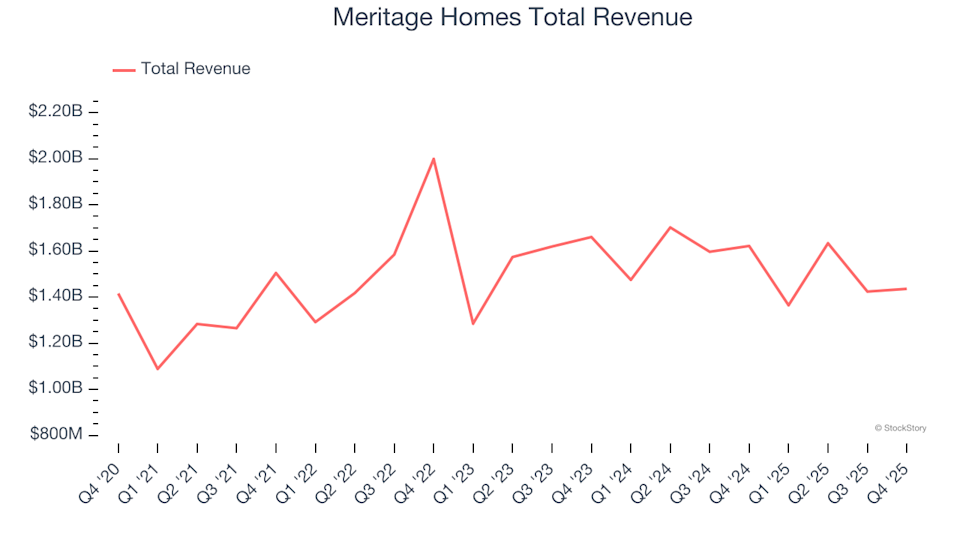
Home Construction Stocks Q4 Overview: Comparing Meritage Homes (NYSE:MTH)
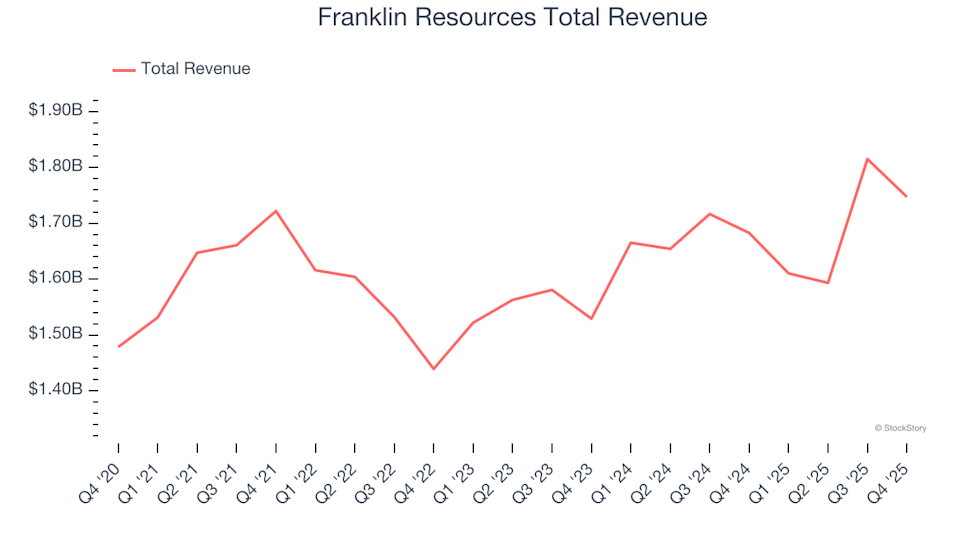
Reflecting on the fourth quarter financial results of custody banks: Franklin Resources (NYSE:BEN)
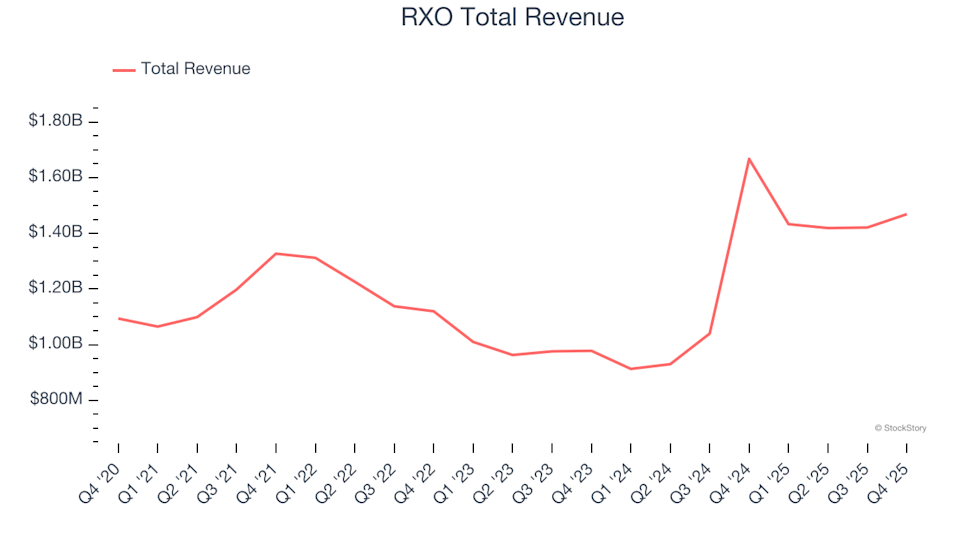
Ground Transportation Shares Q4 Overview: Comparing RXO (NYSE:RXO) Performance
Trending news
MoreCrypto prices
More





