
Walmart Shares Drop to 38th Place in Trading Activity as 32% Surge Offsets Online Growth and Legal Resolutions

Walmart Market Overview
As of March 2, 2026, Walmart (WMT) ended the trading session at $127.10, marking a decrease of 0.66% from its previous closing price of $127.95. The trading volume reached $2.17 billion, which is 41.63% lower than the day before, ranking the stock 38th among U.S. equities by volume. Despite this daily setback, Walmart has demonstrated impressive growth over the past year, achieving a total return of 30.13%, outpacing the S&P 500’s 15.57%. Since the start of the year, Walmart shares have climbed 14.08%, significantly ahead of the S&P 500’s 0.53% gain. The company currently trades at a forward P/E ratio of 43.10 and a trailing P/E of 46.56, with a forward dividend yield of 0.77% based on its upcoming $0.248 per share dividend. Analysts’ consensus 12-month price target stands at $135.90, reflecting ongoing confidence in Walmart’s future prospects despite recent market fluctuations.
Main Factors Influencing Performance
Walmart’s share price has surged 32% over the past year, fueled by strong fourth-quarter results and ongoing investments in its digital business. The company’s Q4 2026 earnings showcased notable gains in online sales, especially within grocery and general merchandise categories, as Walmart continues to strengthen its position in the e-commerce sector. This growth has pushed its market capitalization to $1.013 trillion, even after the recent decline. The expansion of Walmart’s digital operations mirrors broader shifts in consumer behavior toward online shopping, a trend that has accelerated due to inflation and changes in the labor market. However, Walmart’s elevated valuation—reflected in its trailing P/E of 46.56—raises questions about the sustainability of its growth amid challenging economic conditions.
Regulatory issues have also come into focus following a $100 million settlement related to driver compensation. This settlement, which resolves allegations of underpayment for delivery drivers, highlights ongoing challenges in managing labor costs and adhering to evolving employment regulations. While the financial impact is relatively minor compared to Walmart’s $713.16 billion in revenue over the past year, it brings attention to the company’s legal risks within its logistics operations. Analysts suggest that while such settlements are not expected to recur frequently, they could indicate increasing regulatory scrutiny for major retailers, potentially affecting profit margins over time.
Walmart’s competitive environment is becoming more complex due to aggressive strategies from discount competitors and evolving consumer tastes. The company faces stiff competition from retailers like Target and Costco, both of which are investing in private-label offerings and digital platforms. For instance, Target’s initiative to remove synthetic colors from cereals by May 2026 underscores the industry’s shift toward healthier, higher-quality products—a trend Walmart must address to maintain its market position. In response, Walmart announced in October 2025 that it would eliminate synthetic dyes from its U.S. private-label products by 2027, reflecting its commitment to regulatory compliance and consumer preferences. While these initiatives are essential for long-term growth, they may require upfront investments that could temporarily weigh on earnings.
Analysts generally maintain a positive outlook, with Tigress Financial reaffirming a “Buy” rating and raising its price target to $150 per share. The firm points to Walmart’s robust financial position, including $10.73 billion in cash and $7.77 billion in levered free cash flow, as strengths that can help the company weather short-term challenges. Nevertheless, Walmart’s high debt-to-equity ratio of 63.19% and sensitivity to interest rate changes may limit its flexibility to pursue further growth opportunities. The recent pullback in share price, despite solid fundamentals, may signal investor caution ahead of the company’s upcoming earnings report on May 14 and broader market uncertainties.
Outlook
Walmart’s recent performance reflects a balance between optimism driven by growth initiatives and concerns over regulatory and legal challenges. The company’s focus on expanding its e-commerce presence and adapting to consumer trends supports its long-term outlook, but near-term risks such as labor disputes and compliance issues require careful oversight. With analysts maintaining high price targets, confidence in Walmart’s ability to navigate these complexities remains strong, though investors will be closely watching its first-quarter results and strategic moves in the months ahead.
Disclaimer: The content of this article solely reflects the author's opinion and does not represent the platform in any capacity. This article is not intended to serve as a reference for making investment decisions.
You may also like
Bitcoin Treasury Inflows Decelerate: Company Holdings Compared to ETF Withdrawals
Google reaches agreement with Epic Games, reduces Play Store commission fees to 20%

Reflecting on the fourth quarter earnings of financial technology stocks: Remitly (NASDAQ:RELY)
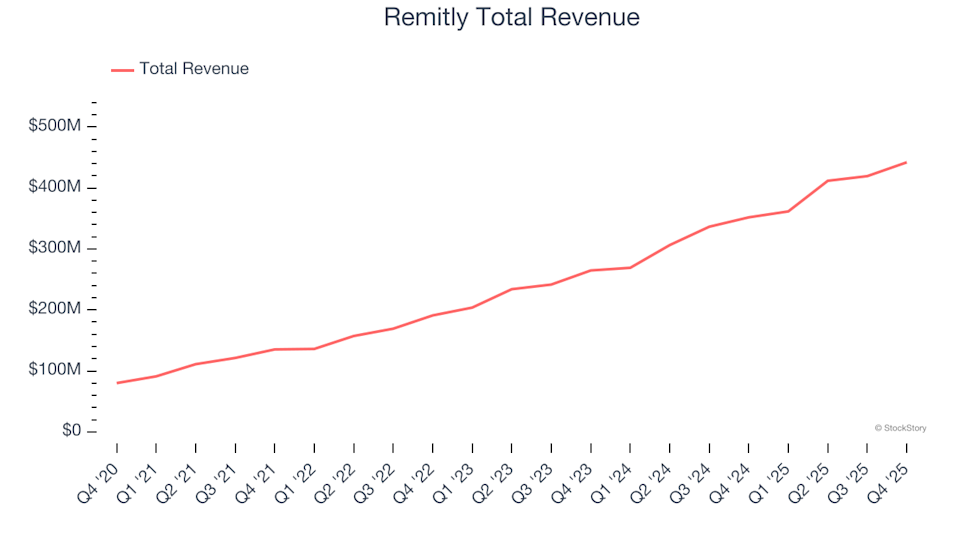
Reflecting on the fourth quarter earnings of financial technology stocks: Remitly (NASDAQ:RELY)
Trending news
MoreCrypto prices
More





