
Delta's stock drops by 2.21% due to lower-than-expected revenue and ongoing global conflicts, placing it 180th in trading volume.

Delta Air Lines: Market Overview
On March 2, 2026, Delta Air Lines (DAL) experienced a 2.21% drop in its share price, closing at $64.25. The trading volume reached 740 million shares, placing the stock 180th in terms of daily activity. This decline reversed earlier gains, as the stock pulled back amid heightened market volatility driven by ongoing geopolitical unrest.
Main Influences on Performance
Delta’s notable share price decrease followed a mixed quarterly earnings release and intensifying regional conflicts that increased risks for the airline sector. In the fourth quarter of 2025, Delta posted earnings per share of $1.55, slightly above the $1.52 estimate. However, revenue came in at $14.61 billion, missing the anticipated $14.72 billion. Although the airline reported a record $58.3 billion in annual revenue and $4.6 billion in free cash flow, the revenue miss raised questions about Delta’s ability to sustain pricing power and demand in a competitive market.
Further complicating the outlook, escalating tensions in the Middle East pushed oil prices higher and disrupted international travel patterns. Like its industry peers, Delta is contending with increased fuel expenses and waning consumer confidence amid global uncertainty. Delta’s stock was part of a broader sell-off in travel stocks, with similar declines seen in United Airlines and American Airlines. Additionally, Delta temporarily suspended flights between New York’s JFK Airport and Tel Aviv through March 8–9, adding to concerns about near-term international demand.
Despite these challenges, Delta’s leadership remains upbeat about the future, forecasting 20% growth in earnings per share for 2026, a 5–7% rise in first-quarter revenue, and free cash flow between $3 and $4 billion. The company also announced plans to purchase 30 Boeing 787-10 aircraft to fuel long-term expansion. Nevertheless, analysts have pointed out several risks, including possible regulatory adjustments to credit card fees, potential supply chain issues affecting aircraft deliveries, and ongoing operational hurdles as the airline recovers from the pandemic’s impact.
The gap between Delta’s solid earnings and the negative market reaction highlights investor concerns about the company’s ability to deliver in the short term. While Delta’s financial health and strategic investments remain strong, the combination of geopolitical instability and lower-than-expected revenue has weighed on the stock. UBS analysts have reiterated their “Buy” recommendation but have reduced their price target from $90 to $87, signaling a more cautious outlook as Delta navigates current economic headwinds.
In conclusion, Delta’s recent share price decline is the result of several converging factors: missing revenue expectations in the fourth quarter of 2025, rising fuel costs due to regional conflicts, and broader worries about travel demand. Although the company’s long-term growth plans are still on track, immediate market conditions have shifted attention to short-term risks, putting pressure on investor confidence despite Delta’s strong fundamentals.
Disclaimer: The content of this article solely reflects the author's opinion and does not represent the platform in any capacity. This article is not intended to serve as a reference for making investment decisions.
You may also like
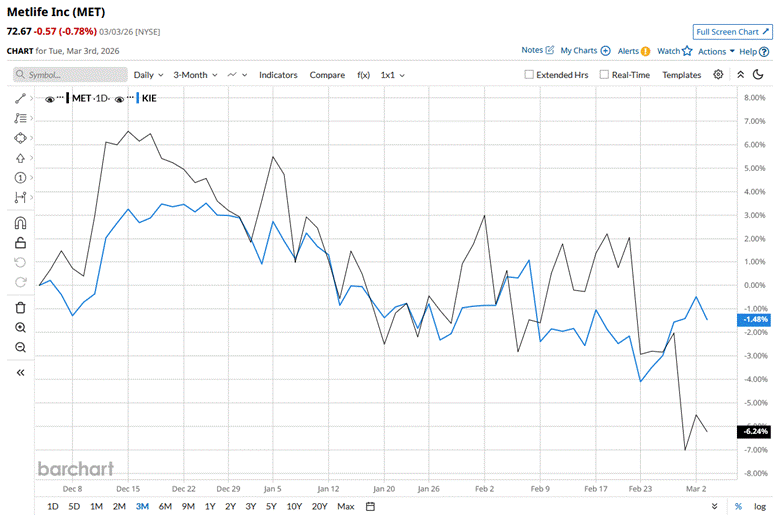
How does MetLife's stock performance stack up against other insurance companies?
Why Peter Thiel’s Founders Fund walked away from an Ether treasury bet

Rising energy prices from the Iran war could help Russia pay for fighting in Ukraine
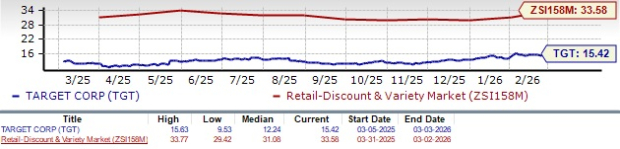
Target shares climb 7% following announcement of ambitious long-term growth plan
Trending news
MoreCrypto prices
More





