
India’s Pronto legitimizes domestic assistance as its valuation surges eightfold in less than a year

Pronto: Transforming India’s Domestic Help Sector
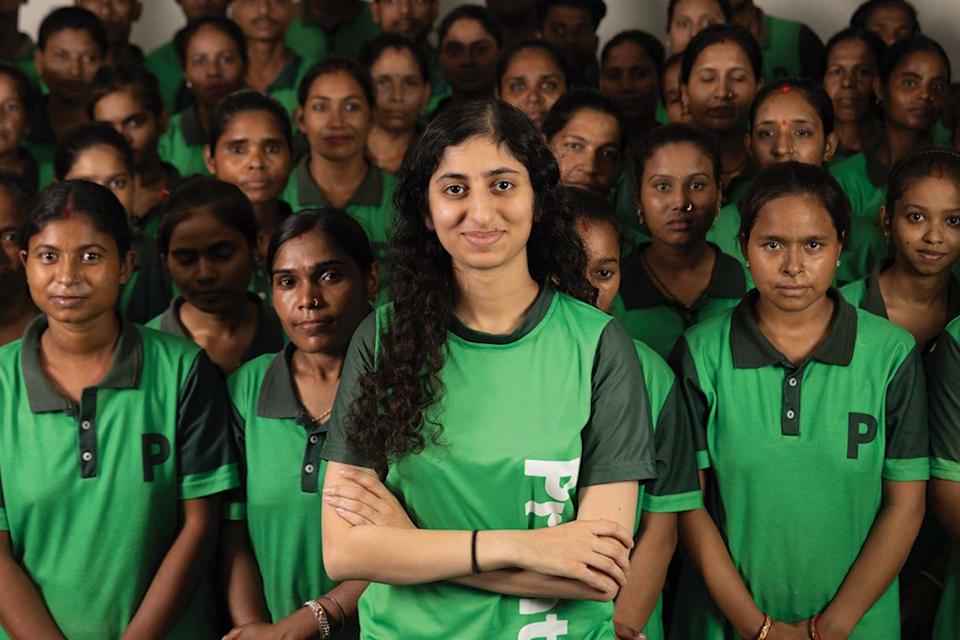
Image Credits: Pronto
Based in Bengaluru, Pronto is digitizing India’s traditionally informal domestic help industry. As the number of daily bookings rises and its presence spreads to more cities, the company is attracting significant investor interest.
On Tuesday, Pronto announced it had secured $25 million in Series B funding, led by Epiq Capital, bringing the company’s valuation to $100 million—more than double its $45 million valuation from August 2025 and over eight times its $12.5 million valuation when it exited stealth mode in May. Existing backers, including Glade Brook Capital, General Catalyst, and Bain Capital Ventures, also contributed, raising Pronto’s total funding to approximately $40 million.
Fast, Reliable Domestic Services
Pronto delivers prompt and organized solutions for everyday household chores, such as mopping and dishwashing, with vetted and trained professionals available on demand. In several city zones, the company can dispatch workers in as little as 10 minutes, aligning its model more closely with rapid delivery services than traditional home help platforms. Each “Pro” undergoes thorough background checks and in-person training, and is scheduled for structured shifts, offering more stable earnings compared to the sector’s usual informal arrangements.
Rapid Growth and User Engagement
According to founder Anjali Sardana, Pronto now processes 18,000 bookings daily—a dramatic increase from about 1,000 per day a year ago. The median time between a user’s first and second booking is just two days, and the top 10% of customers place nine or more orders each month. The company aims to reach 70,000 daily bookings by June.
Expanding Reach Across India
Pronto has rapidly scaled its operations, moving from a single city to 10—including Delhi NCR, Bengaluru, and Mumbai—and from five to over 150 micromarkets in just seven months. However, the majority of activity remains concentrated in a few key regions, with the National Capital Region (NCR) accounting for about half of all bookings.
Untapped Market Potential
Despite its growth, Pronto has only begun to scratch the surface of India’s largely offline domestic services market, where most hiring still happens through informal channels. Sardana estimates that 99.99% of the market remains offline, with fewer than 100,000 people using online services daily, while tens of millions of households continue to rely on traditional arrangements.
Research indicates that India’s home services sector was valued at ₹5,100–5,210 billion (approximately $56–$57 billion) in FY 2025. Yet, online transactions account for less than 1% of the total, underscoring the dominance of word-of-mouth referrals. Nonetheless, the online segment is expected to expand at an 18–22% compound annual growth rate through FY 2030, driven by rising incomes, urbanization, and a growing preference for convenience and reliability.
Building a Skilled Workforce
Pronto currently partners with 4,500 active professionals, with women making up about 99% of its workforce. Those who work around 20 days per month earn a median monthly income of ₹23,000 to ₹25,000 (roughly $251–$273), and monthly retention rates exceed 70%. Despite this, demand for services continues to outstrip the pace at which new workers are onboarded, with bookings increasing by about 20% each week.
As Pronto expands into new regions, its unit economics are still evolving. Sardana noted that the company’s oldest micromarkets in Gurugram are now profitable, while newer areas are still in the investment phase.
To date, Pronto has spent about $8 million and, following the latest funding round, has secured enough capital to operate for roughly two more years.
The new funds will be used primarily to recruit more professionals, strengthen the company’s presence in existing cities, and enter new markets. Pronto is also testing additional services such as cooking, car washing, and dog walking, and is considering expanding into categories like salon services. For now, core offerings like sweeping, mopping, and dishwashing remain the most popular.
The company operates with a core team of around 60 employees, including 15–16 in engineering, product, and design, while marketing is managed by a small, focused team.
Competitive Landscape
Pronto faces stiff competition in India’s home services sector, contending with companies like Snabbit and the publicly listed Urban Company. Snabbit recently raised $30 million at a $180 million valuation and reported 830,000 orders in February, up from 500,000 in December. Urban Company, meanwhile, surpassed 50,000 daily bookings in February.
Data shows that Pronto’s daily active users grew by about 37% to 101,000 between late January and late February, outpacing Snabbit’s 30% growth to 93,000 daily users during the same period.
Sardana emphasized that Pronto’s primary focus remains on delivering high-quality service, believing that customers will ultimately choose the platform that offers the best experience.
Disclaimer: The content of this article solely reflects the author's opinion and does not represent the platform in any capacity. This article is not intended to serve as a reference for making investment decisions.
You may also like
The Crypto and Stock Market Rebound Is Coming This March: Fundstrat’s Tom Lee
Cosmos (ATOM) Price Prediction 2026, 2027 – 2030: Will ATOM Price Hit $300?
Santiment Reveals 10 Altcoins Experiencing Whale Trading Explosion While Bitcoin (BTC) Rises!

Why Is the Crypto Market Going up Today [Live] Updates on March 3, 2026
Trending news
MoreCrypto prices
More





