
Negotiation breakdown details revealed, US envoy: Iran rejected the "ten years of zero enriched uranium" proposal! Iran releases footage of attack on US military base, US Secretary of State: The next stage of US strikes against Iran will be even stronger

On March 2 local time, President Trump’s envoy, Witkoff, stated that before the U.S. military launched large-scale military operations against Iran on February 28, efforts by Washington and Tehran to reach a nuclear agreement had ultimately collapsed, and by the third round of talks it was “clearly impossible” to achieve results.
Witkoff said that President Trump sent him and Jared Kushner to Geneva to meet with the Iranian side to determine whether Iran was seriously considering an agreement that would meet American objectives.
Witkoff said that during the negotiations, the U.S. proposed that Iran completely stop uranium enrichment within ten years, and the U.S. would provide nuclear fuel. “We discussed this with them and stated that we’d pay for the fuel costs,” he said. “Iran refused, which made us realize their intention was to retain uranium enrichment capability for weaponization.”
Witkoff noted that by the end of the second round of talks, he and Kushner already believed it would be difficult to reach an agreement, but still decided to proceed with a third round as a last-ditch effort. “By the end of the second meeting it was clear it was almost impossible, but we still went back for a third meeting to make one last effort,” he said. “They wanted us to report positive progress publicly, but that meeting was not positive.”
Iran Releases Footage of Attack on U.S. Military Base: 20 Drones and 3 Missiles Hit U.S. Air Force Base in Bahrain
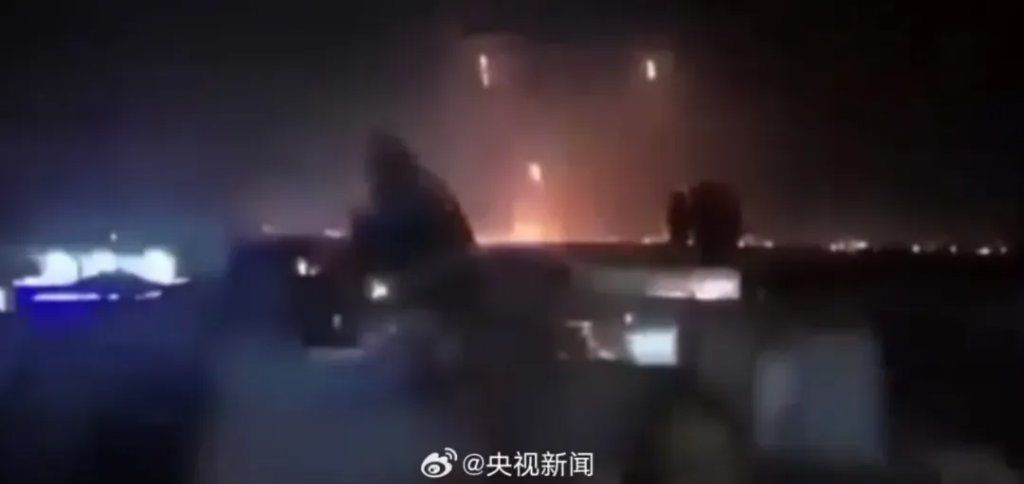
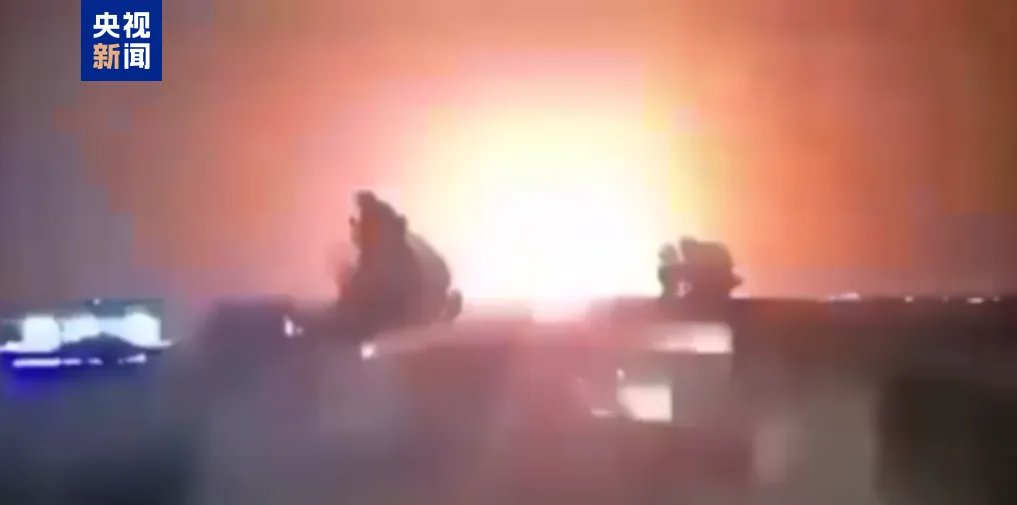
On March 3 local time, the Islamic Revolutionary Guard Corps of Iran issued a statement saying that on that day, Iran targeted the U.S. Air Force base in Shaikh Isa, Bahrain, with large-scale drone and missile attacks.
The statement said that in this attack, 20 drones and 3 missiles hit the target, the main command building of the U.S. Air Force base was destroyed, the fuel depot was set on fire, and flames and thick smoke were seen rising.
So far, the United States and Bahrain have not released any related information.
Trump Says He’s Not Worried About Attacks on U.S. Territory; Secretary of State: The Next Phase of Strikes on Iran Will Be Stronger
On March 2 local time, U.S. President Trump stated he is not worried about threats of attacks on U.S. bases or even U.S. territory, saying, “This is part of war.”
When pressed about whether the military operations against Iran might end early, Trump said: “I don't know… All I can tell you is, we're making very good progress. We’ve caused tremendous destruction to their ability to possess nuclear weapons and any type of missiles.”
Trump said that the United States would only deploy ground forces “if necessary.” When asked what constituted “necessary,” Trump said: “I'm not going to tell you any details. I don’t think we’ll have any need to do so.”
Secretary of State Rubio said on March 2 that the “most ferocious strikes” by the U.S. military against Iran “haven’t come yet.” In the next stage, strikes against Iran will be even more intense.
A senior U.S. official said the United States is preparing for a “substantial increase” in attacks on Iran within the next 24 hours. The official stated that the U.S. estimate is that the first round of attacks achieved the goal of weakening Iran’s defenses, and the next phase will focus on destroying Iran’s missile production, drone, and naval capabilities.
According to Xinhua News Agency, in the early hours of March 3, the U.S. State Department updated travel warnings for Jordan, Bahrain, and Iraq, ordering non-essential government personnel to evacuate.
Iranian Foreign Minister: The U.S. Should Be Questioned Regarding the Outbreak of War
Iranian Foreign Minister Aragchi stated on March 2 local time that Gulf countries should not pressure Iran to explain attacks on U.S. targets on their territory but should question the U.S. as to why it launched an “unjustified and illegal war,” plunging the entire region into crisis.
Aragchi stated that the U.S. claimed not to have used countries in the region, and those countries also denied opening their airspace or territory. If that’s the case, “how did those U.S. aircraft enter Kuwaiti airspace?” Aragchi revealed that Iran would submit a formal protest note to the Kuwaiti government on March 3, requiring an explanation from Kuwait.
On March 2, Iran’s Khatam al-Anbiya Central Command reported that three U.S. fighter jets were shot down by Iran’s air defense system.
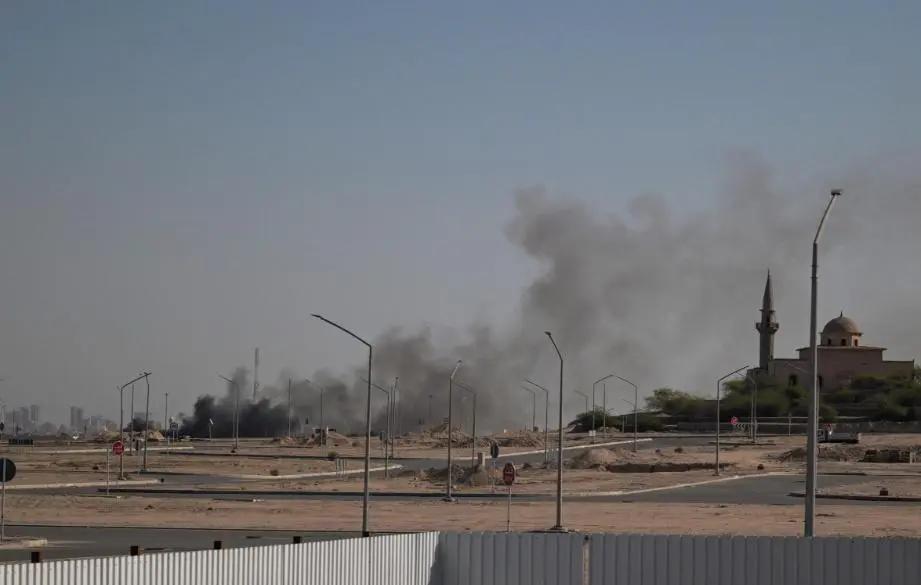
△ Thick smoke rising within the courtyard of the U.S. Embassy in Kuwait. Image source: CCTV News
Earlier that day, Kuwait’s Ministry of Defense stated that "several" U.S. military aircraft crashed within the country, but all crew members survived.
On the same day, U.S. Central Command issued a statement saying that three U.S. F-15E fighter jets crashed while operating in Kuwait due to a suspected “friendly fire” incident, but the pilots were unharmed. The statement said the cause of the accident is under investigation.
Multiple Maritime Insurers Will Cancel War Risk Insurance for Vessels Operating in the Gulf Region
According to Iranian media reports on March 2, Iranian Islamic Revolutionary Guard Corps commander Jafari stated that any vessel attempting to pass through the Strait of Hormuz would be destroyed, and that Iran would not allow a single drop of oil to leave the region. However, according to U.S. Fox News, senior U.S. military officials said Iran has not patrolled or blockaded the Strait of Hormuz. Currently, there is no evidence of mines in the waters, but merchant ships are navigating in the region with caution.
Due to the spillover risks of U.S. and Israeli strikes on Iran affecting international maritime shipping, several maritime insurers announced on March 2 that they will cancel war risk insurance for vessels operating in the Gulf region starting from the 5th. This move will further restrict ships from passing through the Gulf region.
According to U.K. sources, several major maritime insurers headquartered in the U.K., Norway, the U.S., and others, will cancel war risk insurance in Iranian waters as well as the Gulf and adjacent waters starting March 5. War risk insurance typically provides compensation for losses and damages suffered by shipowners due to acts of war and terrorism.
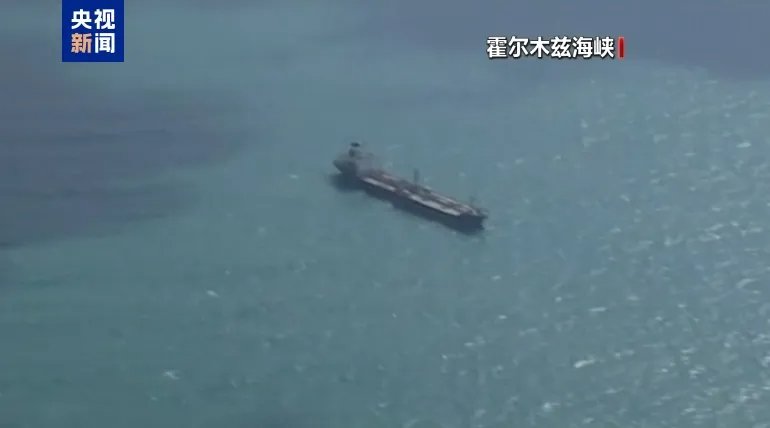
It is reported that between February 28 and March 1, at least 150 vessels—including oil tankers and LNG carriers—were anchored in the Strait of Hormuz and surrounding waters, at least 3 oil tankers were damaged, and 1 crew member died. International Maritime Organization Secretary-General Dominguez issued a statement on March 1 urging all shipping companies to stay on high alert and, unless the situation improves, to avoid sailing through affected areas if possible.
Marcus Baker, Global Head of Marine at Marsh, said several insurance markets had already issued notices of war risk insurance withdrawal in the Gulf region so insurers could review increased risks in the Middle East and adjust their rates. He expects insurance rates in the region to rise from 0.25% to 0.5% or even 1% of the insured asset value.
Some market analysts have noted that recently, driven by both ship rerouting and rising oil prices, the cost of cargo transportation through the Gulf has surged. Rerouting means ships spend more time at sea, reducing capacity. If cargo must arrive at its destination within a specified time, vessels must travel faster, and fuel consumption increases exponentially.
Disclaimer: The content of this article solely reflects the author's opinion and does not represent the platform in any capacity. This article is not intended to serve as a reference for making investment decisions.
You may also like
Daily Mirror-owner faces largest loss in ten years as Google traffic declines

Target’s newly appointed CEO reveals his strategy for revitalizing the company

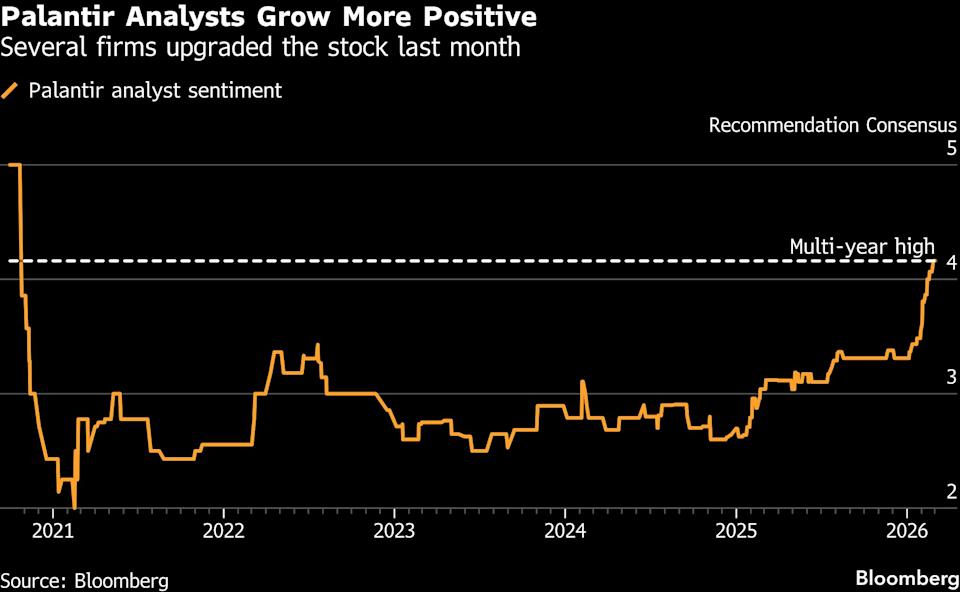
Palantir Returns to Wall Street’s Recommended Stocks Following a 38% Drop
Options Income Daily: MU, SOFI, CRWV and More

Trending news
MoreCrypto prices
More





