
Why are stocks remaining indifferent despite escalating conflict with Iran

US Markets Remain Steady Amid Middle East Tensions
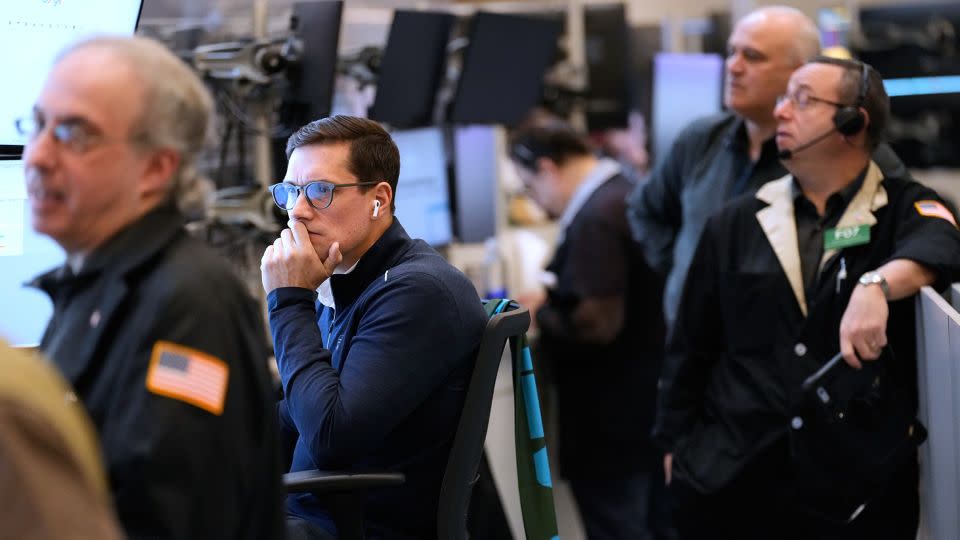
Despite ongoing unrest in the Middle East, the S&P 500 finished Monday with a modest gain. Oil prices climbed and gold saw increased demand, yet the stock market remained largely unaffected by the conflict.
Last week, speculation about AI's potential impact on the economy triggered a sharp drop in the Dow, which fell over 800 points. In contrast, this week’s response to the war was subdued: the Dow slipped just 73 points after recovering from a brief 600-point decline, while the S&P 500 edged up less than 0.1%.
Investors are concerned that artificial intelligence may disrupt traditional business models and profitability. Meanwhile, the conflict with Iran prompted a move toward safe assets like gold, but did not significantly alter expectations for corporate earnings.
Stock market participants are primarily interested in company profits and future outlooks. Although geopolitical events can create uncertainty, the underlying fundamentals of the market have not been substantially impacted so far.
David Stubbs, chief investment strategist at AlphaCore Wealth Advisory, explained, “Typically, global conflicts don’t have a lasting effect on US corporate earnings, which are crucial for the equity market.”
Historically, even wars and international crises have only caused short-term disruptions in financial markets. Analysts note that the most significant risk to the global economy and US stocks would be a disruption in oil supply, but the likelihood of a prolonged impact remains low.
Jason Pride, chief of investment strategy and research at Glenmede, commented, “Geopolitical events often lead to short-term volatility, but rarely change the market’s long-term growth path.”
Stocks Tend to Overlook Geopolitical Risks
On Monday, stocks opened lower but quickly rebounded as investors took advantage of the dip. Despite alarming headlines about military conflicts, history shows that markets often recover and continue to grow.
Pride added, “There have been many events that seemed catastrophic at the time, but ultimately did not harm markets in the long run.”
Some sectors, such as cruise lines and airlines, faced pressure on Monday, but the broader market remained resilient.
Dubai International Airport was deserted following its closure, with emergency vehicles stationed outside.
Markets Had Already Factored in Conflict
Many investors anticipated military action from the Trump administration against Iran, which helped limit any surprise effects on the market.
Stubbs noted, “The signs were clear. The US military buildup had been ongoing for quite some time.”
Carson Group strategists reviewed 40 major geopolitical and historical events over the past 85 years, including Germany’s invasion of France during World War II and Iran’s attack on Israel in April 2024. They analyzed the S&P 500’s performance in the months following these events.
On average, the S&P 500 declined 0.9% in the first month after such events but gained 3.4% over the following six months.
Ryan Detrick, chief market strategist at Carson Group, stated, “What appears to be a crisis in the short term is often resolved from a market perspective within six months. Short-term volatility and weakness are common, but longer-term returns tend to be positive.”
Over the past year, investors who bought during market dips have been rewarded, which likely contributed to Monday’s quick recovery.
Market Focus Shifts to Other Factors
The S&P 500 is dominated by large technology firms, and optimism about AI, strong corporate earnings, and potential interest rate cuts have all driven the market higher.
However, if the conflict with Iran persists, it could disrupt global oil supplies and impact stocks.
Stubbs suggested that a month-long disruption would be manageable. “If the conflict expands and lasts longer, certain parts of the equity market will start to take notice,” he said.
Even so, other issues may be more influential. Stubbs remarked, “The debate over which companies benefit or lose from AI will likely remain the main focus for the US equity market, possibly even more so than the war in Iran.”
Disclaimer: The content of this article solely reflects the author's opinion and does not represent the platform in any capacity. This article is not intended to serve as a reference for making investment decisions.
You may also like
Immunome’s Q4: Results Fall Short, But 2026 Expectations Are Key
5 High-Potential Memecoins to Hold Into the 2026 Bull Run — Can $100 Really Become $1M?
HII's Ingalls Shipbuilding Authenticates Keel of Philadelphia (LPD 32)

Bitcoin Whale Targets $72K—Can BTC Price Rise as Selling Pressure Fades?
Trending news
MoreCrypto prices
More





