
The most strategic financial decisions to consider as the Iran crisis shakes up the markets

How Geopolitical Tensions Are Impacting Financial Decisions
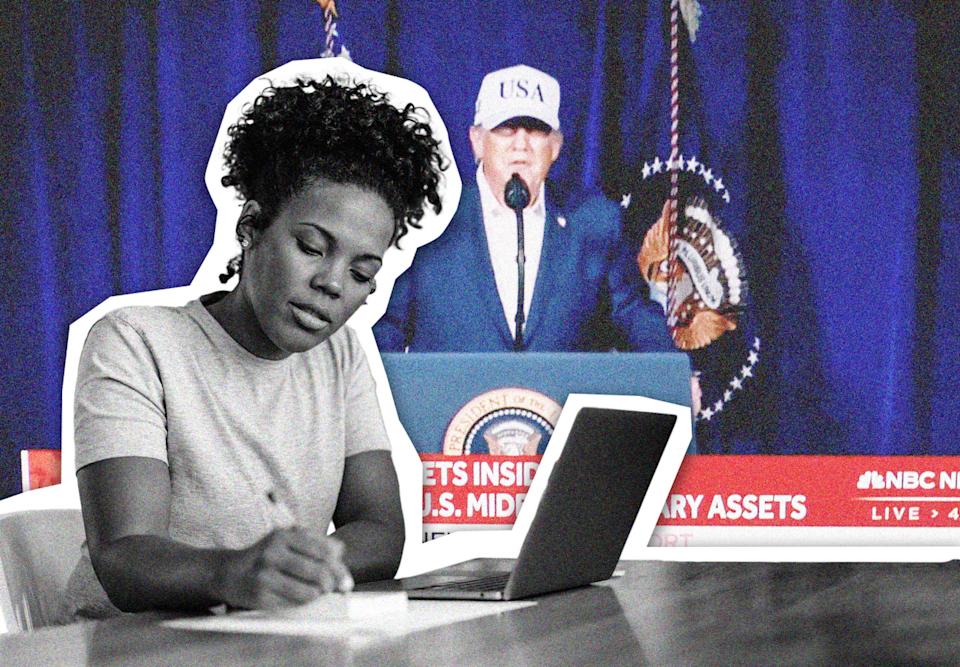
Although there are strategies to manage short-term market swings, financial experts caution against letting global unrest influence your long-term investment or household choices.
Rising Concerns Amid Global Events
The situation in Iran has intensified the list of worries for investors, joining other anxieties such as the effects of artificial intelligence, job stability, and trade policies. These issues are adding to the stress many Americans feel about the economy.
At the start of the week, oil and gas prices jumped sharply, as did gold. The S&P 500 initially dropped over 1% before rebounding and closing higher, but by the following morning, futures were down again as fears of conflict continued to weigh on the market.
How Uncertainty Is Affecting Investors
Many people are feeling the effects of ongoing instability, which has dampened consumer confidence. According to the Conference Board, confidence remains well below its late 2024 peak.
Financial advisers recommend that, despite the current uncertainty, most people should continue following their established financial plans rather than making sudden changes.
“Don’t let global events push you into making hasty decisions with your investments or household finances,” advises Jon Ulin of Ulin & Co. Wealth Management. He emphasizes that uncertainty shouldn’t cause you to put your life on hold or spend beyond your means.
Spotting Opportunities in Volatile Markets
Some investors see market downturns as a chance to buy. “I’m keeping some cash ready to invest if the market drops,” says Josh Kinser, an individual investor from Texas. He isn’t altering his long-term approach but is watching for opportunities to add to his holdings if prices fall.
Advisers note that while most people should stick to their plans, those who closely monitor the markets might find ways to benefit from short-term volatility.
Consider Roth Conversions During Market Declines
Robert Jeter, founder of Back Bay Financial Planning & Investments, suggests that while it’s usually best to wait until year-end for Roth conversions, doing them during a market dip allows you to transfer more shares at the same tax cost. If the market were to drop significantly, he recommends converting a substantial portion of your planned amount to take advantage of lower prices.
Preparing for Opportunities and Staying the Course
Keep Extra Cash Ready and Stick to Your Plan
Scott Bishop of Presidio Wealth Partners recommends maintaining an emergency fund—six months’ expenses for those with stable jobs, and a year’s worth for those with less job security. If you have additional cash, a market downturn could be a good time to invest more, as long as you have a plan in place ahead of time.
He suggests using new cash to rebalance your portfolio toward your target allocation. For those willing to take on more risk, this could be a chance to invest in sectors or assets that have recently declined, such as certain tech stocks or bitcoin. However, if volatility makes you uneasy, you can adjust your portfolio to be more defensive without moving entirely to cash.
JPMorgan Chase analysts note that the current conflict could present a buying opportunity for long-term investors. While gold is often seen as a safe haven, Larry Luxenberg of Lexington Avenue Capital Management points out that all investments carry risk, and he generally favors a diversified stock portfolio even during turbulent times.
Rather than making concentrated bets, Ulin recommends reviewing your portfolio’s performance and making adjustments as needed in light of recent events.
Be Cautious with Major Purchases During Uncertainty
Ulin warns that heightened geopolitical risks can prompt some investors to make impulsive decisions, such as taking on debt for expensive purchases or speculative investments. He advises pausing on big-ticket buys that rely on optimistic assumptions, like stretching for a pricier home, using adjustable-rate mortgages for renovations, or financing extra vehicles that could strain your budget.
However, if you’ve already saved for a major purchase and it fits your financial plan, global tensions alone shouldn’t stop you from moving forward. “Uncertainty isn’t a reason to put your life on hold,” Ulin says.
Disclaimer: The content of this article solely reflects the author's opinion and does not represent the platform in any capacity. This article is not intended to serve as a reference for making investment decisions.
You may also like
Inflation in the eurozone rises and oil prices put pressure on the ECB.

XRP price retests range lows as open interest crashes 70% — volatility expansion next?
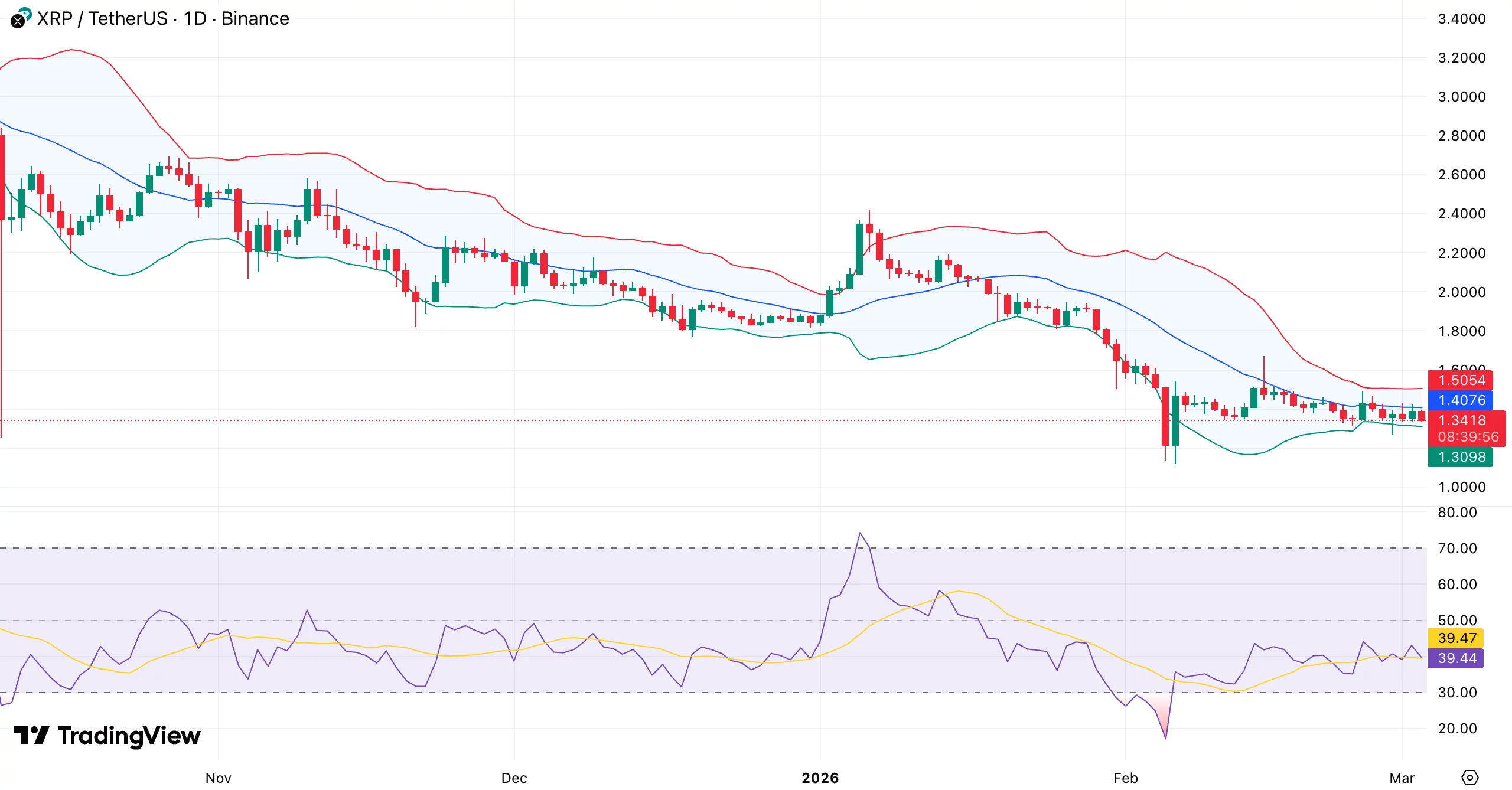
XRP price retests range lows as open interest crashes 70% — volatility expansion next?
Is Chubb’s Strong Earnings and Robust Cash Flow Supporting Its Dividend Increases?
Trending news
MoreCrypto prices
More





